
Vehicle owners are increasingly converting their petrol and diesel cars to run on liquefied petroleum gas (LPG) or compressed natural gas (CNG).
The reason is simple: lower fuel costs, longer engine life, cleaner emissions, and growing refuelling infrastructure.
However, this switch means vehicle owners must plan carefully, use certified kits, and comply with local regulations.
How to Switch to LPG
Fuel Options and Benefits
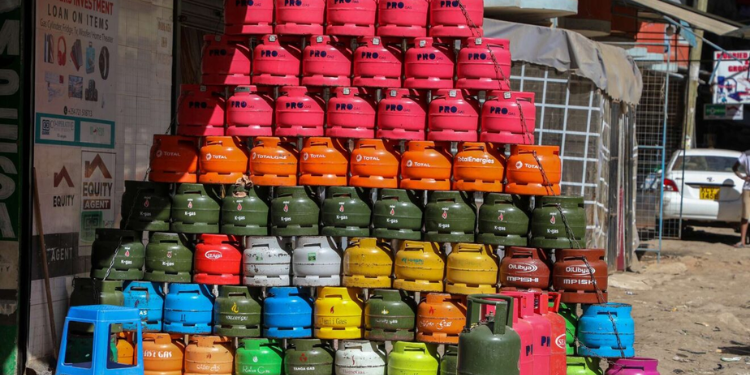
LPG, a blend of propane and butane, is widely used for petrol-engine conversions.
It sells at roughly 50% less per litre than petrol, with vehicle owners reporting up to 50% in fuel cost savings and 40% lower greenhouse gas emissions.
In Kenya, a litre of LPG is retailing between Ksh95 and Ksh115 in Nairobi, compared to Ksh184.52 and Ksh171.47 per litre for petrol and diesel, respectively.
Meanwhile, CNG, mainly methane, works for both petrol and diesel engines when paired with dual-fuel technology.
Both options burn cleaner, reducing CO₂, Nitrogen Oxides (NOₓ), and particulate emissions.
Types of Conversions
Petrol to LPG/CNG (bi‑fuel systems)
Petrol engines are the easiest to convert to gas.
The process involves installing a separate LPG or CNG tank, usually in the boot or underbody, along with a pressure regulator, gas injectors or mixer, and an electronic control unit (ECU).
A fuel selector switch allows drivers to toggle between petrol and gas.
Indirect injection engines require simpler kits, while direct injection engines need additional high-pressure injectors and cooling systems.
Also Read: Why M-PESA Till Numbers at Petrol Stations Charge More Than Standard Rates
After installation, the ECU is calibrated for optimal air-fuel ratios, ensuring smooth performance in both modes.
Conversions maintain the original petrol system, offering flexibility and extended range.
Diesel to Dual-Fuel (Diesel + CNG)
Diesel engines cannot run on CNG alone because gas does not ignite without a compression-ignition source.
Conversions use a dual-fuel system where diesel remains the pilot fuel, and CNG is introduced into the intake air stream.
This reduces diesel consumption by 30–70%, lowering fuel costs and emissions.
The system includes a CNG cylinder, pressure regulator, gas injectors, ECU, and sensors to manage the gas–diesel ratio.
Installation requires calibration for load and speed conditions to prevent knocking and maintain efficiency.
Dual-fuel setups preserve the original diesel system, allowing operation on diesel only if gas is unavailable.
Installation and Certification
Conversion begins with a full engine assessment to confirm compatibility with LPG or CNG systems.
Vehicles that are to be converted to LPG must attain all the qualifications in line with ECE/UN R-115.
This regulation states that only cars with gas engines that comply with Euro 3 or later emissions regulations may opt for conversion.
Certified technicians then mount the gas cylinder in the boot or underbody, install high-pressure lines, a regulator or vaporizer, injectors or mixer, and an electronic control unit (ECU).
Also Read: Big Win for Ruto as Kenya Secures Zero-Duty Access Deal with China
Wiring connects the ECU to the vehicle’s sensors and the dashboard fuel selector switch.
After hardware installation, calibration is critical.
Technicians program the ECU to maintain the correct air–fuel ratio, prevent knocking, and ensure smooth transitions between petrol/diesel and gas.
The process ends with leak testing, road trials, and an official inspection to ensure compliance with safety and emission standards.
Costs and Savings
Petrol-to-LPG conversions typically cost between Ksh200,000 and Ksh =270,000, depending on engine type and kit complexity.
Diesel dual-fuel systems are more expensive due to additional components and calibration requirements.
Despite the upfront expense, savings are substantial: LPG costs about 50% less per litre than petrol, and CNG can cut diesel consumption by 30–70%.
For high-mileage drivers, payback periods range from several months to two years.
Annual fuel savings often exceed Ksh80,000, and reduced maintenance costs add further value. Lower emissions also help meet regulatory standards, avoid penalties, and support sustainability goals.
Follow our WhatsApp Channel and X Account for real-time news updates.