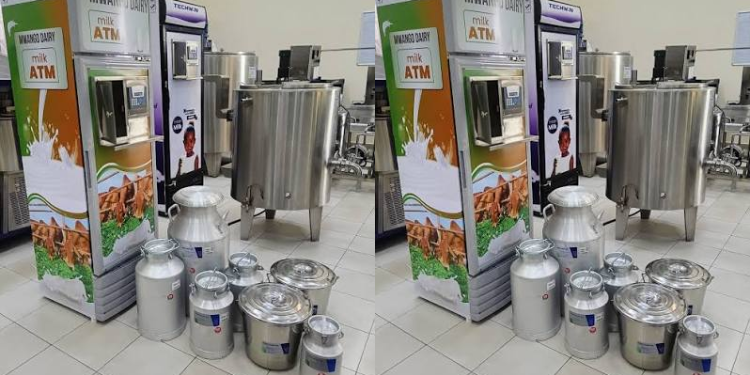
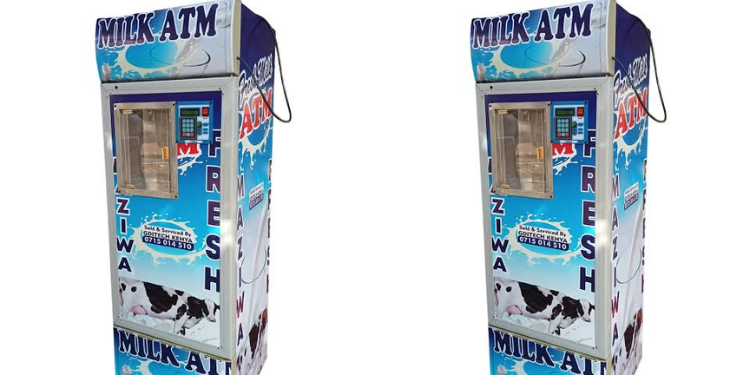
Entrepreneurs planning to operate milk ATMs in Kenya must obtain several approvals before opening their outlets to the public.
According to the Dairy Industry (Registration, Licensing, Cess and Levy) Regulations, milk businesses must obtain the necessary county approval before commencing operations.
Under the regulations:
“A person shall not carry on the business of a dairy business operator unless the person has a valid dairy business licence from the relevant county government.”
For milk ATM operators, the key approvals include a Kenya Dairy Board (KDB) license, a county Single Business Permit, and public health clearance. Individuals handling milk may also need valid food handler medical certificates.
These requirements are designed to ensure that milk vending premises meet the required hygiene standards, the equipment used is suitable for food handling, and milk sold to consumers is sourced from approved suppliers.
All You Need to Know About the Milk ATM KDB Licence
The Kenya Dairy Board regulates businesses involved in handling and selling milk and requires milk dispensing outlets to obtain the relevant licence.
During the licensing process, KDB assesses the business registration documents, premises, equipment, water supply, drainage, and hygiene arrangements.
The milk ATM should be made from food-grade material, be easy to clean, and be used for pasteurized milk. Operators are also expected to source milk from licensed processors or farmers and maintain records of their purchases.
Applicants can register through the KDB online licensing portal and apply for the relevant milk dispenser or mini dairy licence.
KDB may then inspect the premises before the applicant is required to pay the applicable licence fee and obtain the licence.
Fees for small-scale milk dispensing units range from about KSh5,000 to KSh10,000 annually, although some smaller operators may fall under lower fee categories. The exact amount depends on the applicable licence category and other regulatory considerations.
Also Read: Kenyatta Family and Other Billionaires Behind Kenya’s Biggest Milk Brands
County Business Permit
Milk ATM operators must also obtain a Single Business Permit from the county government where their businesses are located.
The application can be made through the relevant county revenue office or online platform where available.
Applicants may need to provide business registration documents, KRA PIN, identification documents, and proof of ownership or occupation of the premises.
The business may be classified as a milk bar, dairy retail outlet or milk dispensing unit, depending on the county’s classification.
The cost varies from one county to another and may also depend on the location and size of the business. The fees range from about KSh5,000.
Also Read: Milk Shortage Sparks Panic Buying Among Kenyans as Govt Unveils Steps to Avert Crisis
Public Health Clearance
Before opening a milk ATM outlet, operators must ensure that the premises meet applicable public health and food safety requirements.
A public health officer may inspect the premises to check the condition of floors and walls, drainage, ventilation, lighting, water supply, handwashing facilities, pest control, and food handling areas.
Operators may also be required to obtain food handler medical certificates for themselves and employees who handle milk.
Public health clearance for the premises may cost about KSh2,000 to KSh5,000, while food handler medical certificates may cost approximately KSh3,000 to KSh6,000 per person, depending on the county and facility.
Follow our WhatsApp Channel and X Account for real-time news updates.