Construction sites rely on a variety of Personal Protective Equipment (PPE) to protect workers from hazards such as falling objects, dust, noise, sharp materials, and working at height.
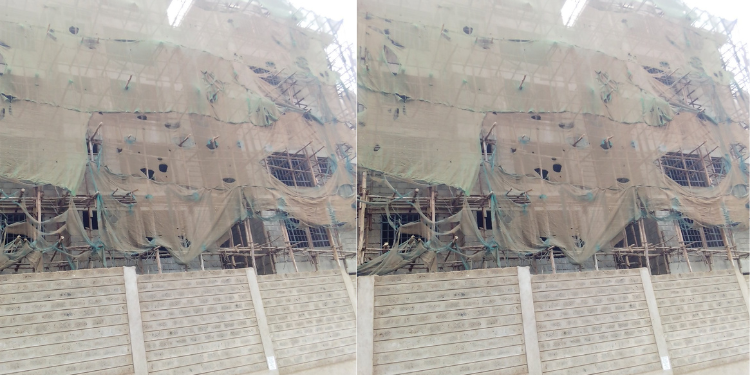
Across cities, construction sites are seen wrapped in green mesh or net, especially on multi-story buildings.
The use of construction netting is a standard safety feature in modern building projects, particularly in urban areas where structures are close to pedestrians, traffic, and other buildings.
The material is designed to reduce risks associated with ongoing construction activities while maintaining a controlled and safer environment both inside and outside the site.
Protection Against Falling Objects and Site Hazards
During construction, materials such as stones, nails, tools, and concrete fragments can accidentally fall from high floors.
Also Read: Court Explains Why You Can Lose Registered Land in Kenya Even with a Valid Title Deed
Even small objects, when dropped from high buildings, can cause serious harm to pedestrians, vehicles, or workers below.
The net serves as a protective barrier to contain such materials within the construction zone. In many cases, debris that would otherwise fall outside the building perimeter is caught or slowed down by the mesh structure.
Dust Control and Environmental Management
Construction activities generate large amounts of fine dust and soil particles, especially during excavation, drilling, and demolition work.
Without containment measures, this dust easily spreads to surrounding residential and commercial areas, affecting air quality and causing discomfort to nearby communities.
The mesh netting helps reduce the spread of dust by acting as a partial barrier against wind and airborne particles.
While it does not eliminate dust emissions, it minimizes their impact.
Visibility, Safety Awareness, and Site Screening
Green construction netting also serves an important role in visibility and safety communication.
Brightly colored mesh materials, especially green and blue, are used because they are easily noticeable from a distance.
This alerts pedestrians and motorists that construction work is ongoing and that caution is required when passing by.
It also provides a degree of psychological comfort by reducing the exposure of workers to external distractions, especially for workers who fear heights.
The choice of green is intended to balance visibility and availability. The material itself, high-density polyethylene (HDPE), is selected for its strength, durability, and weather resistance.
Also Read: Meaning of Different Diplomatic Number Plates Used in Kenya
Other Site Construction PPEs
When visiting a construction site, workers and visitors are required to wear several pieces of PPE to ensure safety and reduce the risk of injury.
- Safety goggles and face shields
- Respiratory Protection
- Dust masks and respirators
- Hand Protection Gloves
- Safety boots (steel-toe boots)
- Reflective vests or jackets
- Earplugs or earmuffs
Hemet at Construction sites and their Symbolic Meaning
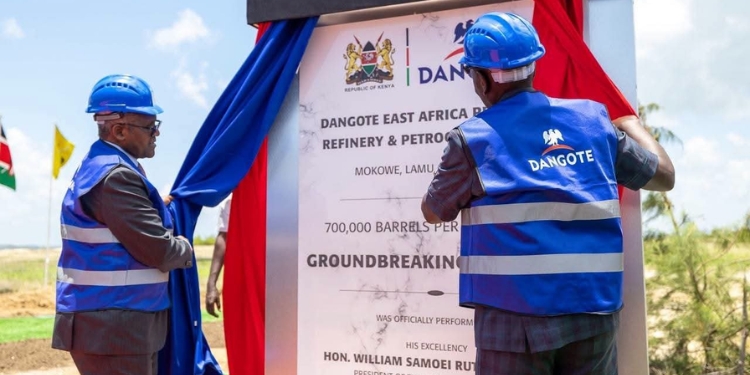
Helmet colors on construction sites are often used as a quick visual system to identify roles, responsibilities, and levels of authority.
- Yellow – worn by general laborers and earth-moving operators
- White – Usually reserved for engineers, architects, site managers, supervisors, and site visitors
- Blue – Worn by skilled tradespeople such as electricians, carpenters, and technicians. In some sites, it may also be used for interns
- Green – Used for safety officers, first aid personnel, or new trainees
- Red- Assigned to fire marshals, emergency personnel, or safety response teams
- Orange – Worn by road crews, signalers, or workers involved in high-risk operations, especially where high visibility is critical
- Brown – Used by welders or workers exposed to high-heat tasks
- Black – Associated with site supervisors or foremen