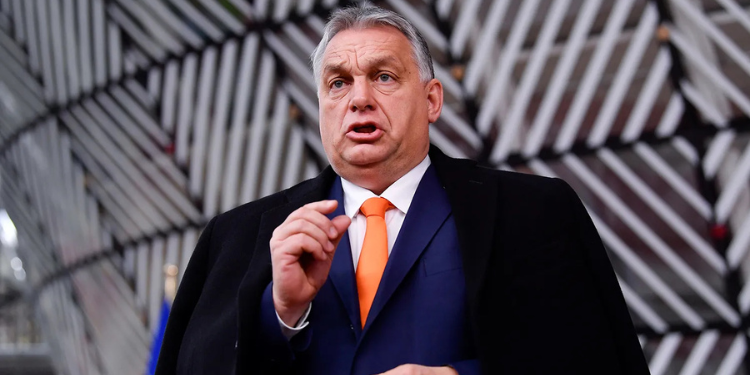
Prime Minister Viktor Orbán conceded defeat in Hungary’s parliamentary election on Sunday, April 12th, after 16 years in office. Opposition leader Péter Magyar, head of the Tisza party, is set to become the next prime minister with a large majority.
With more than 80 percent of votes counted, Tisza held a commanding lead and was on track to secure at least 137 seats in the 199-seat parliament.
Orbán made the concession in a speech to supporters at Fidesz party headquarters in Budapest. He told them the result was “clear and painful” and that he had called Magyar to congratulate him.
Orbán said Fidesz had received votes from around 2.5 million people and added: “We never give up.”
Hungarians Turn Out
Record numbers of Hungarians voted, with turnout reaching nearly 78 percent before polls closed, the highest in the post-communist era. Many voters cast ballots abroad or away from their registered addresses.
These will be counted in the coming days, but officials said they would not change the clear outcome.
Magyar, a former Orbán ally who broke with Fidesz two years ago, built a broad coalition that included former opposition voters and some who had supported Fidesz in 2022.
Also Read: Why Hungary Was Chosen to Host Putin–Trump Talks in Budapest- Expert
His party focused on domestic problems such as the economy, healthcare and education. Tisza is on course for a two-thirds majority, which would allow it to change the constitution.
Orbán Concedes as Supporters React
Orbán appeared with senior Fidesz members who looked downcast. He told supporters their next task was to rebuild party structures at the local level and “heal our wounds.” Celebrations broke out on the banks of the Danube near Tisza headquarters, where party workers hugged and crowds gathered.
Early counting showed Tisza leading in most constituencies, particularly in larger cities and western districts. Fidesz performed better in smaller towns and villages, but the gap proved too wide to close.
A far-right party, Our Homeland, appeared close to the 5 percent threshold for seats but trailed far behind the two main parties.
Magyar said Orbán had telephoned him to concede. In a Facebook post, he wrote: “Viktor Orbán just called me on the phone and congratulated us on our victory.” Magyar had campaigned on closer European Union ties and measures against corruption.
Also Read: Hungarian Lawmakers Vote to Quit ICC
Why this matters
The vote ends 16 years of continuous Fidesz rule during which Orbán reshaped Hungarian institutions, including the constitution, media and judiciary. A Tisza government with a two-thirds majority would gain the power to reverse some of those changes.
The result also shifts Hungary’s position in Europe. Orbán had often blocked EU decisions on issues including migration and support for Ukraine. The new government has promised a different approach.
Turnout and the scale of the defeat show many Hungarians wanted change after years of economic pressures and political division. Final certified results will come in the coming days or weeks.