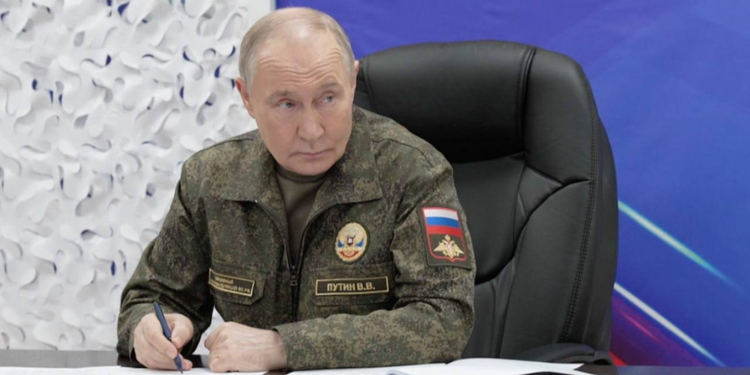
The Orthodox Easter truce between Russia and Ukraine collapsed almost immediately this weekend, as Moscow continued drone strikes despite President Vladimir Putin’s declaration of a 32‑hour ceasefire.
Ukrainian officials on Saturday, April 11, reported civilian casualties and damage to infrastructure, casting doubt on the sincerity of Russia’s gesture.
On Thursday, Putin ordered Russian forces to halt hostilities from 4:00 p.m. Saturday until the end of Sunday, describing the pause as a humanitarian measure.
Kremlin spokesman Dmitry Peskov framed the move as a goodwill gesture, while insisting Moscow remained committed to a “comprehensive settlement” based on its longstanding demands.
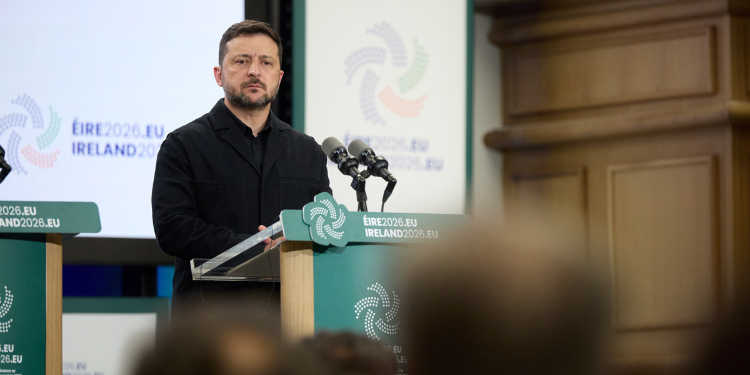
Ukraine’s President Volodymyr Zelenskyy responded cautiously, promising to abide by the truce while warning of swift retaliation if violations occurred.
“Easter should be a time of silence and safety,” he wrote online. “A ceasefire at Easter could also become the beginning of a real movement toward peace. But we all understand who we are dealing with.”
Russia-Ukraine ceasefire violations begin immediately
Hours before the ceasefire was due to begin, Russia launched at least 160 drones across Ukraine, according to the Ukrainian Air Force.
Authorities said 133 were intercepted, but several struck residential areas. In Odesa, two people were killed, and a kindergarten was damaged. Additional casualties were reported in eastern regions.
Serhii Kolesnychenko, a communications officer with Ukraine’s 148th Separate Artillery Brigade, said artillery fire had paused in his sector, but drone attacks continued.
“The ceasefire is not being observed by the Russian side,” he told the Associated Press. Ukrainian forces, he added, were responding “silence to silence and fire to fire.”
Russian‑installed officials in occupied Donetsk and Kherson claimed Ukrainian drones killed four people in retaliatory strikes, underscoring the tit‑for‑tat nature of the conflict even during religious holidays.
Also Read: Zelenskyy Outlines Three Indicators That Show Putin Wants to Continue With War
The ceasefire coincided with Orthodox Easter, a holiday traditionally marked by family gatherings and church services.
Many Ukrainians had hoped for a brief respite from the war. Ahead of the ceasefire, both Kyiv and Moscow confirmed prisoner swaps, which remain among the few tangible outcomes of the negotiations.
On Saturday, 175 Russian soldiers were returned home, while Ukraine welcomed back 175 service members and seven civilians, many held since 2022. Zelenskyy hailed the exchange as a rare success.
Sanctions and diplomacy
Meanwhile, Russian Deputy Foreign Minister Dmitry Lyubinsky earlier this week denounced Western sanctions as “unlawful acts of aggression” and a “modern form of colonial policy.”
While speaking in Geneva, he argued that restrictions outside the UN framework harm ordinary citizens by blocking access to food and medicine.
Moscow, facing more than 30,000 sanctions, has sought to build alliances with countries such as Belarus, Iran, and Cuba to counter economic isolation.
Lyubinsky claimed sanctions had failed to weaken Russia, instead consolidating society and spurring adaptation.
Also Read: Zelenskyy Sets Ceasefire Conditions, Vows Equal Response If Russia Strikes
Reports also surfaced this week that Putin’s envoy, Kirill Dmitriev, was in the United States for talks with members of President Donald Trump’s administration, ahead of a decision on whether to extend sanctions relief on Russian oil.
UK‑Russia tensions
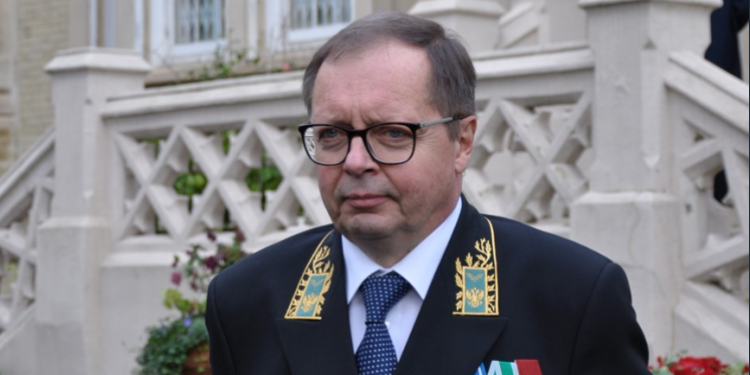
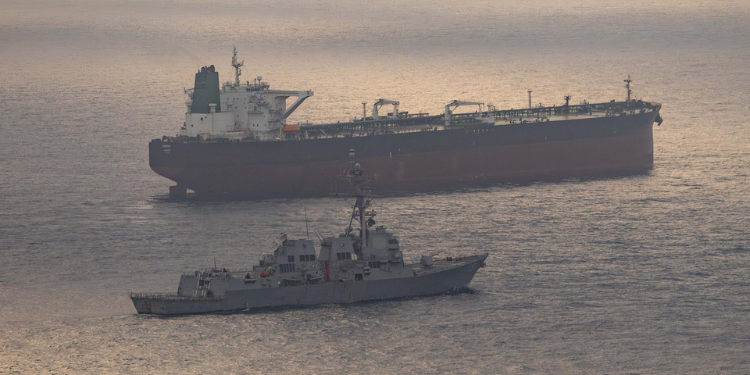
The ceasefire also coincided with renewed friction between Moscow and London. Russia’s embassy in the UK dismissed claims by Defense Secretary John Healey that Britain repelled a Russian submarine in the North Atlantic.
The embassy accused London of “extremely aggressive statements” against Russian merchant shipping and warned of consequences if threats were carried out.
Further, the statement recalled Western responsibility for the sabotage of the Nord Stream pipeline and insisted that Russia does not target undersea infrastructure.