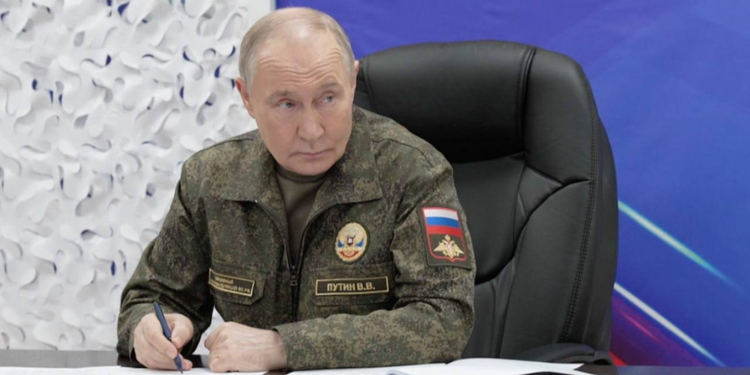
Following new U.S. restrictions on the Venezuelan oil sector that exclude Russian and Chinese entities from key transactions, the Kremlin has signalled a shift toward diplomatic engagement with President Donald Trump.
The U.S. Treasury Department issued a general licence to facilitate oil and gas exploration in Venezuela but barred Russian and Chinese participation, prompting a formal response from Moscow.
Kremlin spokesperson Dmitry Peskov confirmed that Russia has investments in Venezuela, long-term projects, and interest from both our Venezuelan partners and us, and stated that Moscow plans to seek clarification from the United States through established channels of communication.
“We have our investments in Venezuela, and we have our long-term projects with our Venezuelan partners. We will discuss this situation with Americans,” the Kremlin Spokesperson Peskov said.
He stressed that this dialogue is necessary to address the impact of the new restrictions and to protect Russia’s economic ties in the region.
Russia Seeks Direct Talks With Trump After Venezuela Oil Ban
Russia responded to new Trump restrictions that bar Russian and Chinese involvement in Venezuela’s oil sector by signalling a shift to formal diplomatic engagement with Washington.
Kremlin spokesperson Dmitry Peskov confirmed that Moscow has significant investments and long-term energy projects in Venezuela valued at around $600 million and said the situation would be discussed through established channels of communication with the United States.
Peskov outlined Russia’s commitment to its Venezuelan partnerships and the importance of clarifying how the U.S. measures will affect those investments.
Also Read: Russia Rejects Trumps Trade-Based Approach to Resolving Ukraine War
“We do indeed have investments in Venezuela, we have long-term projects, and there is interest both from our Venezuelan partners and from us. Therefore, all of this is a reason to discuss the situation with the Americans,” he said.
Peskov stressed that formal state-to-state dialogue is essential for resolving such diplomatic and economic disagreements, rejecting informal methods for official communication.
He dismissed the notion that frontline government issues could be addressed through messaging platforms such as Telegram, calling them impractical for substantive talks.
“I don’t think it’s possible to imagine that frontline communications are being maintained via Telegram or any other messenger. It’s hard to imagine, and it’s simply impossible,” he said.
Trump’s Venezuela Oil Ban for Russia
The US, under the Trump administration, imposed a strict blockade and sanctions regime on Venezuelan oil exports starting in late 2025.
Also Read: Trump Signals Military Deployment Amid Iran Tensions
This included naval seizures of tankers (some Russian-flagged or linked) attempting to export Venezuelan crude in violation of U.S. rules.
This effectively halted most Venezuelan oil exports initially, causing storage backups and production adjustments.
Later, Trump, through the U.S. Treasury’s Office of Foreign Assets Control (OFAC) issued new General Licenses to authorise certain activities in Venezuela’s oil and gas sector. These allow:
- U.S. and select established companies to engage in exploration, production, supply of goods/technology, trading, export/reexport, and related transactions involving Venezuelan-origin oil, PdVSA (Venezuela’s state oil company), and the government.
- A gradual recovery of Venezuelan oil production (projected to return to pre-blockade levels of ~1.1–1.2 million barrels per day by mid-2026).
Follow our WhatsApp Channel and X Account for real-time news updates.