At 88% completion, Talanta Stadium has entered a decisive phase, one shaped as much by urgency as by ambition, as Kenya prepares to co-host the 2027 Africa Cup of Nations with Uganda and Tanzania.
The project, now racing against revised timelines after missing its March 2026 target and incorporating additional recommendations from the Confederation of African Football (CAF), is moving into its final stretch.
During a recent inspection, Defence Cabinet Secretary Soipan Tuya confirmed that the stadium’s core structure, including the façade and PTFE roof, is complete.
The project has also emerged as a model of inter-ministerial coordination, with the Kenya Defence Forces, under the Ministry of Defence, leading construction in close collaboration with the Ministry of Sports.
Supporting this effort is a coordinated multi-ministry and agency framework delivering critical infrastructure to the site. The Ministry of Roads is overseeing the development of key access routes to the stadium.
Also Read: The Rise of a Landmark; Talanta Stadium at 87% (PHOTOS)
Plans include the expansion of Ngong Road to accommodate increased traffic volumes, alongside the construction of key link roads connecting the stadium to the Southern Bypass, which will also serve as an alternative evacuation route.
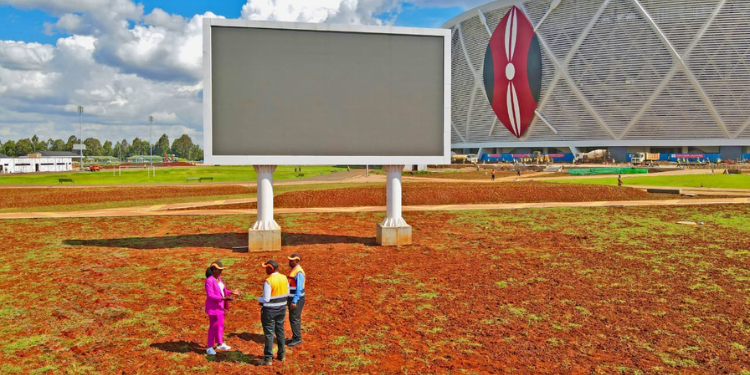
Meanwhile, the Ministry of Information and Communication Technology (ICT) is driving the installation of digital infrastructure, including internet connectivity, critical sports technology, and essential features such as LED advertising screens and fan zone mega screens. The Ministry of Energy is ensuring a reliable power supply.
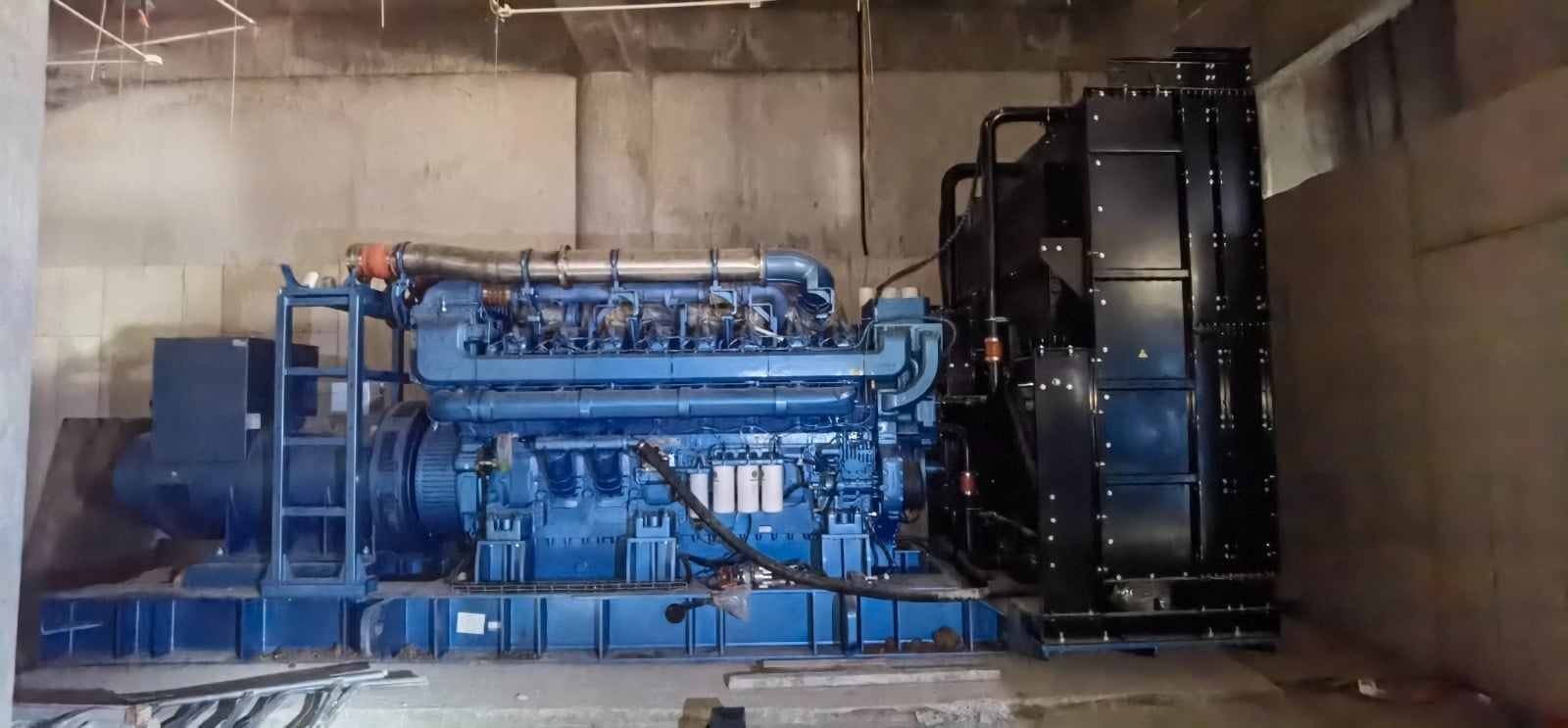
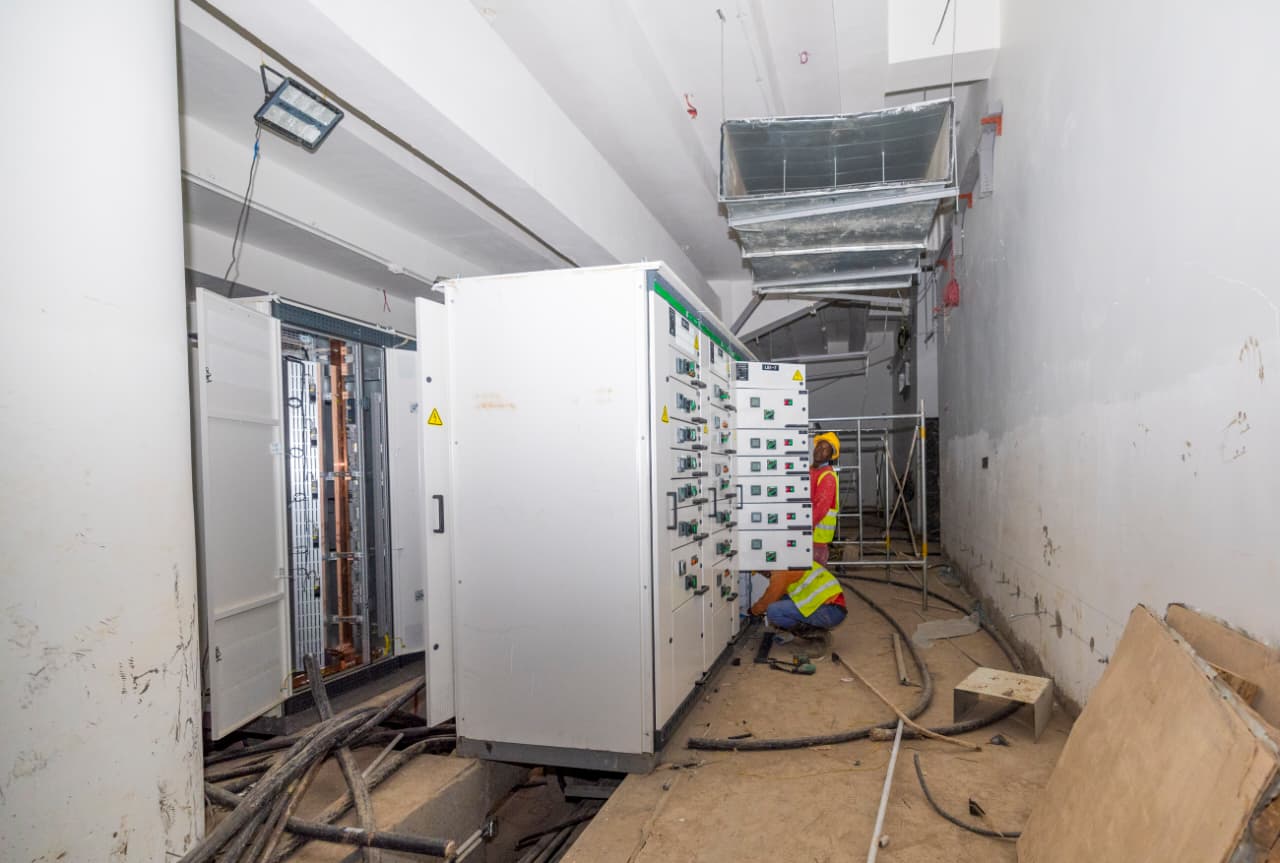
“We have backup generators in place already, as well as water systems. One of the key infrastructure components that the Ministry of Energy is set to put in place is a substation, so that we have a sufficient and stable power supply, fully supported by a backup generator system,” Tuya said while addressing the media at the eastern gate of the stadium.
An uninterrupted and steady water supply to the world-class sports facility is a priority for the Ministry of Water, Sanitation and Irrigation. Reservoir tanks are already in place, even as grass seeding on the pitch is set to begin.
“At the moment, the pitch is fully formed and ready for grass planting. According to CAF standards, the turf will be grown from scratch through seeding, which will take about three months for the grass to fully establish. This is the final major phase of the project, and within the next three months, the grass will be ready and the stadium will be fully operational,” the Defence Cabinet Secretary noted.
She further indicated that Talanta Stadium is, by design, a football and rugby only facility, with no running track, allowing for a closer, more engaging matchday experience. At the same time, she emphasised that the needs of athletes have been fully catered for. “We have deliberately integrated a dedicated athletics training pitch within the complex to support wider sports development,” she said.
Also Read: IShowSpeed Fly-Over Puts Talanta Stadium at the Heart of Kenya’s New Identity
The complex includes three auxiliary training pitches, two of which incorporate running tracks, with the main training pitch featuring an eight-lane track. A mini stadium, complete with a grandstand with a seating capacity of 1,500 spectators. The third training pitch will primarily serve football and rugby.
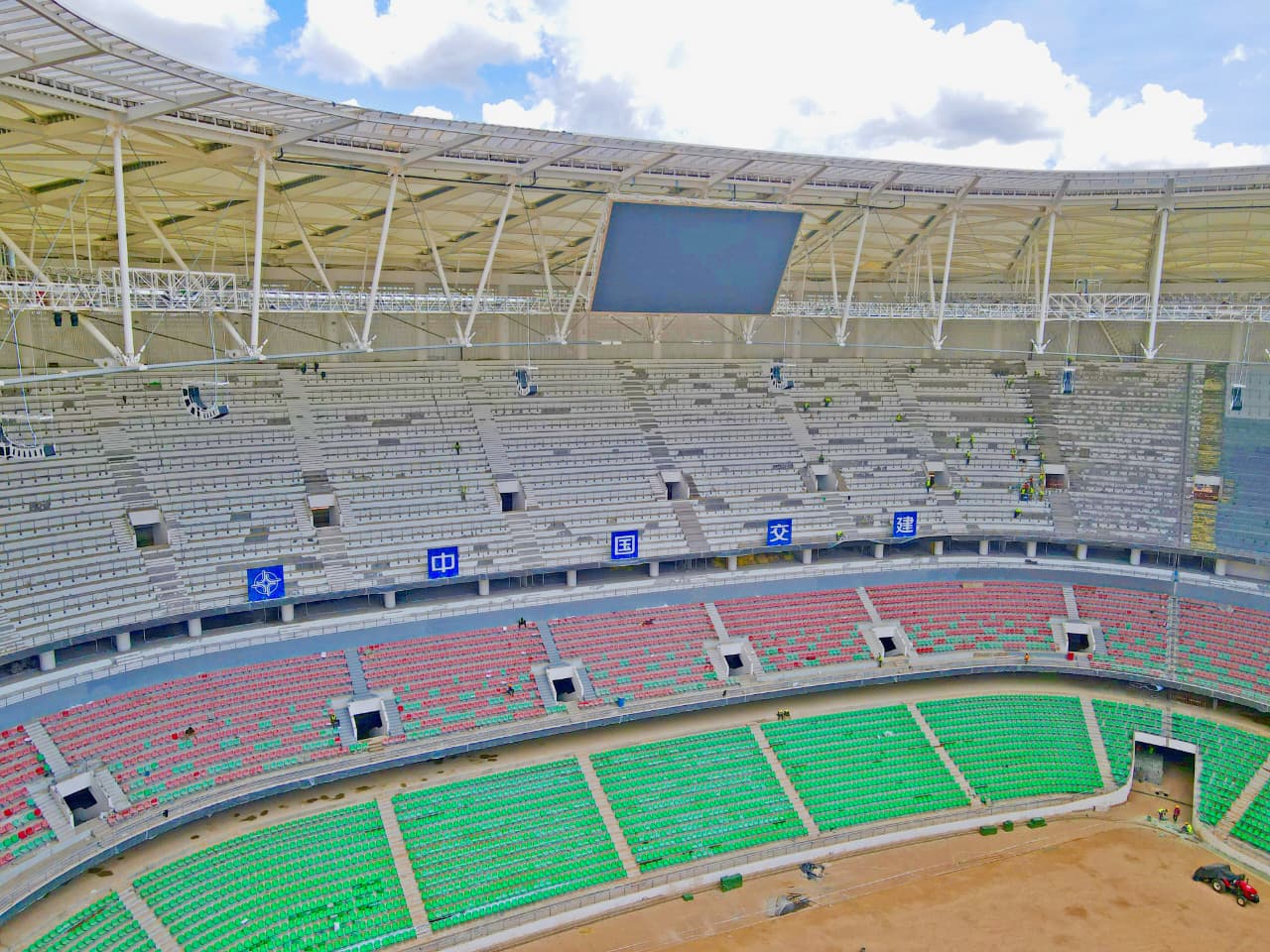
She added that key features are at advanced stages of completion, with seating installation now about 60% done. The the mobility facilities and sound system , which are being tested for safety and efficiency. “The seating is progressing well, with multiple layers already in place and the skyboxes fully installed,” she stated.
The CS further underscored the symbolic design of the facility, “You can not help but feel a surge of pride getting to you as you walk into Talanta Stadium, the eight shields around the stadium symbolize the entrances and it just carries this spirit of being a proud Kenyan”