Elderly people tend to experience constant health issues due to declining immunity and vital functions. While there are multiple issues amongst the geriatric population, accidental falls are a major concern. It can lead to a decline in your quality of life and be the cause of long-standing locomotory disabilities.
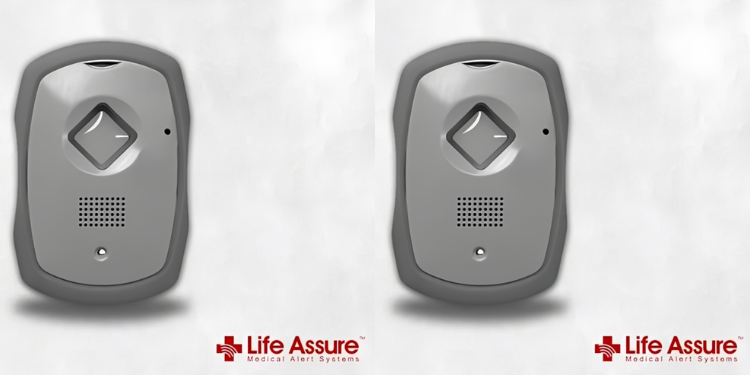
In such cases, investing in medical alert systems equipped with fall-detection features can make a huge difference. It helps detect falls and prevent severe injuries, especially in old age.
Here’s a complete breakdown of how intelligent fall detection features for older adults can help promote health and well-being.
Understanding Intelligent Fall Detection Features
Before understanding the importance of fall detection devices for the elderly, it’s crucial to comprehend the basics of this feature.
Fall detection is an essential feature for medical alert devices and wearable systems designed for individuals prone to accidents and injuries. Such technology automatically identifies changes in the movement and orientation of individuals.
Furthermore, the devices detect falls and automatically trigger an automatic response to the monitoring services without requiring manual input. While the traditional emergency devices require manual pressing of the emergency button, the fall detection features help prevent severe damage and ensure help during times of adversity.
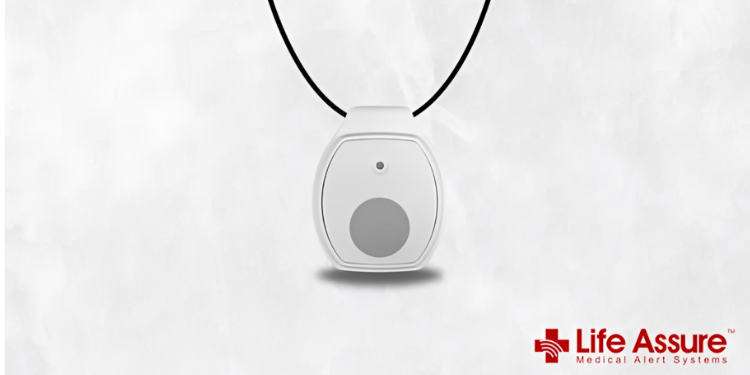
Such a feature can help older adults, especially in preventing accidents and falls, either at home or outside of their residence. Most modern fall detection features come with an amalgamation of different specifications. It combines movement patterns, shifts in orientation, and the impact of force to classify and distinguish falls from normal activities in your household. Moreover, you can consider older adults fall alert devices, including wristbands or pendants, to ensure long-term safety and round-the-clock monitoring for falls.
Core Sensors Embedded In Fall Detection Systems
Did you know that most fall detection devices come with multiple sensors to detect accidents and falls across different dimensions?
1. Accelerometers
One of the most common core sensors, i.e., accelerometers, helps detect the shifts in movement and speed of an individual across diverse dimensions. Most fall detection devices come equipped with accelerometers and accurately detect falls. Moreover, it identifies sudden acceleration followed by prolonged inactivity, categorizing it as a fall. Such features enable the device to identify and initiate help for the long-term safety and well-being of older adults.
2. Gyroscopes
Another sensor that uses gyroscopes the detect an individual’s orientation and angular velocity. Most fall detection devices combine the insights from accelerometers with the data from gyroscopes to correctly identify adverse incidents, such as falls. The gyroscope helps determine the body posture changes and can assess a rapid transition from one position to another. As a result, it improves the ability of medical alert systems to differentiate between a fall and routine movements involving a fast pace or walking.
3. Barometric Sensors
A few medical alert devices equipped with fall-detection capabilities might use barometric pressure sensors to enhance fall-detection precision. This device adds an additional layer of safety and helps detect rapid changes in an individual’s altitude. As a result, it can detect a fall from a standing position to the floor, thereby initiating communication with the monitoring systems for the necessary help.
Common Fall Detection Features For Older Adults
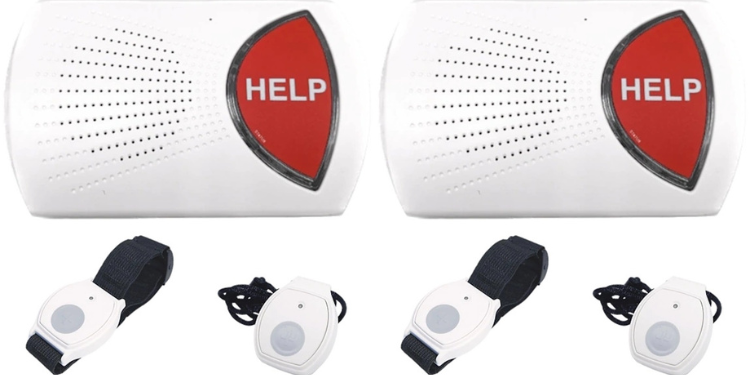
Most medical alert devices come with fall detection features that help initiate communication with the service centers and caregivers of the individual. It combines fall-specific features, including automatic emergency response mechanisms, location tracking, and integration with smart home systems to get the required help during emergencies.
1. Automatic Emergency Alert Systems
One of the most important features of a fall detection device is automatic alert and emergency response mechanisms. Whenever the device detects an accident or a fall, it triggers a tiered response to provide the necessary assistance. Firstly, the device provides an alert and prompts the individual to cancel the alert if no response or safety is required.
Furthermore, the device initiates communication with the monitoring service or emergency contacts in case the user fails to cancel the alert. This ensures that the user can seek the required help and reduces the likelihood of unnecessary emergency calls.
2. Location Tracking & GPS Features
Another common feature equipped in fall detection devices is GPS and location tracking. This provides easy access and assistance to older adults. When an accident or fall occurs, the device shares the exact location of the individual to assist in getting to the exact location. Moreover, once emergency responders and caregivers receive the location details, it becomes easier to provide reliable support during times of need.
Such features are particularly useful for elderly individuals who tend to go out for different activities or travel alone. Moreover, it might be beneficial for people with certain neurodegenerative conditions, such as schizophrenia or Alzheimer’s disease. The location tracking feature allows monitoring services to track constant movement and provide preventive services for holistic support to individuals.
Final Verdict
Older adults face extensive health issues, and the risk of falls or accidents imposes a major hurdle in their daily lives. That’s where the intelligent fall detection features emerge to ensure reliable support and safety, especially for individuals living away from their homes. Medical alert devices equipped with intelligent fall detection features can help provide help during adversity and improve the quality of life for individuals.
Moreover, it combines features such as core sensors, artificial intelligence, and automatic alert systems to provide a reliable safety net. Some fall detection features, such as automatic emergency response alerts and GPS tracking, enable monitoring services or caregivers to track the location. As a result, it promotes safety, independence, and self-esteem for the elderly population.