
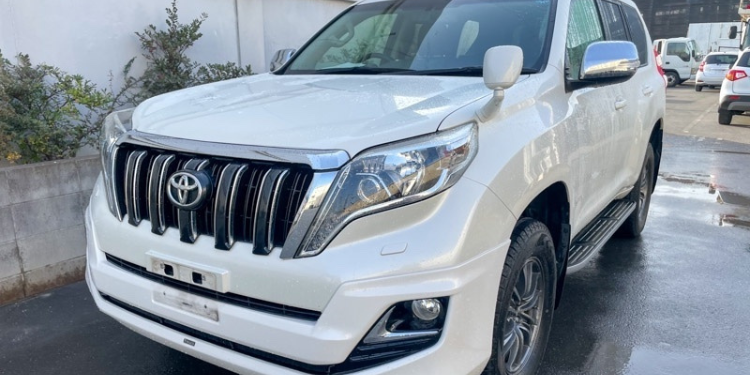
Kenyans are paying an average of KSh573,000 more to buy vehicles than they did two years ago, even as the Toyota Prado retains its position as the country’s most popular used car.
According to the data from online marketplace Jiji Kenya, the average price of vehicles listed on its platform increased from about KSh797,000 in 2024 to KSh1.37 million in 2026.
Despite the increase, nearly half of the vehicles listed on the marketplace are priced below KSh2 million, giving buyers a broad selection across different price ranges.
The Toyota Prado emerged as the most listed vehicle on Jiji, accounting for just over five per cent of all vehicle listings on the platform.
The report says the model continues to attract both buyers and sellers, cementing its position as one of Kenya’s most sought-after used vehicles.
“Among all vehicle listings on Jiji, the Toyota Prado remains the most listed model, accounting for just over 5% of all listings. This underscores its continued popularity among Kenyan buyers and sellers,” the report reads.
Locally Used Cars More Affordable
According to the report, locally used vehicles remain significantly cheaper than foreign-used imports.
The median listing price for locally used vehicles has moved from just under KSh1 million to just over the mark, signaling that KSh1 million has become a new benchmark in Kenya’s used vehicle market.
On average, locally used vehicles are listed at around KSh1.5 million, while foreign-used vehicles have an average listing price of about KSh4.5 million.
Across all vehicle listings on the platform, the average asking price stands at approximately KSh2.5 million, reflecting the broad mix of vehicles available in the market.
Buyers Comparing More Before Purchasing
Jiji says rising prices are encouraging buyers to spend more time researching the market before making a purchase.
Instead of settling for the first vehicle they come across, buyers are increasingly comparing models, prices and locations to determine the best value.
One buyer, identified as Frank, said comparing listings online helped him understand prevailing market prices before making his purchase.
“I had a specific budget, but I didn’t want to rush to buy the first vehicle I found. I compared different models and prices online, which helped me understand what was available in the market and make a more informed decision,” he said.
Also Read: NTSA Mandatory Vehicle Inspection Fees And Rules for Privately Owned Cars, Motorcycles and PSVs
Fuel Prices, Import Taxes Push Up Cost of Ownership
The report attributes part of the shift in buying patterns to the rising cost of owning and maintaining a vehicle.
In June 2026, the maximum retail price of petrol in Nairobi stood at KSh214.03 per litre, while diesel retailed at KSh222.86 per litre, according to the Energy and Petroleum Regulatory Authority (EPRA). The higher fuel prices have made fuel economy a key consideration for many motorists when choosing a vehicle.
The cost of imported used vehicles has also been affected by changes in taxation.
In July 2025, the Kenya Revenue Authority (KRA) introduced a new Current Retail Selling Price (CRSP) schedule for used motor vehicles, which is used to calculate the customs value of imported vehicles.
The revised valuation has increased the import cost of some second-hand vehicles, and influenced their retail prices in the local market.
Also Read: 7 Reliable Cars for Political Campaigns in Kenya
Digital Platforms Reshaping the Market
The report notes that more Kenyans are using online platforms to research prices, compare vehicles, and contact sellers before completing purchases.
“Online communities and content creators are driving interest in vehicle ownership, maintenance, and buying decisions through reviews, comparisons, and ownership experiences across platforms such as TikTok, Instagram, YouTube, and Facebook,” the report said.
According to the Communications Authority of Kenya, the country had 84.1 million mobile subscriptions as of March 2026, with mobile penetration reaching 157.7 per cent.
Speaking on the findings, Jiji Africa Chief Operating Officer Maxim Makarchuk said digital marketplaces are helping buyers make informed decisions by providing access to more vehicle listings and greater price transparency.
He said improved access to information, wider choice and direct connections between buyers and sellers will continue to shape Kenya’s vehicle market as ownership costs continue to rise.
“Vehicle ownership remains deeply embedded in Kenya’s economic and social aspirations. As the market matures, the opportunity doesn’t just stop at selling more vehicles, but making the entire ecosystem more efficient. Improving how people discover, evaluate, exchange, and ultimately unlock value from vehicles,” he said.
“Digital marketplaces are central to this transformation in this category. When we bring greater visibility, choice, and connectivity to the market, we can help ensure that more value remains within the economy and assets continue to serve people productively throughout their lifecycle.”
Follow our WhatsApp Channel and X Account for real-time news updates.