






















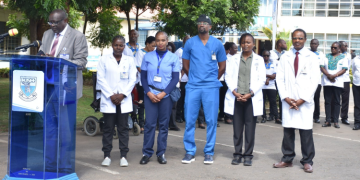


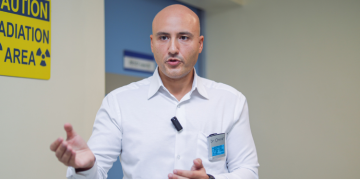












































The Social Health Authority (SHA), in partnership with the Teachers Service Commission (TSC), has launched a nationwide rehabilitation program targeting teachers struggling with alcoholism and substance abuse.
TSC Chairperson Jamleck Muturi announced that affected teachers will be referred to rehabilitation centers under the SHA medical scheme and placed on paid leave during treatment.
“As a commission, we no longer take alcoholism as a social behaviour, but as a disease. We are referring the affected teachers to rehabilitation and paid salary.”
Muturi stated that the program aims to restore teachers’ health and safeguard the quality of education, and that the teachers will undergo counselling for their well-being.
Dedicated Facilities and Priority Care for Alcoholic Teachers
Under the new arrangement, Nakuru County Referral Hospital has established a specialized wing for teachers undergoing rehabilitation.
“We have confirmation from Nakuru County Referral Hospital that a special wing has been designated for the teachers, who will be given priority without delay,” Muturi said.
The facility will provide priority admission and treatment to ensure timely recovery.
After completing rehabilitation, teachers will receive counselling and mental health support to prevent relapse.
He assured that challenges incurred with the SHA cover would be addressed, stressing that teachers can access services in more than 9,000 public, private, and faith-based facilities across the country.
SHA Chief Executive Officer Mercy Mwangangi noted that the program is designed to remove barriers to care.
“Teachers will not face delays or stigma when seeking help. Our goal is to create a supportive environment that promotes recovery and reintegration.”
James Wareru, Medical Superintendent of Nakuru County Referral Hospital, said the transition to SHA was smooth.
“As a hospital, we have dedicated an outpatient clinic for teachers and other public servants under the SHA cover. We are alive to the fact that sometimes they come to the hospital before going back to class, and we are prepared to cater to their demands.”
Expanded Support
Before SHA integration, TSC managed rehabilitation for alcoholic teachers by booking them into treatment centers for three months at the commission’s expense, granting paid leave during recovery.
While effective, the program was limited in capacity and lacked comprehensive mental health follow-up.
The new SHA-TSC partnership formalizes and expands these services under the Social Health Authority’s medical scheme, covering teachers, one spouse, and up to five dependents.
Benefits now include inpatient and outpatient care, counseling, and addiction treatment across more than 9,000 hospitals nationwide, ensuring broader access and continuity of care without financial strain or stigma.
Teachers struggling with alcoholism will be identified through voluntary enrollment or referrals by school administrators.
Each case will undergo medical assessment before admission to rehabilitation centers under the SHA cover.
The program will roll out in phases, starting with counties reporting the highest prevalence of substance abuse among educators.
Also Read: How Teachers Are Enjoying Superior Benefits to Other Public Servants Under New SHA Package
TSC has assured that participation will not affect job security or promotions, provided teachers comply with treatment requirements.
Alcohol Use Among Kenyan Teachers
Research shows that alcohol abuse among teachers in Kenya is widespread and impacts classroom performance.
A study in Nyeri County found that 59% of teachers consume alcohol, with 32.7% classified as hazardous users under the Alcohol Use Disorders Identification Test (AUDIT).
In Murang’a County, nearly 47.2% of male teachers suffer from severe alcohol use disorder, highlighting gender-related vulnerability.
Another survey in Kibra, Nairobi, reported alcohol as the most abused substance among teachers, with 65% prevalence overall and slightly higher rates among men than women.
Also Read: DCI Reveal Last Moments Before Festus Oromo Fell From the 14th Floor in Kilimani
Nationally, alcohol use remains high: one in eight Kenyans aged 15–65 years (3.2 million people) currently drinks alcohol, with Western Kenya recording the highest prevalence at 23.8%.
Experts link teacher alcoholism to stress, workload, and socio-cultural factors, warning that untreated addiction undermines education quality.
Follow our WhatsApp Channel and X Account for real-time news updates.