

Thursday, June 4, 2026
  • News
    • Latest News
    • Breaking News
    • Fact Check
    • Investigations
    • Explainers
  • Politics
    • Global Politics
    • Elections
    • Government & Policy
    • Diplomacy
    • Conflicts & Security
    • Political Analysis
  • Business
    • Global Economy
    • Markets
    • Technology
    • Startups
    • Energy
    • Finance
  • World News
    • Americas
    • Asia
    • Asia Pacific
    • Africa
    • Europe
    • Middle East
  • Africa
    • Central Africa
    • East Africa
    • West Africa
    • Southern Africa
  • Health
    • Global Health
    • Public Health
    • Health Policy
    • Medical Research
    • Diseases & Conditions
    • Mental Health
    • Nutrition
    • Climate & Health
    • Health Explainers
  • Sports
    • Athletics
    • Basketball
    • Boxing
    • Cricket
    • Football
    • Formula 1
    • Golf
    • Rugby
  • Weather
    • Climate Business
    • Climate Change
    • Climate Solutions
    • Living Green
  • Culture
    • Arts
    • Film & TV
    • Food
    • Music
    • Lifestyle
    • Travel
  • Opinion
    • Editorials
    • Letters
  • Behind The Brand
REGISTER
LOGIN
No Result
View All Result
The Kenya Times
  • News
    • Latest News
    • Breaking News
    • Fact Check
    • Investigations
    • Explainers
  • Politics
    • Global Politics
    • Elections
    • Government & Policy
    • Diplomacy
    • Conflicts & Security
    • Political Analysis
  • Business
    • Global Economy
    • Markets
    • Technology
    • Startups
    • Energy
    • Finance
  • World News
    • Americas
    • Asia
    • Asia Pacific
    • Africa
    • Europe
    • Middle East
  • Africa
    • Central Africa
    • East Africa
    • West Africa
    • Southern Africa
  • Health
    • Global Health
    • Public Health
    • Health Policy
    • Medical Research
    • Diseases & Conditions
    • Mental Health
    • Nutrition
    • Climate & Health
    • Health Explainers
  • Sports
    • Athletics
    • Basketball
    • Boxing
    • Cricket
    • Football
    • Formula 1
    • Golf
    • Rugby
  • Weather
    • Climate Business
    • Climate Change
    • Climate Solutions
    • Living Green
  • Culture
    • Arts
    • Film & TV
    • Food
    • Music
    • Lifestyle
    • Travel
  • Opinion
    • Editorials
    • Letters
  • Behind The Brand
  • News
    • Latest News
    • Breaking News
    • Fact Check
    • Investigations
    • Explainers
  • Politics
    • Global Politics
    • Elections
    • Government & Policy
    • Diplomacy
    • Conflicts & Security
    • Political Analysis
  • Business
    • Global Economy
    • Markets
    • Technology
    • Startups
    • Energy
    • Finance
  • World News
    • Americas
    • Asia
    • Asia Pacific
    • Africa
    • Europe
    • Middle East
  • Africa
    • Central Africa
    • East Africa
    • West Africa
    • Southern Africa
  • Health
    • Global Health
    • Public Health
    • Health Policy
    • Medical Research
    • Diseases & Conditions
    • Mental Health
    • Nutrition
    • Climate & Health
    • Health Explainers
  • Sports
    • Athletics
    • Basketball
    • Boxing
    • Cricket
    • Football
    • Formula 1
    • Golf
    • Rugby
  • Weather
    • Climate Business
    • Climate Change
    • Climate Solutions
    • Living Green
  • Culture
    • Arts
    • Film & TV
    • Food
    • Music
    • Lifestyle
    • Travel
  • Opinion
    • Editorials
    • Letters
  • Behind The Brand
No Result
View All Result
The Kenya Times ~ Trending, Breaking News and Videos
No Result
View All Result
ADVERTISEMENT

Why Your Ugali Might Not Be as Nutritious- Report

Jason NdunyubyJason Ndunyu
October 17, 2025
Reading Time: 9 mins read
Why Your Ugali Might Not Be As Nutritious As You Think

A plate of ugali. PHOTO/UGC

FacebookTwitterLinkedInRedditWhatsApp
Advertisement

Every Kenyan knows the comfort of a warm plate of ugali. We make the dish almost daily, believing that the maize flour we buy, usually labeled “fortified with vitamins and minerals,” provides the nutrients we need. However, a new global report by the Access to Nutrition Initiative (ATNi) reveals a hidden truth: the food we think is fortified might not be doing its job.

This “hidden hunger” — the silent lack of essential vitamins and minerals like iron, vitamin A, and zinc — affects over five billion people worldwide.

According to a report, one in two preschool-aged children and two in three women of reproductive age globally suffer from at least one micronutrient deficiency.

Kenya has strong fortification laws requiring that staple foods like maize flour, wheat flour, salt, and vegetable oil be fortified. Yet, as the VitaMin Premix Supplier Assessment 2025 shows, rules alone aren’t enough when the chain from global suppliers to local millers is broken.

“Women and children in low- and middle-income countries (LMICs) are particularly at risk, with one in two pre-school-aged children and two in three women of reproductive age worldwide having at least one micronutrient deficiency,” the report states.

“Kenya represents a mandate-driven, import-dependent system in which staple foods such as wheat and maize flour, salt, and vegetable oils must be fortified by law and rely heavily on imported fortificants.”

Why your ugali is under-fortified

Despite Kenya’s efforts, many fortified foods fail to meet national standards. According to a National Research Fund (NRF) Kenya study, investigations into maize flour fortification by millers in the country found that not all millers were fortifying their products or doing so in line with regulatory standards.


Also Read: ATNi Executive Director Greg Garrett on Nutrition Crisis and Silent Obesity in Kenya

ADVERTISEMENT

For instance, only 2% of 177 maize flour samples assessed met all regulatory requirements for three micronutrients that were assessed (iron, zinc, and vitamin A).”

That means 97 percent of “fortified” flour may be failing its purpose — not because millers don’t care, but because the system that delivers fortificants (vitamin and mineral blends) is fragile.

Barriers for millers and regulators

Kenya relies heavily on imported fortificants, and for small- and medium-sized millers—especially those serving lower-income consumers—this dependence presents serious challenges.
Why Your Ugali Might Not Be As Nutritious As You Think
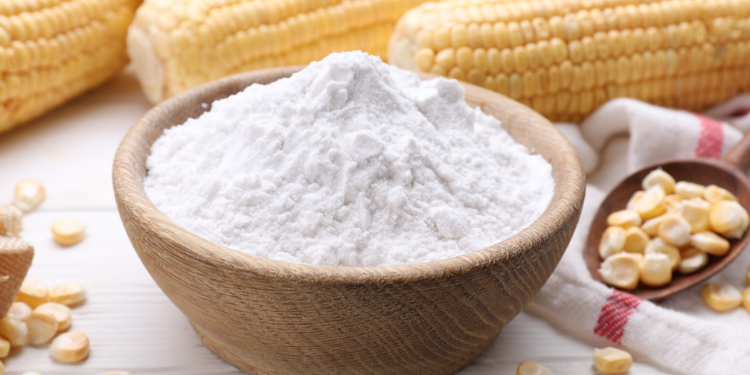
An illustration of maize flour. PHOTO/Canva

One major issue is weak enforcement. Regulatory agencies often lack the necessary resources, including adequate funding and laboratory equipment, to regularly test the quality of fortified foods. Without consistent oversight, substandard or non-fortified products can easily slip through the system.

Then there’s the capacity gap among small millers. Many smaller producers lack the technical know-how or access to the expensive machinery needed for proper mixing, monitoring, and quality control of fortificants. This makes it difficult for them to meet national standards, even when they want to comply.

“Improving clarity and enforcement of regulations can support quality fortification across the value chain. However, both government regulators and industry actors face multiple challenges in monitoring and implementing fortification regulation,” the report adds.

“Governmental bodies, for example, may face challenges with limited funding for broad and regular monitoring, particularly in contexts with several small-scale millers.”

Government inspectors may also face constraints such as limited laboratory equipment and insufficient training to conduct regular quality controls on fortificant users and producers.

ADVERTISEMENT

For fortificant producers, the absence or ambiguity of standards can hinder the development of appropriate formulations and the implementation of effective internal monitoring processes.

The cost factor also adds to the problem. Importing fortificants is expensive, and when producers try to pass on these costs to consumers, their products risk becoming less competitive. Some millers may choose to cut corners, especially when competing with others who skip or “underdose” fortification to keep prices low.


Also Read: How the Food You Eat Everyday is Slowly Killing You


The end result is that consumers—especially those who depend on affordable staple foods—may be paying for nutrients that never actually make it into their meals.

How transparent are the vitamin producers?

At the top of the chain sit 11 major global fortificant producers who supply the vitamins and minerals used worldwide, including in Kenya.

The VitaMin Premix Supplier Assessment 2025 reveals that only two companies have integrated measurable nutrition goals into their core business strategies. The rest acknowledge the importance of nutrition, but without clear, time-bound plans.

While some information on commercial nutrition strategy was publicly available, AtNi noted that it was generally less detailed and provided fewer insights compared to the information on customer engagement, which was typically shared confidentially.

This lack of transparency raises concerns about how much these suppliers actually contribute to public health — and whether the “nutrients” they sell to millers truly meet the standards consumers expect.

When vitamins lose power

Even when high-quality vitamins are produced, poor handling and storage can destroy their potency before they reach the miller.

The report found that while seven global producers provide some technical help — such as training or testing — none have structured frameworks or measurable goals to ensure quality through to the end product.

For a country like Kenya, which relies on imports, this fragility in the supply chain means the quality of fortification can literally decay en route.

Health and economy

The report highlights that the failure of fortified foods is not only a nutrition problem but also a national loss due to the health toll.

Hidden hunger hits children and women hardest:

  • Iron deficiency (anaemia) caused 50 million years of healthy life lost due to disability in 2019.
  • Iodine deficiency disrupts growth and learning.
  • Vitamin A deficiency affects vision and immunity.

When fortified foods don’t deliver, these deficiencies persist — even among populations that think they are protected by “fortified” staples.

“Continued efforts to address these conditions are needed, with estimates from the State of Food Security and Nutrition in the World report highlighting that the global prevalence of anaemia in women aged 15-49 years has increased over the past decade, from 27.6% in 2012 to 30.7% in 2023,” ATNi notes.

According to research by the World Bank, fortification has one of the highest returns on investment in public health — for every dollar spent, societies gain up to $27 through improved productivity and reduced disease burden. But when fortification is weak, Kenya loses both human potential and economic growth.

Strengthening Kenya’s fortification chain

The VitaMin Premix Supplier Assessment 2025 provides a practical roadmap for strengthening Kenya’s food fortification system, including policy reforms and industry collaboration.

It notes that Kenya’s fortification framework is mandate-driven and import-dependent, requiring that staples such as maize and wheat flour, salt, and vegetable oils be fortified by law.

However, the country’s reliance on imported fortificants makes it vulnerable to supply chain disruptions and cost pressures. To close the quality gap and ensure every Kenyan benefits from truly fortified foods, the report outlines key policy measures.

First, Kenya can cut costs by removing import taxes and tariffs on fortificants, which currently account for up to 70–90 percent of fortification expenses.

Reducing these costs would make fortification more affordable for small and medium millers who serve lower-income populations.

Why Your Ugali Might Not Be As Nutritious As You Think
Greg S. Garrett, the Executive Director of the Access to Nutrition Initiative (ATNI). PHOTO/ATNi

Second, the government needs to strengthen enforcement and monitoring. This includes training inspectors, improving laboratory testing capacity, and digitizing quality control systems to ensure regular and transparent compliance checks.

The Vitamin Assessment Report recommends that policymakers “should remove import taxes and customs duties on fortificants, subsidize key fortification inputs, and benchmark fortificant prices to ensure fairness. Incorporating fortified foods into public distribution and social safety net programmes can further strengthen the market for LSFF and enhance accessibility.”

The report further calls for harmonized, evidence-based standards that reflect Kenya’s food systems and align with regional and global guidelines.

The role of industry players

AtNi notes that some companies are already showing how partnerships can work in practice. For instance, Mühlenchemie has developed smaller, affordable premix packaging tailored for East African small-scale millers — a move that improves both access and compliance.

Similarly, DSM-Firmenich, in partnership with the World Food Program (WFP), has conducted training workshops worldwide and plans to do so in other countries, such as Kenya, to help local millers overcome technical challenges and maintain fortification standards.

The report, however, underscores that most large producers lack structured frameworks or measurable goals to ensure consistent quality support across their customer base. Expanding such partnerships, backed by clear accountability systems, could help close the fortification gap.

Enforcement and equity

Despite Kenya’s strong legal foundation for fortification, enforcement remains inconsistent. Regulatory bodies face chronic underfunding, limited laboratory facilities, and insufficiently trained personnel, leading to weak oversight of fortification quality.

Small and medium millers — who play a crucial role in reaching low-income consumers — also struggle with high equipment costs, limited technical capacity, and lack of access to affordable fortificants. This uneven playing field allows non-compliant producers to thrive, further undermining consumer trust.

The report notes that stronger enforcement, targeted subsidies, and technical training programs can help level the field and ensure that fortification policies translate into real nutritional gains for Kenyan households.

The VitaMin Premix Supplier Assessment 2025 reveals that the success of fortification depends on every link in the chain — from global vitamin producers to local millers and regulators.

For consumers, it’s about trust — that “fortified” truly means fortified. For policymakers and industry players, it’s about transparency, accountability, and collaboration to ensure fortification works not just on paper, but on every plate.

Follow our WhatsApp Channel and X Account for real-time news updates.
Why Your Ugali Might Not Be As Nutritious As You Think
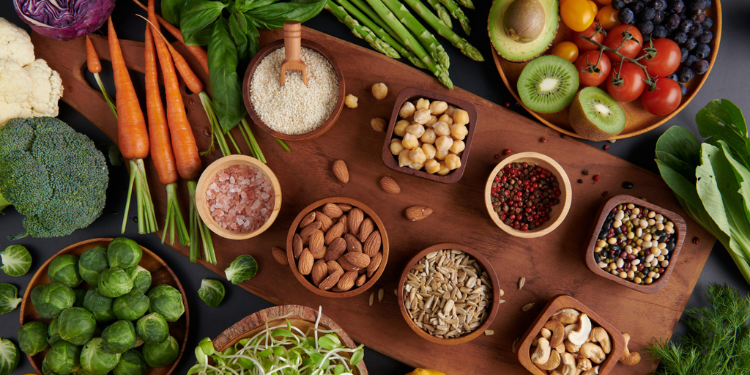
Foodstuffs. PHOTO/Maya Feller Nutrition
Tags: ATNiFortified foodsNutritionVitaMin Premix Supplier Assessment 2025
Jason Ndunyu

Jason Ndunyu

Jason Ndunyu is an International News Correspondent for The Kenya Times, holding a Mass Communications degree from Maseno University. He combines a keen eye for detail with rigorous research and factchecking, producing content that is both accurate and compelling. Jason covers a wide range of topics, with a particular passion for the fast-paced and ever-evolving world of Sports, where he explores stories that inform, entertain, and engage audiences across digital platforms. You can reach him at [email protected]

Related Posts

Kenyan Man Convicted In Massive U.s. Nursing Fraud Scheme That Placed Unqualified Staff In Care Homes

Kenyan Man Found Guilty in U.S. Scheme That Sent Fake Nurses Into Care Homes

June 3, 2026
California Tech Ceo, Jamshid Ghomi, Was Arrested In Massive Iran Nuclear Supply Scheme As Doj Unveils Explosive Allegations

California Tech Executive Arrested as DOJ Unveils Alleged Iran Nuclear Supply Operation

June 3, 2026
Flood-Prone Areas In Kenya Amid El Niño Warning As Heavy Rains Loom

El Niño Flood Alert: Full List of High-Risk Areas Across Kenya

June 3, 2026
Billionaires Bhimji Depar Shah, Narendra Raval And James Mwangi. Photo/ Bidco, Devki And Equity Bank

Top 10 Richest Kenyans and How They Built Their Wealth

June 3, 2026
ADVERTISEMENT

The Kenya Times Facebook

LATEST ARTICLES

  • Congress Revolts Against Trump as House Moves to Block Iran Military Action
  • Did Iran Really Hit a U.S. Base in Bahrain? CENTCOM Sets the Record Straight
  • IRS Worker Quit, Majority Forced to Sit on Desk as Massive Rat Infestation Overruns Georgia Office
  • Kenyan Man Found Guilty in U.S. Scheme That Sent Fake Nurses Into Care Homes
  • Hunter Biden Ignites Trump Family Feud Over Kushner’s $1.4B Albanian Island Resort Amid Corruption Probe
  • California Tech Executive Arrested as DOJ Unveils Alleged Iran Nuclear Supply Operation
  • Republicans Reject Trump’s Appointment of 38-Year-Old Bill Pulte as Acting DNI
  • Equity Bank Shines as the Only Kenyan Brand in Brand Africa 100 Most Admired Financial Services List 2026
  • El Niño Flood Alert: Full List of High-Risk Areas Across Kenya
  • DOJ Official Deletes Late-Night Post Suggesting Alternative Payout Plan After Fund Scrapped
  • Most Downloaded Apps in Kenya Right Now
  • Top 10 Richest Kenyans and How They Built Their Wealth
  • Trump Ignores Kenyan Courts, US Citizens to Be Quarantined for 21 Days in Laikipia
  • Rare Facts You Didn’t Know About Uhuru Kenyatta’s Children
  • The Debt Elimination Blueprint Review: Does It Really Work?
ADVERTISEMENT

Company

About Us

Our Authors

Our Experts

Social Media

Policies

Privacy Policy

House Rules

Standards and Policies

Terms and Conditions

Subscription

My Account

Contact Us

Contact Us

Join Our Team

Advertise With Us

© Copyright 2026 | The Kenya Times | All Rights Reserved

Welcome Back!

Sign In with Facebook
Sign In with Google
Sign In with Linked In
OR

Login to your account below

Forgotten Password? Sign Up

Create New Account!

Sign Up with Facebook
Sign Up with Google
Sign Up with Linked In
OR

Fill the forms below to register

All fields are required. Log In

Retrieve your password

Please enter your username or email address to reset your password.

Log In
Your Privacy and Cookies
We use cookies on our website to give you the most relevant experience by remembering your preferences and repeat visits. By clicking “Accept”, you consent to the use of ALL the cookies.
Do not sell my personal information.
Cookie settingsACCEPT
Privacy & Cookies Policy

Privacy Overview

This website uses cookies to improve your experience while you navigate through the website. Out of these cookies, the cookies that are categorized as necessary are stored on your browser as they are essential for the working of basic functionalities of the website. We also use third-party cookies that help us analyze and understand how you use this website. These cookies will be stored in your browser only with your consent. You also have the option to opt-out of these cookies. But opting out of some of these cookies may have an effect on your browsing experience.
Necessary
Always Enabled
Necessary cookies are absolutely essential for the website to function properly. This category only includes cookies that ensures basic functionalities and security features of the website. These cookies do not store any personal information.
Functional
Functional cookies help to perform certain functionalities like sharing the content of the website on social media platforms, collect feedbacks, and other third-party features.
Performance
Performance cookies are used to understand and analyze the key performance indexes of the website which helps in delivering a better user experience for the visitors.
Analytics
Analytical cookies are used to understand how visitors interact with the website. These cookies help provide information on metrics the number of visitors, bounce rate, traffic source, etc.
Advertisement
Advertisement cookies are used to provide visitors with relevant ads and marketing campaigns. These cookies track visitors across websites and collect information to provide customized ads.
Others
Other uncategorized cookies are those that are being analyzed and have not been classified into a category as yet.
SAVE & ACCEPT
LOGIN | REGISTER
  • Login
  • Sign Up
  • Cart
No Result
View All Result
  • News
    • Latest News
    • Breaking News
    • Investigations
    • Explainers
    • Fact Check
  • Politics
    • Global Politics
    • Conflicts & Security
    • Elections
    • Diplomacy
    • Government & Policy
    • Political Analysis
  • Business
    • Global Economy
    • Markets
    • Technology
    • Startups
    • Energy
    • Finance
  • World News
    • Americas
    • Asia
    • Asia Pacific
    • Africa
    • Europe
    • Middle East
  • Africa
    • East Africa
    • West Africa
    • Southern Africa
    • Central Africa
  • Health
    • Global Health
    • Public Health
    • Health Policy
    • Medical Research
    • Diseases & Conditions
    • Mental Health
    • Nutrition
    • Climate & Health
    • Health Explainers
  • Sports
    • Athletics
    • Basketball
    • Boxing
    • Cricket
    • Football
    • Formula 1
    • Golf
    • Rugby
  • Weather
    • Climate Business
    • Climate Change
    • Climate Solutions
    • Living Green
  • Culture
    • Arts
    • Film & TV
    • Food
    • Lifestyle
    • Music
    • Travel
  • Opinion
    • Editorials
    • Letters
  • Behind The Brand
  • Contact Us

Not enough quota to unlock this post
Unlock left : 0
Are you sure want to cancel subscription?