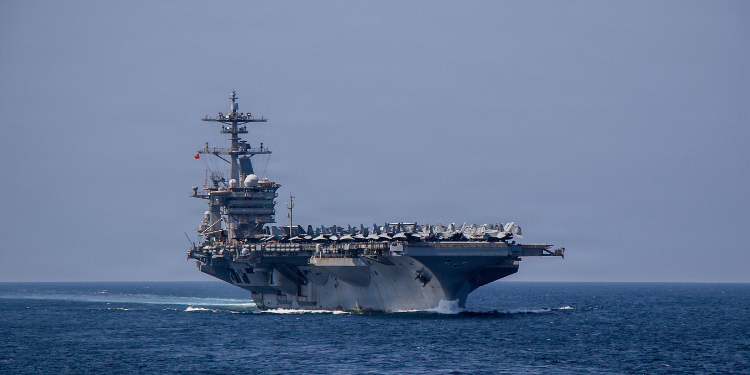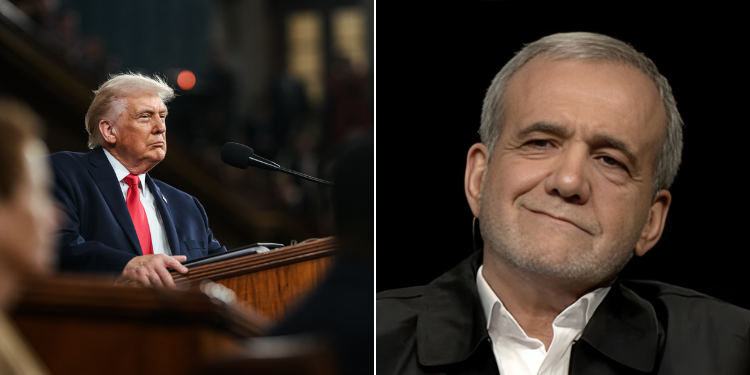
The United States is reinforcing its military presence in the Middle East despite a ceasefire with Iran, sending additional troops and aircraft to the region as preparations continue for high-stakes negotiations in Pakistan this weekend.
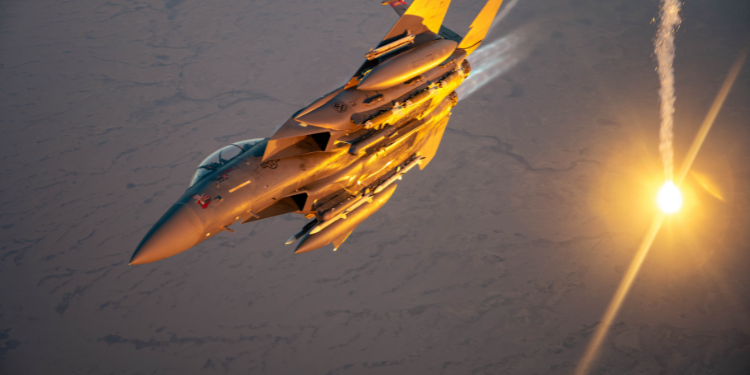
According to U.S. officials and flight-tracking data, fighter jets and attack planes have recently arrived in the Middle East. Logistics and aerial refueling operations are ongoing, reflecting sustained operational readiness.
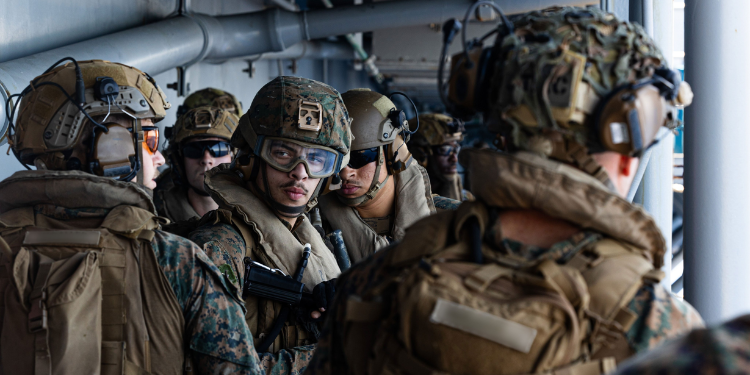
Between 1,500 and 2,000 soldiers from the Army’s 82nd Airborne Division are expected to deploy in the coming days, alongside additional Marine and Navy units.
The Wall Street Journal reported that the deployments are intended to ensure U.S. forces remain prepared for potential operations should talks with Iran fail.
General officers at U.S. Central Command (CENTCOM) confirmed that offensive operations against Iran have been temporarily halted in line with the ceasefire agreement.
CENTCOM stated that U.S. forces had achieved core strategic objectives, including the destruction of Iran’s missile, naval, and drone capabilities, as well as its defense industrial base.
Commanders described the outcome as Iran’s most severe military setback in decades, noting that U.S. forces carried out more than 13,000 strikes on Iranian military targets.
They emphasized that American forces remain vigilant, supporting regional allies and maintaining robust air defense capabilities.
Strait of Hormuz traffic
The ceasefire has not yet restored normal traffic through the Strait of Hormuz, a critical global trade route.
Ship-tracking data analyzed by S&P Global Market Intelligence and NBC News shows only two vessels passed through the strait on Friday, neither carrying oil or gas.
Also Read: Ceasefire on Edge: Trump Puts Iran Under Immense Pressure as He Issues New Ultimatum
Since the ceasefire began Tuesday, just 19 vessels have transited the strait, compared to prewar averages of 130 to 160 ships daily. The limited traffic underscores ongoing uncertainty about Iran’s willingness to allow free passage.
President Donald Trump on Friday told reporters he expected the strait to “open up automatically,” insisting that Iran could not afford to block the waterway.
“It’s international water. If they’re doing that, we’re not going to let that happen,” Trump said. He added that the U.S. does not rely on the strait, suggesting other countries would “help out” if necessary.
U.S.-Iran peace talks in Pakistan
Vice President JD Vance is leading the U.S. delegation to Islamabad, joined by senior advisers Steve and Jared Kushner. Trump said he wished the team “luck” as they departed for negotiations with Iran.
The Iranian delegation, led by Parliament Speaker Mohammad Bagher Ghalibaf and Foreign Minister Abbas Araghchi, arrived in Islamabad on Friday.
Pakistani officials greeted them in a ceremony broadcast by Iranian state media. Iran has set conditions for talks, including a ceasefire in Lebanon and the release of frozen Iranian assets.
The delegation has also invoked the “Minab 168” tragedy — the deaths of 168 people, mostly children, in a missile strike on a school during the war’s first day.
Also Read: Blow to Trump? Inside Iran’s Plan to Undermine US Dollar Dominance via Hormuz Fees
Amnesty International determined a U.S. missile caused the strike, though the Pentagon has not released its full investigation.
In an interview with the New York Post, Trump said U.S. warships were being reloaded with “the best ammunition” to resume airstrikes if talks fail. “We’re going to find out in about 24 hours. We’re going to know soon,” he said.
Officials confirmed that U.S. naval vessels in the region have been resupplied to ensure readiness. The deployments of troops and aircraft are intended to provide flexibility should negotiations collapse.