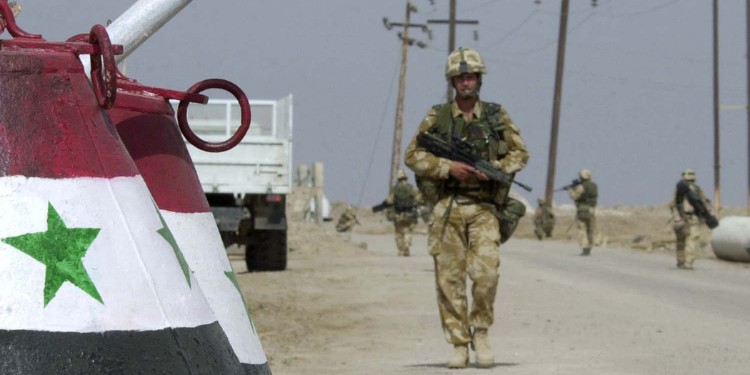
The UK has reportedly evacuated military personnel from operations in Iraq and cancelled upcoming deployments to the country, citing the escalating conflict between the United States and Iran.
The decision, reported by the i Paper, comes amid growing concerns over both the immediate risk to British lives and the wider diplomatic consequences of being drawn deeper into the war.
According to military sources, the Ministry of Defense (MoD) has removed staff from Iraq while halting planned deployments connected to Britain’s ongoing exercises against ISIS.
“It’s just the risk factor on two fronts,” one source told the i Paper. “One, there is a risk to life, and secondly, [there is a] big strategic diplomatic risk of having guys who are pretty much embedded in the American system who can get targeted.”
The source added: “Getting Brits killed in this war would change the calculus.”
Around 200 British military personnel are believed to be taking part in the United States-led exercise to counter ISIS in Iraq, named Operation Shader.
The military campaign was launched in 2014 and includes the training of Iraqi and Kurdish security forces in the country, according to a 2024 government assessment.
Deployed British Army personnel are not operating in a combat role but are instead training local forces in strategic planning, cybersecurity, human rights, and women’s empowerment.
RAF flights from RAF Akrotiri provide offensive capabilities, surveillance and reconnaissance, air-to-air refuelling and transport.
The move to pull out staff from Iraq while halting planned deployments comes amid intensifying U.S. and Israeli strikes on Iranian infrastructure, including railways, bridges, and oil facilities.
At least 18 civilians were reported killed in one province on Tuesday, April 7, according to Iranian officials.
UK limits use of bases by the United States
Downing Street has also signaled that the UK will not permit the United States to use British air bases to conduct attacks on civilian infrastructure in Iran.
Prime Minister Sir Keir Starmer’s spokesperson reiterated that Britain’s position on approving American military strikes from UK sites remains limited to defensive operations.
“The agreement in place is for the U.S. to use UK bases for the collective self-defense of the region, including U.S. defensive operations to degrade missile sites and capabilities used to attack ships in the Strait of Hormuz,” the spokesperson said.
Also Read: Why Britain’s Lone Warship in Iran Warzone Withdrew After Reported Hit
Britain, they added, is “committed to defending our people, our interests and our allies, acting in accordance with international law and not getting drawn into the wider conflict.”
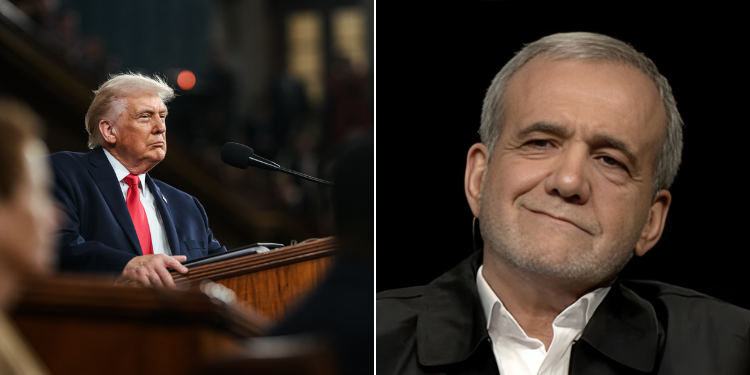
The clarification followed United States President Donald Trump’s threat to obliterate Iran’s bridges and power plants if Tehran did not reopen the Strait of Hormuz by 8 p.m. Eastern time.
Italy has also restricted U.S. use of its bases. Italian Defense Minister Guido Crosetto told lawmakers that Rome would not allow American warplanes to refuel at the Sigonella naval air base in Sicily for operations in Iran.
Italy’s treaties with Washington, first agreed in the 1950s, permit routine logistical operations and training but require explicit authorization for combat missions.
Crosetto emphasized that Italy would strictly adhere to its treaty commitments, underscoring Europe’s reluctance to be drawn into Washington’s offensive strategy.
Escalation in Iran
The developments come as the Iranian regime on Tuesday called on young people to form human chains around power plants as President Trump warned that “a whole civilization will die” if Tehran fails to meet his deadline to reopen the Strait of Hormuz.
U.S. Central Command (CENTCOM) later confirmed that American forces launched one-way attack drones into Iran on Monday night, part of a broader campaign integrating hundreds of drones across air, sea, and land operations.
“Today, hundreds of U.S. drones are fully integrated into offensive and defensive operations against Iran. These platforms operate in the air, at sea, under the sea and on the ground in support of our military objectives,” said Adm. Brad Cooper, commander of CENTCOM.
Israel, meanwhile, acknowledged strikes on Iran’s sonar and submarine detection facilities in Shiraz, as well as sites producing cruise missile and air defense systems in Karaj.
Senate Democrats in Washington condemned Trump’s threats, warning that deliberate attacks on civilian infrastructure would constitute war crimes.
Also Read: Republicans Set Tight Deadline for Trump as World Awaits 8 PM Decision on Iran
Pope Leo XIV also denounced the U.S. President’s rhetoric, calling it “truly unacceptable” and urging global leaders to reject escalation.
Pakistan’s Prime Minister Shehbaz Sharif has appealed for a two-week ceasefire, asking both Washington and Tehran to allow diplomacy to proceed.
Sharif’s proposal, posted on X, urged Trump to extend his deadline and for Iran to reopen the Strait of Hormuz temporarily as a goodwill gesture.
Hostage situation in Iraq
The conflict has also complicated security in Iraq, where an Iranian-backed militia announced it would release American journalist Shelly Kittleson, abducted in Baghdad a week ago, on the condition that she leave the country immediately.
Britain’s evacuation of personnel and refusal to allow offensive U.S. operations from its bases comes as the MoD continues to stress that the UK’s defensive posture remains intact.
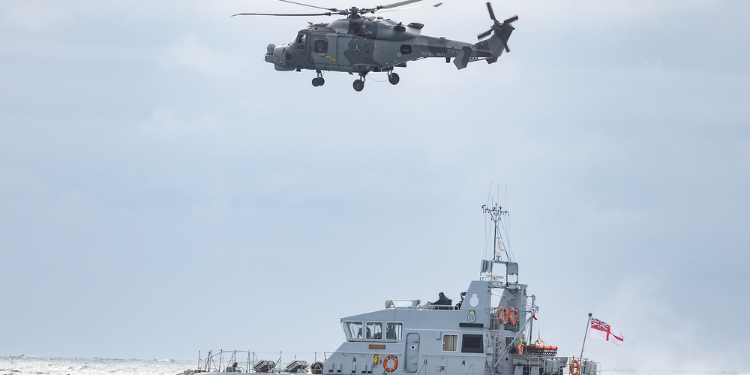
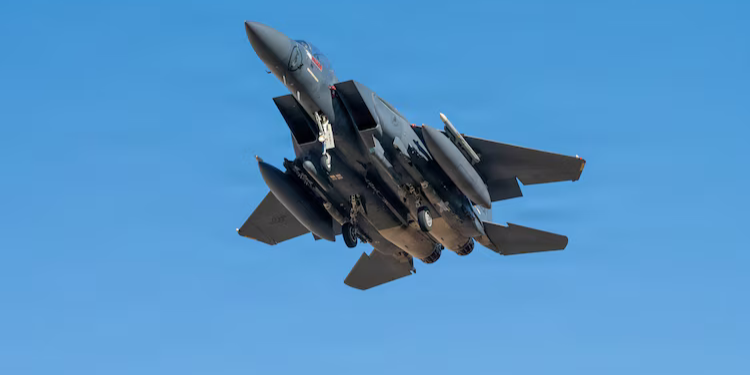
Assets, including Typhoon and F-35 jets, Merlin and Wildcat helicopters, and advanced counter-drone systems, have already been deployed in coordination with allies.