



The government has clarified circulating claims regarding the disbursement of start-up capital under the NYOTA Kenya programme.
The update follows the second mandatory classroom-based business skills training, which started on 20th April 2026, conducted at the constituency level across the country.
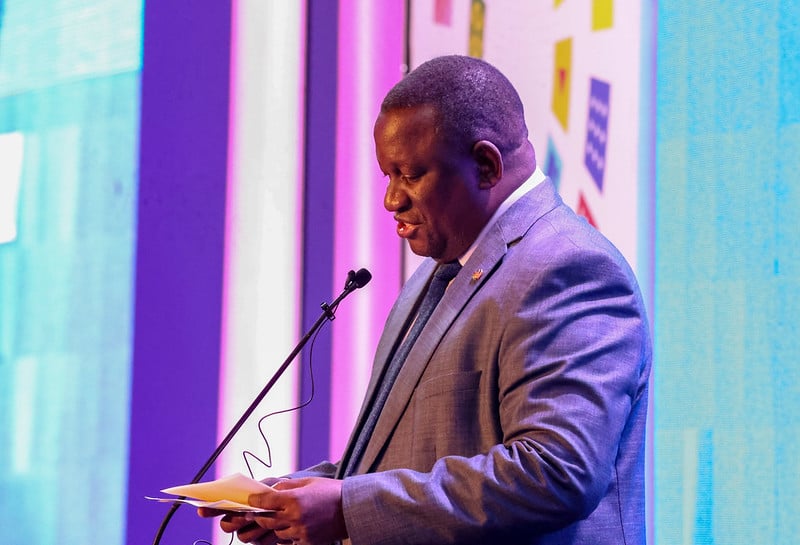
Principal Secretary for the State Department for MSMEs Development, Susan Mang’eni, has dismissed what she described as misinformation spreading on social media
New Directives on NYOTA Kenya disbursement
The government has cautioned members of the public against relying on unverified updates regarding the NYOTA Kenya start-up capital disbursement process.
According to the clarification, no new or unofficial announcements should be considered valid unless issued through recognized government communication channels.
Also Read: Govt Issues Fresh Directive to NYOTA Beneficiaries in 14 Counties
Beneficiaries under the NYOTA Kenya programme have been encouraged to continue focusing on developing and strengthening their businesses.
Participants have also been urged to share their progress and success stories, which are seen as an important part of tracking the impact of the programme.
“Ignore such purported ‘updates’ circulating on Nyota start-up capital disbursement. We shall communicate officially in the coming days on when the disbursement will take place. In the meantime, we encourage our NYOTA business support beneficiaries to continue building their businesses and sharing their success stories,” stated Mang’eni.
NYOTA Directs On-the-Job Experience Beneficiaries in 14 Counties to Revise Skills
The directive targets youth in Nakuru, Narok, Kericho, Bomet, and Homa Bay counties.
Other affected counties are Kisii, Nyamira, Bungoma, Busia, Kakamega, Kisumu, Migori, Siaya, and Vihiga.
NYOTA stated that beneficiaries can revise their skill selections by dialing *254#, selecting the OJE programme, and completing the skills revision process.
“You will receive an SMS from our official number with further guidelines,” the notice added.
According to NYOTA, choosing the right skills improves employability by equipping beneficiaries with competencies that align with labor market demands.
It also enhances workplace productivity, as individuals are more likely to perform effectively when placed in roles that align with their training and strengths.
The initiative further notes that proper skill selection helps reduce the persistent challenge of labor market skill mismatch, in which job seekers lack the specific skills employers require.
Also Read: Select Kenyans to Receive Ksh25,000 Each in Second Batch of Government Project
How the NYOTA OJE Programme Progresses Beneficiaries
The directive comes days after beneficiaries completed the OJE training exercise, which is intended to help them secure employment.
During the training period, each beneficiary received a monthly stipend of KSh 6,000 for six months.
Upon completion of the 20-day SESD training, beneficiaries will transition into a five-month apprenticeship under experienced master craftsmen to gain hands-on, industry-relevant skills.
At the end of the apprenticeship period, participants will undertake an assessment administered by the National Industrial Training Authority (NITA).
Successful candidates will receive certification recognizing their competencies and enhancing their employability prospects.




Why doesn’t government or through NITA pay the trainers who carried out assessment across the country. Trainers have lamented since February without concrete response. Many seem withdrawn unless payment is done now now.