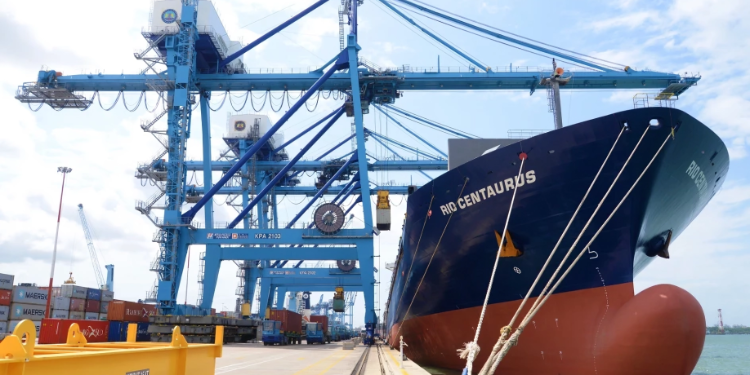
Kenya Revenue Authority (KRA) and Kenya Ports Authority (KPA) have launched major reforms to ease congestion at the Port of Mombasa and accelerate cargo clearance.
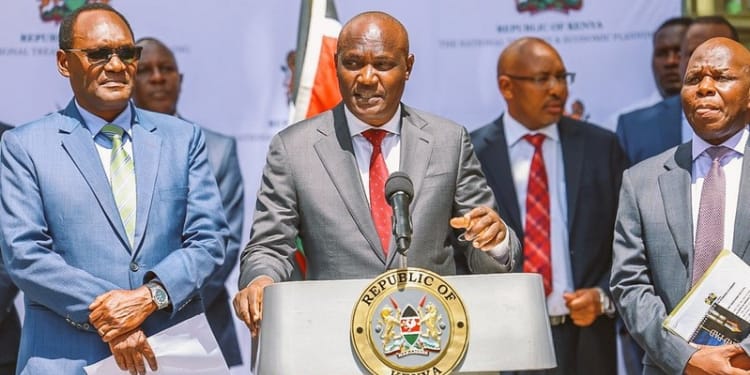
According to a statement dated Saturday, January 24, 2026, KRA Commissioner General Humphrey Wattanga said the measures mark a strategic shift towards a more predictable, efficient, and digitally enabled port ecosystem that supports trade facilitation and economic growth.
“The Port of Mombasa is not only a national asset but a critical regional gateway. Our objective is to eliminate bottlenecks, reduce cargo dwell time, and build a predictable, efficient, and digitally enabled clearance system that supports trade and economic growth,” said Wattanga.
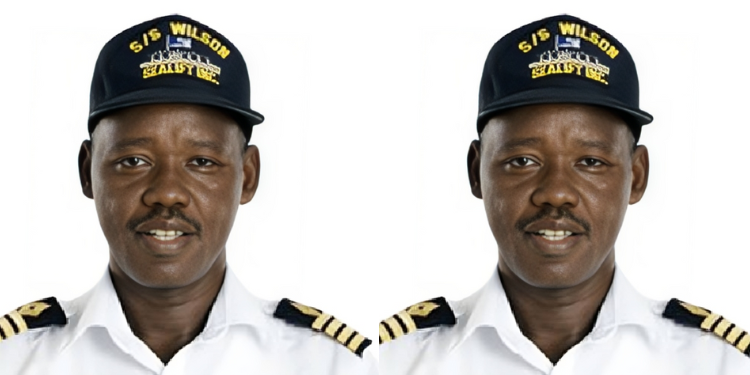
Additionally, KPA Managing Director Capt. William K. Ruto reaffirmed the authority’s commitment to implementing the agreed measures in close partnership with KRA and industry stakeholders.
“These reforms will unlock capacity, improve operational flow, and strengthen Mombasa’s competitiveness as a regional and global port,” said Capt. Ruto.
KPA and KRA Key Reforms to Streamline Operations in Mombasa Port
The following are coordinated reforms announced by KRA and KPA.
- Long-stay cargo evacuation (21+ days) – All consignments that have remained at the port for more than 21 days and are earmarked for auction or destruction will be transferred to designated Container Freight Stations. The evacuation will begin at the G-section of the port to free up critical yard space and ease congestion.
- Multi-vendor RECTS seal system – To address shortages of Regional Electronic Cargo Tracking System (RECTS) seals, KRA will introduce a multi-vendor model through an open expression of interest. This will strengthen system resilience and ensure uninterrupted cargo tracking.
Also Read: KPA Wins Prestigious Award Abroad; What it Means
- More SGR wagons to inland depots – Additional wagons will be deployed on the Standard Gauge Railway (SGR) to transfer cargo to Embakasi and Naivasha Inland Container Depots, reducing pressure on the port and road corridors.
- Lamu Port transhipment boost – Increased use of Lamu Port for transshipment cargo will ease pressure on Kilindini and unlock the full potential of Kenya’s northern maritime gateway. KPA will dedicate infrastructure and resources to support transshipment operations.
- Empty container management site – The stakeholders stated that a dedicated site within the port will handle the stacking and loading of empty containers. A new industry framework on empty container management will take effect from 26th January 2026 to improve coordination and turnaround times.
- Enhanced digital integration – The deeper integration of digital systems will reduce manual processes and multiple documentation requirements. Additional personnel will be deployed at RECTS offices and port gates to accelerate cargo clearance.
Overcrowding at Mombasa Port Frustrates Ship Agents
Previously, The Kenya Ship Agents Association (KSAA) urged the Kenya Ports Authority (KPA) to implement long-term measures to decongest the Port of Mombasa and resolve an escalating crisis involving more than 20,000 empty containers.
Also Read: South Sudan Slams Ruto’s Govt Over Mombasa Port New Tax
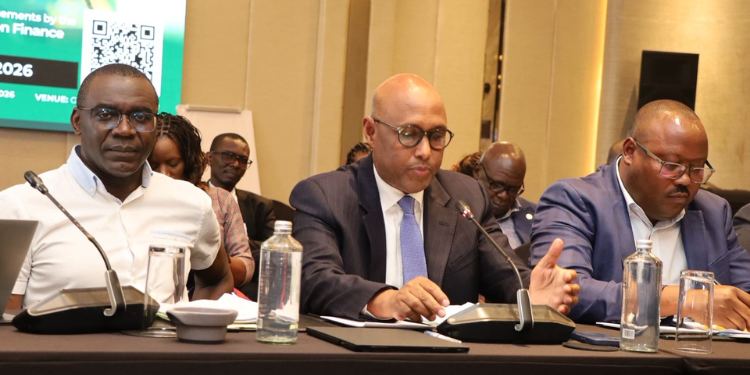
KSAA CEO Elijah Mbaru said the industry had recently been grappling with heightened volatility, including increased business costs, vessels waiting for days at the outer anchorage, and spillover effects from the post-election crisis in a neighboring country.
“We also have issues with the hinterland connectivity, whereby we don’t receive boxes as we are supposed to. We experience delays, and the final effect is that we are forced to pay substantial damages in terms of ships’ charter fees and other associated fees,” stated Mbaru.
“We are looking at fluidity in the supply chain and logistics to achieve efficiency,” he added, noting that they are working very closely with government agencies, including Kenya Ports Authority (KPA), Kentrade, Kenya Revenue Authority (KRA), and Kenya Railways, to have a lasting solution.
KSAA Chairman Roger Dainty confirmed that congestion at the Port of Mombasa remained a challenge, describing it as a carryover from the same period last year, when more vessels traditionally dock during the final quarter.
Follow our WhatsApp Channel and X Account for real-time news updates.