Wednesday, June 3, 2026
  • News
    • Latest News
    • Breaking News
    • Fact Check
    • Investigations
    • Explainers
  • Politics
    • Global Politics
    • Elections
    • Government & Policy
    • Diplomacy
    • Conflicts & Security
    • Political Analysis
  • Business
    • Global Economy
    • Markets
    • Technology
    • Startups
    • Energy
    • Finance
  • World News
    • Americas
    • Asia
    • Asia Pacific
    • Africa
    • Europe
    • Middle East
  • Africa
    • Central Africa
    • East Africa
    • West Africa
    • Southern Africa
  • Health
    • Global Health
    • Public Health
    • Health Policy
    • Medical Research
    • Diseases & Conditions
    • Mental Health
    • Nutrition
    • Climate & Health
    • Health Explainers
  • Sports
    • Athletics
    • Basketball
    • Boxing
    • Cricket
    • Football
    • Formula 1
    • Golf
    • Rugby
  • Weather
    • Climate Business
    • Climate Change
    • Climate Solutions
    • Living Green
  • Culture
    • Arts
    • Film & TV
    • Food
    • Music
    • Lifestyle
    • Travel
  • Opinion
    • Editorials
    • Letters
  • Behind The Brand
REGISTER
LOGIN
No Result
View All Result
The Kenya Times
  • News
    • Latest News
    • Breaking News
    • Fact Check
    • Investigations
    • Explainers
  • Politics
    • Global Politics
    • Elections
    • Government & Policy
    • Diplomacy
    • Conflicts & Security
    • Political Analysis
  • Business
    • Global Economy
    • Markets
    • Technology
    • Startups
    • Energy
    • Finance
  • World News
    • Americas
    • Asia
    • Asia Pacific
    • Africa
    • Europe
    • Middle East
  • Africa
    • Central Africa
    • East Africa
    • West Africa
    • Southern Africa
  • Health
    • Global Health
    • Public Health
    • Health Policy
    • Medical Research
    • Diseases & Conditions
    • Mental Health
    • Nutrition
    • Climate & Health
    • Health Explainers
  • Sports
    • Athletics
    • Basketball
    • Boxing
    • Cricket
    • Football
    • Formula 1
    • Golf
    • Rugby
  • Weather
    • Climate Business
    • Climate Change
    • Climate Solutions
    • Living Green
  • Culture
    • Arts
    • Film & TV
    • Food
    • Music
    • Lifestyle
    • Travel
  • Opinion
    • Editorials
    • Letters
  • Behind The Brand
  • News
    • Latest News
    • Breaking News
    • Fact Check
    • Investigations
    • Explainers
  • Politics
    • Global Politics
    • Elections
    • Government & Policy
    • Diplomacy
    • Conflicts & Security
    • Political Analysis
  • Business
    • Global Economy
    • Markets
    • Technology
    • Startups
    • Energy
    • Finance
  • World News
    • Americas
    • Asia
    • Asia Pacific
    • Africa
    • Europe
    • Middle East
  • Africa
    • Central Africa
    • East Africa
    • West Africa
    • Southern Africa
  • Health
    • Global Health
    • Public Health
    • Health Policy
    • Medical Research
    • Diseases & Conditions
    • Mental Health
    • Nutrition
    • Climate & Health
    • Health Explainers
  • Sports
    • Athletics
    • Basketball
    • Boxing
    • Cricket
    • Football
    • Formula 1
    • Golf
    • Rugby
  • Weather
    • Climate Business
    • Climate Change
    • Climate Solutions
    • Living Green
  • Culture
    • Arts
    • Film & TV
    • Food
    • Music
    • Lifestyle
    • Travel
  • Opinion
    • Editorials
    • Letters
  • Behind The Brand
No Result
View All Result
The Kenya Times ~ Trending, Breaking News and Videos
No Result
View All Result
ADVERTISEMENT

Dangerous Pregnancy Complication: African Women at Higher Risk of Pre-eclampsia

The ConversationbyThe Conversation
May 10, 2025
Reading Time: 8 mins read
Women In Sudan Face Significant Challenges, Including Limited Access To Education, Healthcare, And Economic Opportunities,

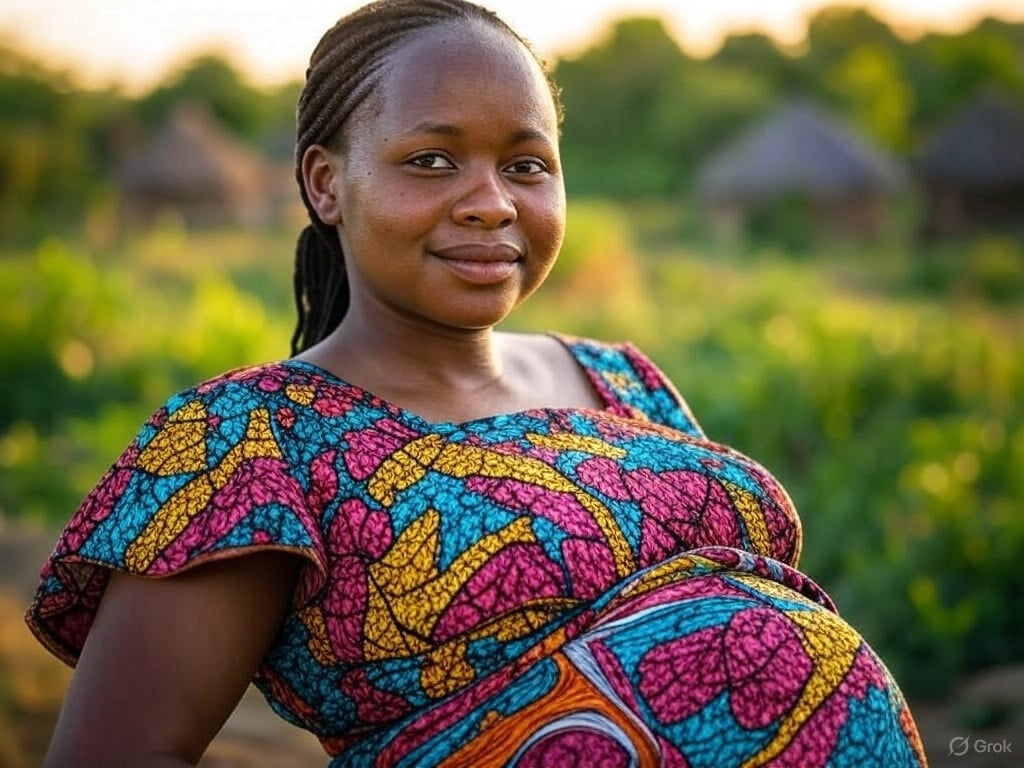
AI generated image of an expectant African Woman. PHOTO/Grok.

FacebookTwitterLinkedInRedditWhatsApp
Advertisement

Pre-eclampsia is a danger to pregnant women. It’s a complication characterised by high blood pressure and organ damage, arising during the second half of pregnancy, in labour or in the first week after delivery.

It plays a major role in about 16% of the deaths of pregnant women in sub-Saharan Africa.

And it’s on the rise: between 2010 and 2018, the incidence of pre-eclampsia in Africa jumped by around 20%.

Pre-eclampsia usually occurs in young mothers during a first pregnancy. Girls under the age of 18 years are most at risk. The probability that a 15-year-old girl will die from complications of pregnancy is one in 150 in developing countries, versus one in 3,800 in developed countries, according to the World Health Organization.

Not only does pre-eclampsia pose a serious health threat to women, it also harms babies. It contributes to stillbirth, preterm birth and low birth weight.

Yet we still do not know enough about pre-eclampsia. This gap has driven my research into the disease.

I conducted the first genetic case-control study on pre-eclampsia among African women in comparison to European women over a decade ago for my PhD research.

My work revealed that both African and European populations have a gene (KIR AA genotype) that increases the chance of pre-eclampsia. However, African women are at greater risk of pre-eclampsia than other racial groups. This is because they’re more at risk of carrying a fetus with a C2-type HLA-C gene from the father. African populations have a higher frequency of this gene, which raises the likelihood of risky mother-fetus combinations.

An additional finding from my research is that genetic protection from pre-eclampsia works differently across populations – and African populations carry unique protective genes. However, even with these additional protections, African women are at greater risk of developing severe pre-eclampsia due to the other challenges, like access to healthcare and socio-economic constraints.

There’s inequality in the treatment of the condition too. In my experience, wealthier and better-educated African women often receive the necessary diagnosis and treatment. Poorer and less-educated African women too often do not.

Pre-eclampsia research, especially in Africa, requires a lot more funding, as does broader research related to the maternal health of African women.

Pre-eclampsia in Uganda

Around 287,000 women worldwide die during pregnancy and childbirth every year. Shockingly, 70% of these are African women.

Most of these deaths are preventable. For example, around 10% are the result of high blood pressure-related conditions during pregnancy.

Uganda’s Ministry of Health recorded in 2023 that out of 1,276 maternal deaths reported, 16% were associated with high blood pressure.

Hospitals are being overwhelmed by patients with the illness. For example, Kawempe National Referral Hospital in Kampala receives around 150 patients with the condition every month. It has set up a special ward to treat them.

The maternal mortality rate (death due to complications from pregnancy or childbirth) in Uganda is 284 per 100,000 live births. In Australia it is 2.94. The neonatal mortality rate (death during the first 28 completed days of life) is 19 per 1,000 live births in Uganda against 2.37 in Australia. Infant mortality (death before a child turns one) is 31 per 1,000 live births in Uganda versus 3.7 in Australia, according to the WHO’s Global Health Observatory.

This stark contrast highlights an enormous gap in care that the two countries’ pregnant mothers and babies receive.

Part of the problem in Uganda, as in many developing countries, is persistent challenges in healthcare infrastructure. There are shortages of healthcare workers, medical supplies and facilities, particularly in the rural areas.

Early detection is key

As a clinician and researcher working at the centre of Uganda’s healthcare system, I witness mothers arriving at hospitals already in a critical condition, with limited options to treat the complications associated with pre-eclampsia. It is heartbreaking.

The condition is both preventable and treatable if caught early. My research focuses on identifying biological signs of the likelihood of complications during pregnancy, using data analysis informed by Artificial Intelligence.

These predictive biomarkers, as they are called, enable us to categorise patients based on their risk levels and identify those most likely to benefit from specific treatments or preventive measures.

The precise causes of pre-eclampsia are not certain, but factors beyond genetics are thought to be problems with the immune system and inadequate development of the placenta. But much of what researchers know comes from work done in high-income countries, often with a limited sample size of African women.

Consequently, the findings may not apply directly to the genetics of sub-Saharan African women. My research addresses this knowledge gap.

Building on my findings about genetic determinants, I am leading a research team at Makerere University to design interventions tailored to specific prevention and treatment strategies for African populations.

Raising pre-eclampsia awareness

Research alone is not enough. There is an urgent need to bridge the gap between research and practice.

During my fieldwork, I have witnessed first-hand how many Ugandan women are not aware of pre-eclampsia’s warning signs and miss out on vital prenatal care. These warning signs often include headache, disturbances with vision, upper pain in the right side of the abdomen and swelling of the legs.

But we can develop screening algorithms so that healthcare professionals can rapidly diagnose women at higher risk early in their pregnancy. Timely intervention, including specific treatment and plans for delivery, would reduce the risk of adverse outcomes for both mother and baby.

In my capacity as a national pre-eclampsia champion appointed by Uganda’s Ministry of Health, I am spearheading initiatives to raise awareness and improve access to maternal healthcare services.

Through community outreach programmes and educational campaigns, we want to empower all women, rich and poor, with knowledge about the condition and encourage them to seek medical assistance at an early stage.

More resources must be allocated to genetics research to realise our goals of prevention, early detection, diagnosis and treatment of pre-eclampsia and its associated complications.

This investment will drive the development of predictive technology for precise diagnosis, and enable timely intervention for at-risk mothers.

Moreover, investigating the genetic roots of pre-eclampsia could lead to novel therapies that reduce the need for costly medical procedures or prolonged care for those affected.

This would reduce the strain on already overburdened African healthcare systems.The Conversation

Annettee Nakimuli, Associate Professor of Obstetrics and Gynecology, Makerere University

This article is republished from The Conversation under a Creative Commons license. Read the original article.

Follow our WhatsApp Channel and X Account for real-time news updates.

Pre-Eclampsia Pregnancy Complication High In African Women
Kenya’s Health Principal Secretary Mary Muthoni during SHA registration in Kisumu County. PHOTO/MoH.
Tags: Pre-eclampsiaPregnant WomenWomen's Health
The Conversation

The Conversation

The Conversation is an independent news organization that publishes evidence-based articles written by experts to help readers understand diverse topics. We cover a wide range of areas including arts, culture, education, health, politics, science, and more¹. Their content is characterized by in-depth analysis, research, news, and ideas from leading academics and researchers. The Conversation aims to provide academic rigor with journalistic flair.

Related Posts

Moe Has Vowed To Take Action Against Utumishi Girls School Principal Over School Fire That Killed 16 Learners.

Opinion | How Kenya Failed the Girls of Utumishi Academy

June 2, 2026
Is Kenya Losing Its Morals? Rising Deviant Behavior And Rampant Crime

Opinion | The Mother Who Hates Her Own Children: Kenya’s Moral Collapse

June 2, 2026
Treasury Invites Applications For Board Recruitment Across 39 State-Owned Enterprises

Opinion | How New Taxes on Bank Card Transactions Charges Will Raise the Costs for Ordinary Kenyans if Adopted by Parliament

June 1, 2026
The Kenya National Examinations Council (Knec) Has Announced The Dates For The 2026/2027 Business And Technical Examination.

Opinion | AI Mistakes That Could Destroy Kenya’s Future — Global Lessons Every Leader, Business and Citizen Must See Now

May 31, 2026
ADVERTISEMENT

The Kenya Times Facebook

LATEST ARTICLES

  • Did Harambee Stars Reject Hotel in South Africa Ahead of Lesotho Friendlies?
  • Botswana Tanker Blasted as U.S. Fires Hellfire Into Empty Ship Heading to Iran’s Kharg Island
  • Trump’s DOJ Scraps $1.776B Anti-weaponization Fund
  • CBS News Pays $2.5 Million to Inexperienced Producer to Lead 60 Minutes
  • Neto Agostinho Profile: Educational Background, Career, Political Journey and Net Worth
  • Trump Admin Says There Are Many Places to Send Americans After Kenya Blocks Ebola Facility
  • Jill Biden Reveals What “Could Have Killed” Biden While He Was in Office
  • Trump Admits: ‘No One Knows Where the Iran Conversations Lead’
  • Trump AG Todd Blanche Says Trump Would Have Gone to Prison if He Lost 2024 Election
  • Raila Odinga Junior Unveils His Late Father’s Restored Hummer
  • COFEK Turns Up Pressure on Commission in Bid to Remove Education PS Julius Bitok
  • UoN the Only Kenyan University Ranked Among the World’s Top 2,000 Universities
  • Details of US Travel Advisory to Its Citizens Amid Controversy Over Ebola
  • Marco Rubio Confesses Secret on Iran Talks as He Hints at Rare Breakthrough
  • From Seminary Expulsion to the Cabinet: The Story of Rt. Major General Kahinda Otafiire
ADVERTISEMENT

Company

About Us

Our Authors

Our Experts

Social Media

Policies

Privacy Policy

House Rules

Standards and Policies

Terms and Conditions

Subscription

My Account

Contact Us

Contact Us

Join Our Team

Advertise With Us

© Copyright 2026 | The Kenya Times | All Rights Reserved

Welcome Back!

Sign In with Facebook
Sign In with Google
Sign In with Linked In
OR

Login to your account below

Forgotten Password? Sign Up

Create New Account!

Sign Up with Facebook
Sign Up with Google
Sign Up with Linked In
OR

Fill the forms below to register

All fields are required. Log In

Retrieve your password

Please enter your username or email address to reset your password.

Log In
Your Privacy and Cookies
We use cookies on our website to give you the most relevant experience by remembering your preferences and repeat visits. By clicking “Accept”, you consent to the use of ALL the cookies.
Do not sell my personal information.
Cookie settingsACCEPT
Privacy & Cookies Policy

Privacy Overview

This website uses cookies to improve your experience while you navigate through the website. Out of these cookies, the cookies that are categorized as necessary are stored on your browser as they are essential for the working of basic functionalities of the website. We also use third-party cookies that help us analyze and understand how you use this website. These cookies will be stored in your browser only with your consent. You also have the option to opt-out of these cookies. But opting out of some of these cookies may have an effect on your browsing experience.
Necessary
Always Enabled
Necessary cookies are absolutely essential for the website to function properly. This category only includes cookies that ensures basic functionalities and security features of the website. These cookies do not store any personal information.
Functional
Functional cookies help to perform certain functionalities like sharing the content of the website on social media platforms, collect feedbacks, and other third-party features.
Performance
Performance cookies are used to understand and analyze the key performance indexes of the website which helps in delivering a better user experience for the visitors.
Analytics
Analytical cookies are used to understand how visitors interact with the website. These cookies help provide information on metrics the number of visitors, bounce rate, traffic source, etc.
Advertisement
Advertisement cookies are used to provide visitors with relevant ads and marketing campaigns. These cookies track visitors across websites and collect information to provide customized ads.
Others
Other uncategorized cookies are those that are being analyzed and have not been classified into a category as yet.
SAVE & ACCEPT
LOGIN | REGISTER
  • Login
  • Sign Up
  • Cart
No Result
View All Result
  • News
    • Latest News
    • Breaking News
    • Investigations
    • Explainers
    • Fact Check
  • Politics
    • Global Politics
    • Conflicts & Security
    • Elections
    • Diplomacy
    • Government & Policy
    • Political Analysis
  • Business
    • Global Economy
    • Markets
    • Technology
    • Startups
    • Energy
    • Finance
  • World News
    • Americas
    • Asia
    • Asia Pacific
    • Africa
    • Europe
    • Middle East
  • Africa
    • East Africa
    • West Africa
    • Southern Africa
    • Central Africa
  • Health
    • Global Health
    • Public Health
    • Health Policy
    • Medical Research
    • Diseases & Conditions
    • Mental Health
    • Nutrition
    • Climate & Health
    • Health Explainers
  • Sports
    • Athletics
    • Basketball
    • Boxing
    • Cricket
    • Football
    • Formula 1
    • Golf
    • Rugby
  • Weather
    • Climate Business
    • Climate Change
    • Climate Solutions
    • Living Green
  • Culture
    • Arts
    • Film & TV
    • Food
    • Lifestyle
    • Music
    • Travel
  • Opinion
    • Editorials
    • Letters
  • Behind The Brand
  • Contact Us

Not enough quota to unlock this post
Unlock left : 0
Are you sure want to cancel subscription?