Tuesday, June 2, 2026
  • News
    • Latest News
    • Breaking News
    • Fact Check
    • Investigations
    • Explainers
  • Politics
    • Global Politics
    • Elections
    • Government & Policy
    • Diplomacy
    • Conflicts & Security
    • Political Analysis
  • Business
    • Global Economy
    • Markets
    • Technology
    • Startups
    • Energy
    • Finance
  • World News
    • Americas
    • Asia
    • Asia Pacific
    • Africa
    • Europe
    • Middle East
  • Africa
    • Central Africa
    • East Africa
    • West Africa
    • Southern Africa
  • Health
    • Global Health
    • Public Health
    • Health Policy
    • Medical Research
    • Diseases & Conditions
    • Mental Health
    • Nutrition
    • Climate & Health
    • Health Explainers
  • Sports
    • Athletics
    • Basketball
    • Boxing
    • Cricket
    • Football
    • Formula 1
    • Golf
    • Rugby
  • Weather
    • Climate Business
    • Climate Change
    • Climate Solutions
    • Living Green
  • Culture
    • Arts
    • Film & TV
    • Food
    • Music
    • Lifestyle
    • Travel
  • Opinion
    • Editorials
    • Letters
  • Behind The Brand
REGISTER
LOGIN
No Result
View All Result
The Kenya Times
  • News
    • Latest News
    • Breaking News
    • Fact Check
    • Investigations
    • Explainers
  • Politics
    • Global Politics
    • Elections
    • Government & Policy
    • Diplomacy
    • Conflicts & Security
    • Political Analysis
  • Business
    • Global Economy
    • Markets
    • Technology
    • Startups
    • Energy
    • Finance
  • World News
    • Americas
    • Asia
    • Asia Pacific
    • Africa
    • Europe
    • Middle East
  • Africa
    • Central Africa
    • East Africa
    • West Africa
    • Southern Africa
  • Health
    • Global Health
    • Public Health
    • Health Policy
    • Medical Research
    • Diseases & Conditions
    • Mental Health
    • Nutrition
    • Climate & Health
    • Health Explainers
  • Sports
    • Athletics
    • Basketball
    • Boxing
    • Cricket
    • Football
    • Formula 1
    • Golf
    • Rugby
  • Weather
    • Climate Business
    • Climate Change
    • Climate Solutions
    • Living Green
  • Culture
    • Arts
    • Film & TV
    • Food
    • Music
    • Lifestyle
    • Travel
  • Opinion
    • Editorials
    • Letters
  • Behind The Brand
  • News
    • Latest News
    • Breaking News
    • Fact Check
    • Investigations
    • Explainers
  • Politics
    • Global Politics
    • Elections
    • Government & Policy
    • Diplomacy
    • Conflicts & Security
    • Political Analysis
  • Business
    • Global Economy
    • Markets
    • Technology
    • Startups
    • Energy
    • Finance
  • World News
    • Americas
    • Asia
    • Asia Pacific
    • Africa
    • Europe
    • Middle East
  • Africa
    • Central Africa
    • East Africa
    • West Africa
    • Southern Africa
  • Health
    • Global Health
    • Public Health
    • Health Policy
    • Medical Research
    • Diseases & Conditions
    • Mental Health
    • Nutrition
    • Climate & Health
    • Health Explainers
  • Sports
    • Athletics
    • Basketball
    • Boxing
    • Cricket
    • Football
    • Formula 1
    • Golf
    • Rugby
  • Weather
    • Climate Business
    • Climate Change
    • Climate Solutions
    • Living Green
  • Culture
    • Arts
    • Film & TV
    • Food
    • Music
    • Lifestyle
    • Travel
  • Opinion
    • Editorials
    • Letters
  • Behind The Brand
No Result
View All Result
The Kenya Times ~ Trending, Breaking News and Videos
No Result
View All Result
ADVERTISEMENT

Let’s Embrace the Creative Renaissance by Immortalizing African Art and Culture

Ooro GeorgebyOoro George
October 7, 2023
Reading Time: 7 mins read
FacebookTwitterLinkedInRedditWhatsApp
Advertisement

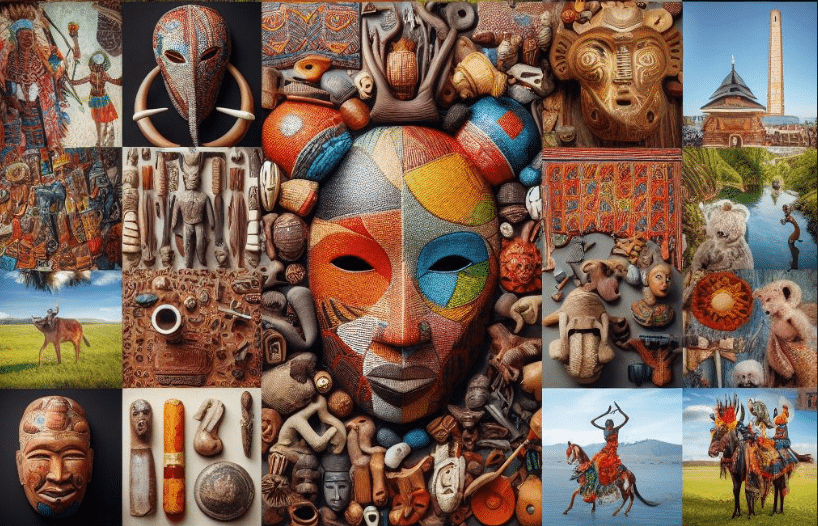
Embracing creative renaissance by immortalizing African culture. During the 400th anniversary of his death in 2016, Shakespeare was commemorated as a global figure by institutions including the British Council, the BBC, and the UK’s National Theatre, among others. In addition to being a splendid cultural and educational celebration, the event bolstered the UK’s global influence and fortified international relationships, potentially yielding benefits in tourism, education, trade, and investment.

Shakespeare is taught in schools to over 50% of the world’s population. When young adults in other countries are polled about a prominent figure in contemporary UK culture who triggers their interest, ‘Shakespeare’ emerges as the overwhelmingly popular choice.
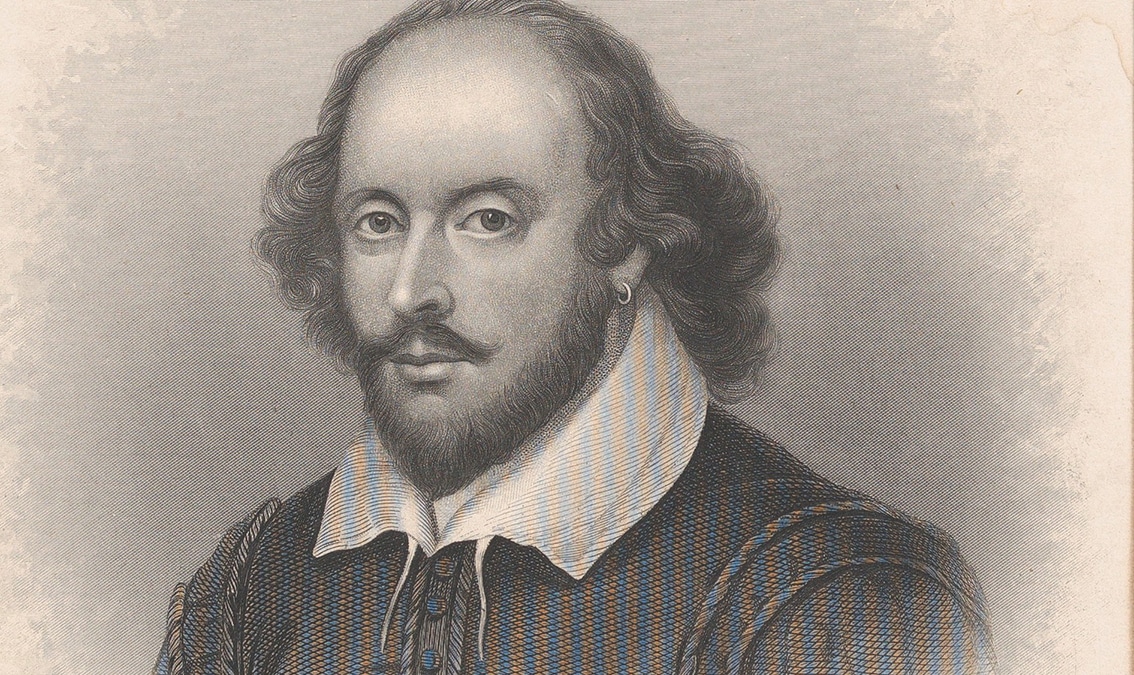
Shakespeare | Photo Courtesy

No other historical creative figure enjoys such widespread study, with most others being studied by no more than 1% or 2%. He stands as the UK’s foremost ambassador globally and ranks among the nation’s most vital soft power resources. Indeed, he has been a wellspring of inspiration for generations of world leaders, politicians, writers, thinkers, artists, composers, and filmmakers.

His creative contributions also delve into explorations of government, leadership, law, justice, corruption, diplomacy, social mobility, and, particularly in his comedies, the dynamics of building functional communities. These themes continue to be of paramount importance in contemporary society, further emphasizing the enduring relevance of Shakespeare’s writings.

Ngugi wa Thiongo

On December 31, 1977, Ngugi wa Thiong’o, widely regarded as the most significant East African writer, was arrested and detained for questioning by Kenyan police.

ADVERTISEMENT
Ngugi Wa Thiong'O | Creative Renaissance
Kenyan author Ngugi wa Thiong’o is also a Professor at University of California, Irvine | Daniel A. Anderson/University of California, Irvine/Courtesy of The New Press

They escorted him from his home in Limuru after conducting a thorough search and confiscating nearly 100 books. This marked the first time that the Kenyan Government had arrested one of its creative minds.

Ngugi was just one among an increasing number of African creatives who were being apprehended by their respective governments. At the time, this 35-year-old novelist, who occasionally dabbled in drama and short stories, had only seen his first novel published. “Weep Not, Child,” is a poignant narrative depicting the awakening of a young Kenyan schoolboy to the Mau Mau uprising against colonial rule.

Ngugi’s subsequent novels, “The River Between” and “A Grain of Wheat”, also situated in pre-independent Kenya, were released in British editions. 

Devotees of the talented young writer had long been privy of his ongoing endeavor to craft an extensive novel set in post-independent Kenya. Titled, “Petals of Blood,” the novel became evident that his challenges as a critic of modern Kenya were about to escalate – the Kenyan Government had previously halted performances of a play he co-authored. The narrative weaves through the first 12 years of independence, delving into the histories of four central characters embroiled in labor and education disputes. 


Also Read: Kenyan Rhumba Culture: An Energetic and Festive Music Scene


It starts with the murder of three esteemed political and business figures, the directors of a newly established brewery. Employing the framework of a murder mystery, Ngugi ventures into the recent past, aiming to uncover the roots of current social upheaval in the nation, widely attributed to the influence of the emerging black elite and the economic shortcomings of a socialist regime.

ADVERTISEMENT

The novel is brimming with queries and observations intended to scrutinize the then President Jomo Kenyatta’s leadership, even though the esteemed Kenyan statesman is never explicitly named.

Repeatedly, Ngugi raises doubts about the efficacy of highly publicized government initiatives: 

“How did we come to be where we are? How did it transpire that 75 percent of those producing sustenance and prosperity were impoverished, while a small faction — essentially the non-producing segment of the populace — were affluent? After all, history should focus on those whose actions, whose toil, had transformed the natural order over the years. Yet, how is it that ‘parasites — lice, bedbugs, and jiggers — who contributed nothing of value, lived in comfort, while those who toiled around the clock went hungry and lacked clothing? How could unemployment persist in a nation that required every ounce of labor? So, how did people generate and manage their wealth prior to colonialism? What insights can be gleaned from that?”

Much like the Ghanaian novelist Ayi Kwei Armah, whom he closely aligns with, Ngugi criticizes the rising black politicians who have amassed wealth by taking advantage of the impoverished masses
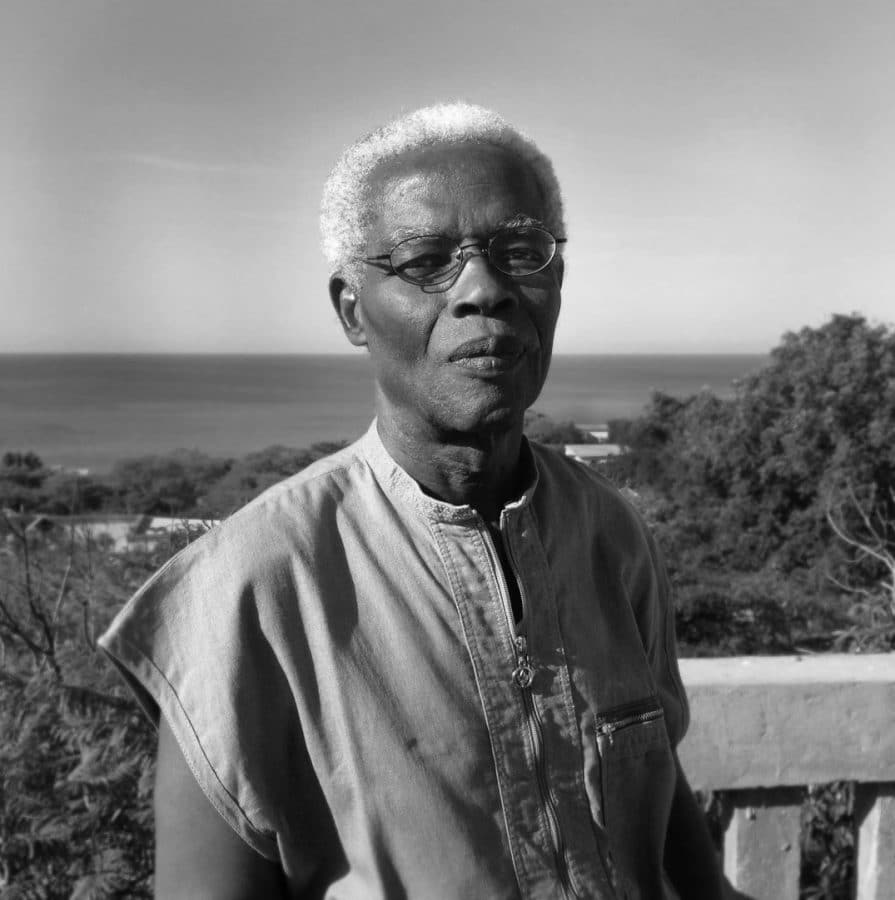
Ayi Kwei Armah | Creative Renaissance
Ayi Kwei Armah is a notable Groton alumnus | Photo Courtesy

“This was the society they had been constructing since Independence, a society where a select few, in collaboration with external interests from Europe, would perpetuate the colonial practice of depriving others of their hard-earned labor, denying them the opportunity to flourish freely in the open air and sunlight.”

The novel’s creative imagination is hindered by Ngugi’s somewhat antiquated Marxist perspective: advocating for mass uprising, the removal of the black bourgeoisie, and the replacement of capitalism with African socialism.

This didactic approach diminishes what could have been his most outstanding work.

Interestingly, Ngugi commenced writing “Petals of Blood” while residing in Evanston, Ill., teaching at Northwestern University, and concluded it in Yalta, where he worked for a period on a Soviet research grant. It is likely his leaning toward Communism that drew the attention of Kenyan authorities, ultimately leading to his detention.

Silencing outspoken writers and critics

Africa’s independent nations seemed to rely primarily on the threat of arrest to silence their outspoken writers and critics. Leaders in many of these nations exhibited an almost paranoid aversion to any form of criticism directed at their governments. For creative African writers, the future increasingly appeared to present only two unpalatable choices: exile or imprisonment.

In some instances, African writers who launched their careers during colonial times, such as Ferdinand Oyono and Mongo Beti from the Cameroons, or Cheikh Hamidou Kane from Senegal, chose to halt their publishing endeavors out of fear of potential reprisals. On the other hand, writers like Legson Kayira from Malawi, Ndabaningi Sithole from Zimbabwe, Camara Laye from Guinea, and Yambo Ouologuem from Mali opted for exile rather than facing the risk of imprisonment in their home countries.

In more extreme cases, several prominent writers from the continent found themselves incarcerated, often without the benefit of a fair trial. This includes figures like Wole Soyinka, the Nigerian playwright and novelist; Rene Philombe, the Cameroonian short-story writer; Kofi Awoonor, the Ghanaian poet and critic; and Senegalese novelist and filmmaker Ousmane Sembene, whose film “Ceddo” was banned by his government.


Also Read: Women’s Rights Activists Accuse Sankok of Promoting Rape Culture


William Shakespeare’s artistic expression was never stifled by authorities. This is why he endures as the unrivaled monarch of creativity worldwide. His contributions have garnered acclaim through the ages. Shakespeare’s influence stems from his command over the dramatic rather than the purely literary realm – he delved into human experience rather than scholarly pursuits.

Labeling him as our greatest poet or writer might be a misrepresentation. At his core, he was a dramatist. 

Drama, as an art form, is most effective and powerful when it reflects and engages with the current time and circumstances. It’s rooted in the here and now, drawing from the experiences, issues, and emotions of the present moment. This immediacy and relevance to the current context are what make drama a vibrant and dynamic form of expression.

Shakespeare’s exploration of themes like inequality, poverty, servitude, slavery, racism, prejudice, and clashes between different cultures continue to resonate profoundly in today’s world. His insights into these enduring human struggles provide a timeless relevance that transcends the specific historical context in which he wrote.

This demonstrates the enduring power and universality of his work.

Even over four centuries after his passing, Shakespeare’s work remains immortalized, and his legacy lives on.

It is high time African governments began to recognize and immortalize creatives like Ngugi wa Thiong’o, Chinua Achebe, Grace Ogot, Chimamanda Ngozi, and Wole Soyinka. By taking this step, their creative legacies will be revered and passed down for generations to come.

By George Ooro a guest contributor for The Kenya Times, and a dedicated Kenyan journalist and corporate media professional with a passion for art critique, digital storytelling, and cross-cultural curation. You can reach him at [email protected]
Tags: AfricaArt and CultureAyi Kwei ArmahNgugi wa Thiong’oShakespeare
Ooro George

Ooro George

Ooro George is a contributor for The Kenya Times. He is a dedicated Kenyan journalist and corporate media professional with a passion for art critique, digital storytelling, and cross-cultural curation. His focus is on refining his skillset and chronicling the authentic narratives of Kenya, and Africa, and is additionally, deeply committed to amplifying voices, creating awareness, and fostering positive change via meticulous research, thoughtful analysis, and compelling storytelling.

Related Posts

Treasury Invites Applications For Board Recruitment Across 39 State-Owned Enterprises

Opinion | How New Taxes on Bank Card Transactions Charges Will Raise the Costs for Ordinary Kenyans if Adopted by Parliament

June 1, 2026
Artificial Intelligence Esther Muoria Is A Seasoned Manager And Phd Holder Appointed By President William Ruto As The Tvet Principal Secretary.

Opinion | AI Mistakes That Could Destroy Kenya’s Future — Global Lessons Every Leader, Business and Citizen Must See Now

May 31, 2026
Health Cs Aden Duale Denies Claims Sha Will Shut Down. Ebola Storm Rages On

Opinion | Kenya Should Think Before Rejecting the Laikipia Ebola Facility

May 31, 2026
Low Wages Squeeze Kenyans As As Computer Misuse And Cybercrimes Act Establishes Penalties For Unauthorized Access To Computer Systems, As Well The Legal Cybersecurity Practices.

Opinion | Why Wage Increases Won’t Fix What’s Broken in Kenya’s Economy

May 29, 2026
ADVERTISEMENT

The Kenya Times Facebook

LATEST ARTICLES

  • Nairobi Mentioned as Trump Cut Number of Embassies in Africa
  • Why Transgender Troops Can Now Serve in the U.S. Military
  • “I Couldn’t Care Less” Trump Responds After Iran Ends Talks With US
  • Jill Biden Reveals Regret Over Joe Biden’s 2024 Run in New Interview
  • Stars Abroad: Moses Shumah, Kenyan Striker Breaking Records in Zambia
  • Doctors Question Transparency of Trump’s Heart Test Results
  • Corazone Aquino: Kenyan Star Named After Philippines’ Former President
  • KMA Reveals How to Know Licensed Doctors After Deadly Kitale Surgery
  • Iran Ends All Negotiations With US, Vows to “Completely” Block the Strait of Hormuz
  • Wise vs Remitly vs Western Union: Best International Transfer in 2026
  • KDF Soldiers Take Charge as Protests Erupt in Nanyuki Over Ebola Quarantine Facility
  • End of an Era as Paris Lounge & Grill Rebrands, Kentwood Address Undergoes Renovation
  • Benny McCarthy Makes Changes to Harambee Stars Squad Days After Unveiling 24 Players
  • Ruto Delivers Weighty Apology During Madaraka Day Speech [FULL TEXT SPEECH]
  • Njeri Maina Explains Why President Ruto Can’t Be Impeached
ADVERTISEMENT

Company

About Us

Our Authors

Our Experts

Social Media

Policies

Privacy Policy

House Rules

Standards and Policies

Terms and Conditions

Subscription

My Account

Contact Us

Contact Us

Join Our Team

Advertise With Us

© Copyright 2026 | The Kenya Times | All Rights Reserved

Welcome Back!

Sign In with Facebook
Sign In with Google
Sign In with Linked In
OR

Login to your account below

Forgotten Password? Sign Up

Create New Account!

Sign Up with Facebook
Sign Up with Google
Sign Up with Linked In
OR

Fill the forms below to register

All fields are required. Log In

Retrieve your password

Please enter your username or email address to reset your password.

Log In
Your Privacy and Cookies
We use cookies on our website to give you the most relevant experience by remembering your preferences and repeat visits. By clicking “Accept”, you consent to the use of ALL the cookies.
Do not sell my personal information.
Cookie settingsACCEPT
Privacy & Cookies Policy

Privacy Overview

This website uses cookies to improve your experience while you navigate through the website. Out of these cookies, the cookies that are categorized as necessary are stored on your browser as they are essential for the working of basic functionalities of the website. We also use third-party cookies that help us analyze and understand how you use this website. These cookies will be stored in your browser only with your consent. You also have the option to opt-out of these cookies. But opting out of some of these cookies may have an effect on your browsing experience.
Necessary
Always Enabled
Necessary cookies are absolutely essential for the website to function properly. This category only includes cookies that ensures basic functionalities and security features of the website. These cookies do not store any personal information.
Functional
Functional cookies help to perform certain functionalities like sharing the content of the website on social media platforms, collect feedbacks, and other third-party features.
Performance
Performance cookies are used to understand and analyze the key performance indexes of the website which helps in delivering a better user experience for the visitors.
Analytics
Analytical cookies are used to understand how visitors interact with the website. These cookies help provide information on metrics the number of visitors, bounce rate, traffic source, etc.
Advertisement
Advertisement cookies are used to provide visitors with relevant ads and marketing campaigns. These cookies track visitors across websites and collect information to provide customized ads.
Others
Other uncategorized cookies are those that are being analyzed and have not been classified into a category as yet.
SAVE & ACCEPT
LOGIN | REGISTER
  • Login
  • Sign Up
  • Cart
No Result
View All Result
  • News
    • Latest News
    • Breaking News
    • Investigations
    • Explainers
    • Fact Check
  • Politics
    • Global Politics
    • Conflicts & Security
    • Elections
    • Diplomacy
    • Government & Policy
    • Political Analysis
  • Business
    • Global Economy
    • Markets
    • Technology
    • Startups
    • Energy
    • Finance
  • World News
    • Americas
    • Asia
    • Asia Pacific
    • Africa
    • Europe
    • Middle East
  • Africa
    • East Africa
    • West Africa
    • Southern Africa
    • Central Africa
  • Health
    • Global Health
    • Public Health
    • Health Policy
    • Medical Research
    • Diseases & Conditions
    • Mental Health
    • Nutrition
    • Climate & Health
    • Health Explainers
  • Sports
    • Athletics
    • Basketball
    • Boxing
    • Cricket
    • Football
    • Formula 1
    • Golf
    • Rugby
  • Weather
    • Climate Business
    • Climate Change
    • Climate Solutions
    • Living Green
  • Culture
    • Arts
    • Film & TV
    • Food
    • Lifestyle
    • Music
    • Travel
  • Opinion
    • Editorials
    • Letters
  • Behind The Brand
  • Contact Us

Not enough quota to unlock this post
Unlock left : 0
Are you sure want to cancel subscription?