When conflict erupts in the Middle East, many Kenyans assume it is a distant geopolitical drama unfolding far from their daily lives. But the disruption of facilities operated by Saudi Aramco—including the massive Ras Tanura oil complex—should serve as a stark reminder: when the Gulf trembles, Kenya feels the shock almost immediately.
Kenya’s economy is tethered to global oil markets in ways that make the country dangerously vulnerable. A shutdown at one of the world’s largest oil facilities sends prices surging across international markets. Within weeks—sometimes days—those spikes appear at fuel pumps across Kenya.
The consequences are predictable and painful. Fuel costs rise. Public transport fares increase. Food prices climb as the cost of moving goods across the country escalates. For millions of Kenyans already battling a brutal cost-of-living crisis, global oil shocks are not abstract economic events—they are a daily financial punishment.
If current market trends persist, petrol prices could easily cross the psychological threshold of KSh 250 per litre. For many households, that would mark yet another tipping point in a long struggle with inflation.
But oil is only one thread tying Kenya to the Gulf.
Kenyans in the Middle East
The deeper, often-overlooked connection lies in the lives of thousands of Kenyan workers in the Middle East. Countries such as Saudi Arabia, the United Arab Emirates, Qatar, and Kuwait have become major destinations for Kenyan migrant labour. From domestic workers and security guards to hospitality staff and construction workers, many Kenyans have sought opportunities in these oil-rich economies.
Their remittances have become a lifeline for families back home.
According to the Central Bank of Kenya, diaspora remittances now rank among the country’s largest sources of foreign exchange—often surpassing earnings from traditional exports such as tea and tourism. While the United States remains the largest source of remittances, the Gulf region contributes a rapidly growing share.
Also Read: Oil Prices to Stay High for Days as Middle East Conflict Disrupts Major Supplier
This creates a troubling paradox.
Kenya depends on the Gulf not only for fuel but also for livelihoods. When oil economies boom, Kenyan workers find jobs and send money home. When geopolitical tensions escalate—threatening oil production, trade routes, and regional stability—the economic consequences can ripple through Kenyan households twice over.
First, due to rising fuel prices.
Second, due to uncertainty in remittance flows.
Dependence on remittance flows
A prolonged conflict in the Gulf could slow economic activity in those countries, disrupt labour markets, or trigger stricter migration policies. Kenyan migrant workers—already vulnerable to exploitation and unstable employment conditions—could find themselves caught in geopolitical crossfire.
And if remittance flows falter, the effects would be devastating.
Across rural Kenya, remittances pay school fees, fund medical bills, build homes, and sustain entire families. In many villages, the money sent from a daughter working in Dubai or a son employed in Riyadh is the difference between survival and poverty.
This uncomfortable reality exposes a deeper structural weakness in Kenya’s economic model.
The country relies heavily on external lifelines—imported oil to power its economy and migrant labour to sustain household incomes. Both dependencies lie largely outside Kenya’s control.
Meanwhile, the ripple effects extend into other sectors.
Take the tea industry. The Middle East remains a key destination for Kenyan tea exports, with markets including Iran and other regional buyers. Any disruption to trade routes or financial systems caused by Gulf instability could hurt exporters and farmers alike.
For tea farmers in regions such as Kericho, global geopolitics may seem remote. Yet their livelihoods depend on the smooth functioning of international trade networks that stretch from African highlands to Middle Eastern markets.
When those networks fracture, rural economies suffer.
Need for structural transformation
The question Kenyan policymakers must confront is simple: how long can the country continue to operate with such fragile economic foundations?
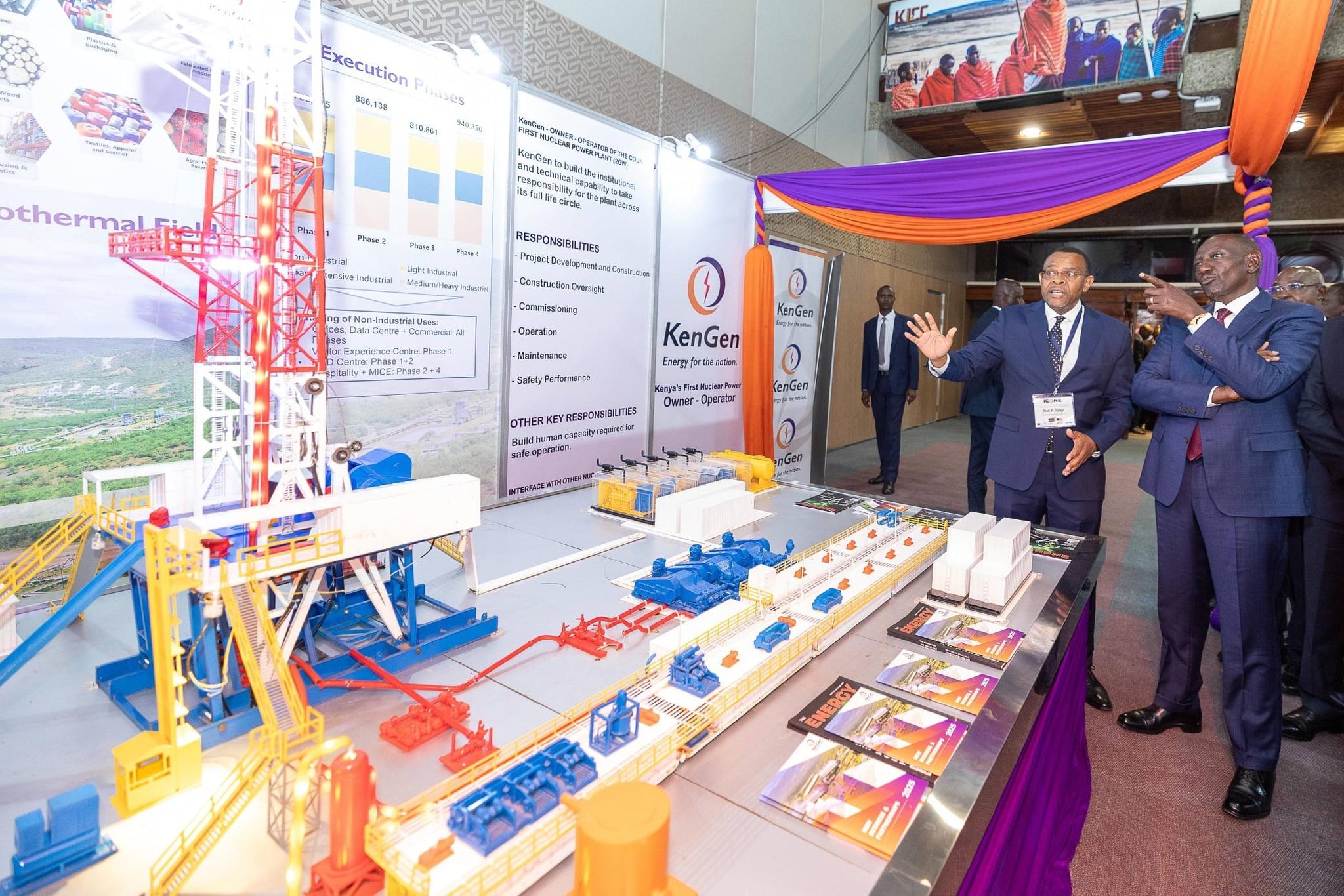
Energy security remains one of the most urgent issues. Kenya has made remarkable progress in renewable electricity, with projects like the Olkaria Geothermal Field and the Lake Turkana Wind Power Project placing the country among Africa’s clean energy leaders.
But these achievements have not yet translated into independence from imported petroleum—particularly in the transport sector.
Also Read: Ruto Speaks on Middle East Crisis After U.S.-Israel Strikes
Cars, buses, trucks, and motorcycles still run overwhelmingly on fossil fuels imported from global markets vulnerable to geopolitical turmoil. As long as this dependence persists, every conflict in oil-producing regions will continue to reverberate across Kenya’s economy.
The government can attempt short-term remedies—adjusting fuel taxes, offering temporary subsidies, or stabilizing prices through regulatory interventions. But these measures treat symptoms rather than causes.
The deeper solution lies in structural transformation.
Kenya must accelerate the transition toward electric mobility, expand renewable energy infrastructure, invest in efficient public transport, and strengthen domestic economic opportunities so that migration becomes a choice rather than an economic necessity.
Until then, Kenya will remain exposed to a double shock every time instability erupts in the Gulf.
One shock at the petrol pump.
Another in the remittance lifeline sustaining millions of Kenyan families.
And that is a dangerous dependence the country can no longer afford to ignore.
Follow our WhatsApp Channel and X Account for real-time news updates.