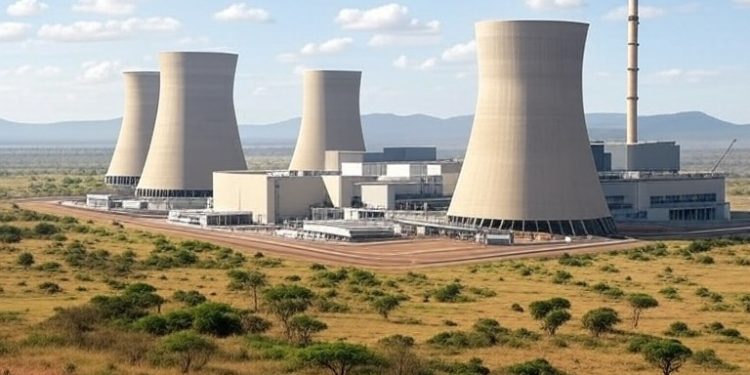
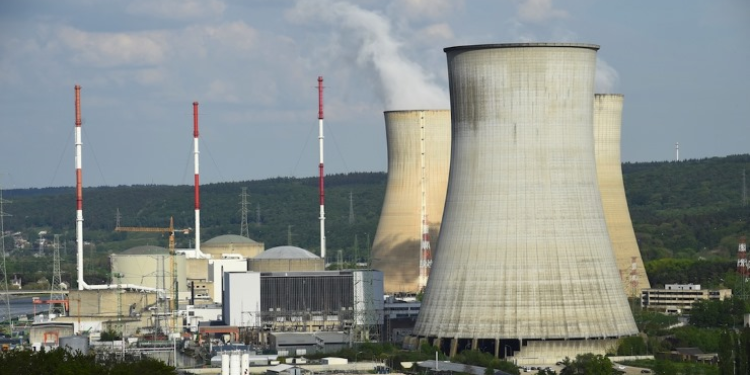
“The question is no longer whether Kenya will pursue nuclear power—but when, where, and how.” Kenya is making one of the most significant energy decisions in its history. While the country has built one of Africa’s cleanest electricity grids—powered largely by geothermal, hydro, and wind energy—the growing demands of the coming decades may require additional reliable power sources.
As Kenya pursues industrialization, expands digital infrastructure, AI, Data Centres, and increases access to electricity, electric vehicle (EV) energy demand is expected to rise substantially. Nuclear power is being considered as one option to help meet that future demand, and the groundwork is already being laid.
A Decision More Than a Decade in the Making
Kenya’s nuclear energy programme did not emerge overnight. It has been shaped through more than a decade of feasibility studies, international cooperation, and long-term energy planning.
Kenya’s energy planning is guided by two key frameworks: the Kenya National Electrification Strategy and the Least Cost Power Development Plan (LCPDP). While the National Electrification Strategy focuses on universal access to electricity through grid and off-grid solutions, the LCPDP identifies nuclear power as a potential long-term baseload source that can provide reliable power around the clock, regardless of weather conditions.
The current target is to commission Kenya’s first nuclear power plant between 2034 and 2036.
The Institutions Behind the Programme
Two key institutions are responsible for advancing Kenya’s nuclear programme.
The Nuclear Power and Energy Agency (NuPEA), established under the Energy Act 2019, is the lead agency responsible for developing the programme. Its work includes conducting feasibility studies, coordinating international partnerships, overseeing site selection, and guiding the project from planning to implementation.
Also Read: Nuclear Energy Debate: An Invented Crisis with billions of casualties
The Kenya Nuclear Regulatory Authority (KNRA) operates independently from NuPEA. Its role is to regulate the sector by ensuring safety, environmental protection, licensing, and compliance with national and international standards.
This separation between the developer and the regulator reflects international best practice and is a requirement of the International Atomic Energy Agency (IAEA).
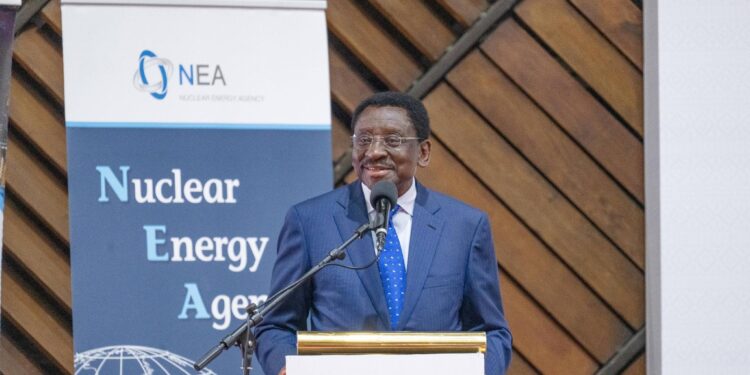
Kenya’s Roadmap to Nuclear Energy
Kenya is following the IAEA’s three-phase Milestones Approach, which provides a structured pathway for countries introducing nuclear power.
Phase 1: Considerations
Assess national readiness and establish the necessary legal, policy, and institutional frameworks. Kenya is currently in this phase.
Phase 2: Preparation
Develop the infrastructure, regulations, workforce, and systems needed before signing contracts for a nuclear power plant.
Phase 3: Construction and Operation
Build, commission, and operate the nuclear power plant.
Kenya has already completed an Integrated Nuclear Infrastructure Review (INIR) mission—an extensive assessment conducted by the IAEA to evaluate a country’s legal, regulatory, financial, technical, and human-resource preparedness for a nuclear programme.
How Does Nuclear Power Generate Electricity?
Many people hear the word “nuclear” and immediately think of radiation or nuclear weapons. However, nuclear power plants are designed for a very different purpose: generating electricity.
The process begins with uranium fuel. Inside a reactor, uranium atoms are split in a controlled process called nuclear fission. This releases a large amount of heat.
That heat is used to produce steam, which turns turbines connected to generators. The generators then produce electricity that can be supplied to homes, businesses, hospitals, and industries.
In simple terms, a nuclear power plant generates electricity in much the same way as a coal, gas, or geothermal plant—the main difference is the source of the heat used to produce steam.
Why Consider Nuclear Energy?
Kenya currently has approximately 3,200 MW of installed electricity capacity. However, projections indicate that demand could exceed 15,000 MW by 2040, driven by industrial growth, the electrification of transport, expanding data centres, and increasing access to electricity.
Renewable energy will continue to play a central role in Kenya’s energy mix. However, some renewable sources depend on weather conditions. Solar power is only available during daylight hours, hydroelectric generation can be affected by droughts, and wind output varies with wind conditions.
Nuclear power offers baseload electricity—steady, reliable power that can operate around the clock, regardless of weather or season.
Also Read: Kenya’s Nuclear Future: The Site, The Technology, and The Questions That Matter
A single 1,000 MW nuclear power plant could provide enough electricity to power millions of homes while helping to stabilise the national grid, reduce reliance on emergency diesel generation, and support energy-intensive industries such as manufacturing and mineral processing.
The Bigger Picture
For Kenya, nuclear energy is about more than electricity generation.
Developing a nuclear programme requires investment in education, research, engineering, regulation, and specialised technical skills. It can help train future generations of engineers, scientists, technicians, and safety experts.
Nuclear technologies also have applications beyond power generation. They are used in medicine for cancer diagnosis and treatment, in agriculture for food preservation and crop improvement, and in water management technologies such as desalination.
Whether Kenya ultimately adopts nuclear power on a large scale or not, the conversation is about preparing for the country’s long-term energy future.
The atom, when safely and responsibly harnessed, is more than a source of electricity—it is a technology with the potential to support broader economic and scientific development.
Follow our WhatsApp Channel and X Account for real-time news updates.