By Lucas Kimanthi
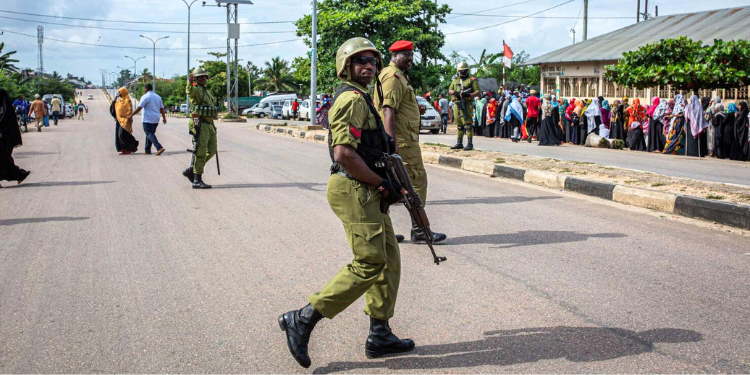
The ghost of post-election violence fed by dictatorship visited Tanzania, the most subtle of the three East African states, last year.
In a country historically known for its meek communities united by the chords of Ujamaa and Ubuntu, the least that was expected was that the government would rise up against its people and massacre them.
The October 2025 elections were inarguably the darkest period in the history of Tanzania since independence.
One of the undoings in Tanzania is governance based on a half-century-old constitution that does not account for the changing sociopolitical dynamics of the modern world.
Though the same underwent minor revisions in 1992 and 2005 to allow for multiparty democracy and inject some human rights-based approach perspectives, it still left room for tyranny.
The loopholes in the constitution and other pieces of legislation are avenues that some leaders, since the departure of Mwalimu Julius Nyerere’s era, have used to govern people based on whimsical and self-gratifying viewpoints.
Tanzania Massacre Report
The once-Ujamaa principles of goodwill and community-needs-inspired leadership were replaced by arrogance, impunity, and graft.
The second shortcoming is the continued overstay in power of the outdated ruling party, the Chama cha Mapinduzi (CCM).
There is one danger in storing new wine in old wineskins, and that is what is happening in Tanzania. While CCM was the party whose relevance and usefulness were a century ago, times have changed, and so have leadership styles and tone.
Also Read: Inquiry Finds More Than 500 People Were Killed in Tanzania Election Violence
Commission of Inquiry
Due to international and domestic pressure, the beleaguered President of Tanzania appointed a domestic Commission of Inquiry to look into the issues that led to the killings of many Tanzanians after the bitterly disputed November elections.
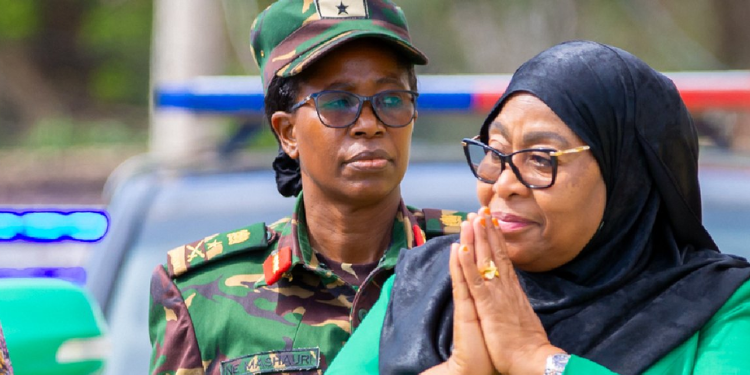
The Commission appointed by President Samia Suluhu had teething problems on two sides. The first was that the membership was entirely an internal mechanism. Most of the members had served the very system they were to scrutinize.
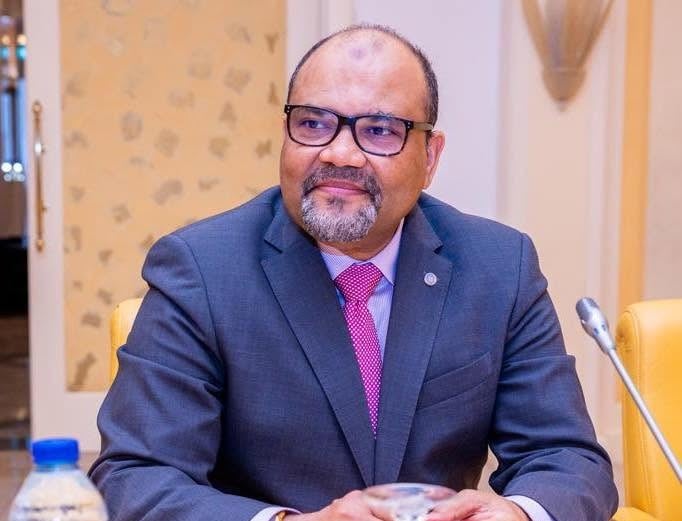
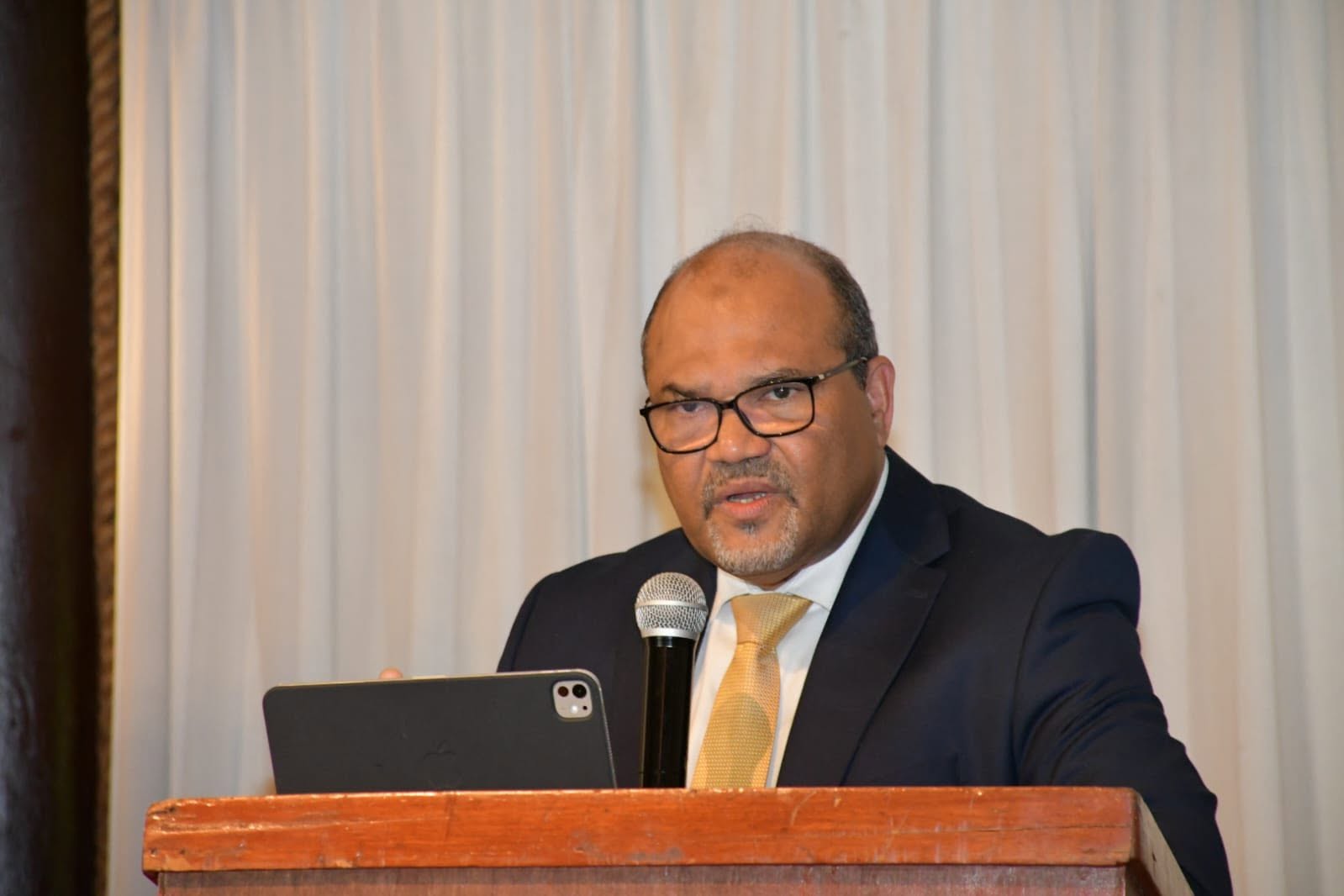
There was fear that they could not investigate their former superiors independently. Tanzanians had a serious trust deficit in the Commission, which was led by retired Chief Justice Mohamed Chande Othman.
The commission’s other members were retired Chief Justice Ibrahim Juma, former Chief Secretary Ombeni Sefue, ex-Inspector General of Police Said Mwema, retired military officer Paul Meela, diplomats Radhia Msuya and David Kapya, and former SADC Executive Secretary Stergomena Tax. At some point, the senior lawyers also challenged the establishment of the Commission, citing irregularities.
Also Read: 15 Western Powers Ask Suluhu to Release Bodies of Protesters Hidden by Tanzania Govt
However, on April 23, 2026, the Commission released the report containing its findings. While the civil society and independent sources placed the killings at more than 2,000, the Commission said it could only verify 518. However, they acknowledged that the number could be higher.
While the Commission may not have combed through the information and data available despite two extensions, the fact that they placed the figure of fatalities at over 500 is proof that a massacre took place.
Two things, therefore, need to be done immediately.
The first thing is to invite independent investigators to carry out further investigations, sift through all the available information, and verify all the cases. On the same breath, since this borders on crimes against humanity, invite investigators from the International Criminal Court (ICC).
The second phase should be indicting the responsible persons who planned and ordered the killings of innocent people, who, according to Human Rights Watch, were mere bystanders, women and children not involved in the violence.
The African Union must, this time round, not shield one of its buddies’ club members.
Lucas Kimanthi is an Assistant Director at the Kenya National Commission on Human Rights (KNCHR). He, however, writes in his personal capacity. Contacts: [email protected], www.lucaskimanthi.co.ke.