Kenya’s educational progress is widely celebrated with rising enrolments, expanded access, and a growing workforce. But in North Eastern Kenya, particularly in Garissa, Wajir, and Mandera counties, the promise of education is slipping through our fingers. The culprit? A persistent cycle of insecurity has driven teachers from classrooms and left learners without the consistent instruction they deserve.
The human toll of this crisis is most evident in recent headlines. On 26 January 2026, a non-local teacher was killed in a suspected Al-Shabaab attack in Ijara, Garissa County. This attack followed similar violence in Ijara and Hulugho, and builds on a long history of brutality that includes the Mandera bus massacre, the Garissa University College attack, and waves of targeted killings that have repeatedly shaken teacher morale. The message to educators has become chillingly clear: your life is at risk.
Teachers are not just symbols of the state; they are the heartbeat of learning. When they are absent, classrooms echo with silence where there should be engagement, questioning, and discovery. And the data bears this out. National assessments of foundational literacy and numeracy, including regional findings from USAWA, consistently place counties such as Mandera at the bottom of the performance ladder. A large number of Grade 3 and 4 learners in the region cannot read a grade-appropriate passage or solve simple mathematical tasks, even after years of schooling. Learning loss is not abstract; it is measurable.
Also Read: Report Reveals Distribution of Teachers and Headteachers Countrywide
Worse still, the region’s learners continue to lag behind in national examinations. Over the past two years, exam results from North Eastern schools have trailed the national average by wide margins. Part of this gap reflects socioeconomic factors and historical marginalisation. But a central and preventable factor is the teacher shortage.
Teacher insecurity and shortage
Since 2013, insecurity has repeatedly driven non-local teachers to request transfers or abandon assignments altogether. Thousands of educators have sought redeployment; many schools operate with one teacher where five or more are needed. Learners in understaffed schools receive far fewer instructional hours, less curriculum coverage, and weaker exam preparation.
The impact of teacher shortages and insecurity is well-documented globally. In insurgency-affected regions of Nigeria, prolonged school closures and threats against teachers have left generations with limited literacy and numeracy, and wide gaps in learning outcomes compared to more secure regions. In Somalia, decades of conflict have fragmented the education system, deepening inequality and limiting opportunities. These are not distant lessons — they are warnings. Where teachers are unsafe, education falters.
Education economists and practitioners alike agree: continuity matters. A stable teacher in front of a class significantly improves learning outcomes; frequent turnover and shortages depress student achievement, reduce school engagement, and increase dropout rates. In northeastern Kenya today, the shortage of teachers is a direct driver of poor foundational learning and underperformance in national exams.
Address the situation holistically
This crisis demands urgent action. The government must move beyond reactive responses and adopt a comprehensive strategy to protect teachers and stabilise education in insecure areas. First, teacher deployment policies must be tied to real-time security assessments, with swift, humane transfers for those in high-risk postings. Second, schools must receive enhanced security support—from infrastructure to rapid-response units—to reassure educators that their safety is a priority. Third, psychological and professional support for teachers working in high-stress environments must be prioritised.
Also Read: Why Grade 10 Implementation Must Be Rescued Urgently Before CBE Collapses
Local leaders also have a vital role. Community elders, county officials, and civic groups must declare schools sacred spaces that merit collective protection. Education is in everyone’s interest; when a school falters, the whole community loses.
Safe teachers are not a luxury. They are a fundamental condition of learning. Without them, classrooms are empty shells, syllabi go unfinished, and children are left behind academically and economically. Kenya has committed to universal quality education, but commitments are only meaningful if teachers can teach without fear.
The children of North Eastern Kenya deserve more than headlines and condolences. They deserve safe schools, stable teachers, and real opportunities to learn. The time to act is now.
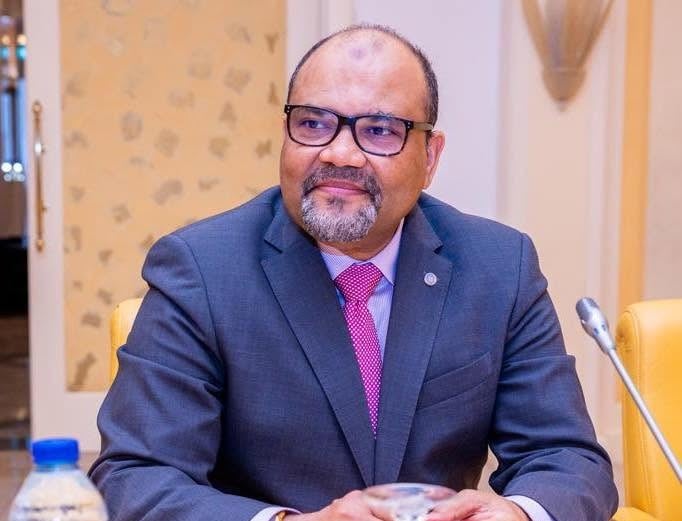
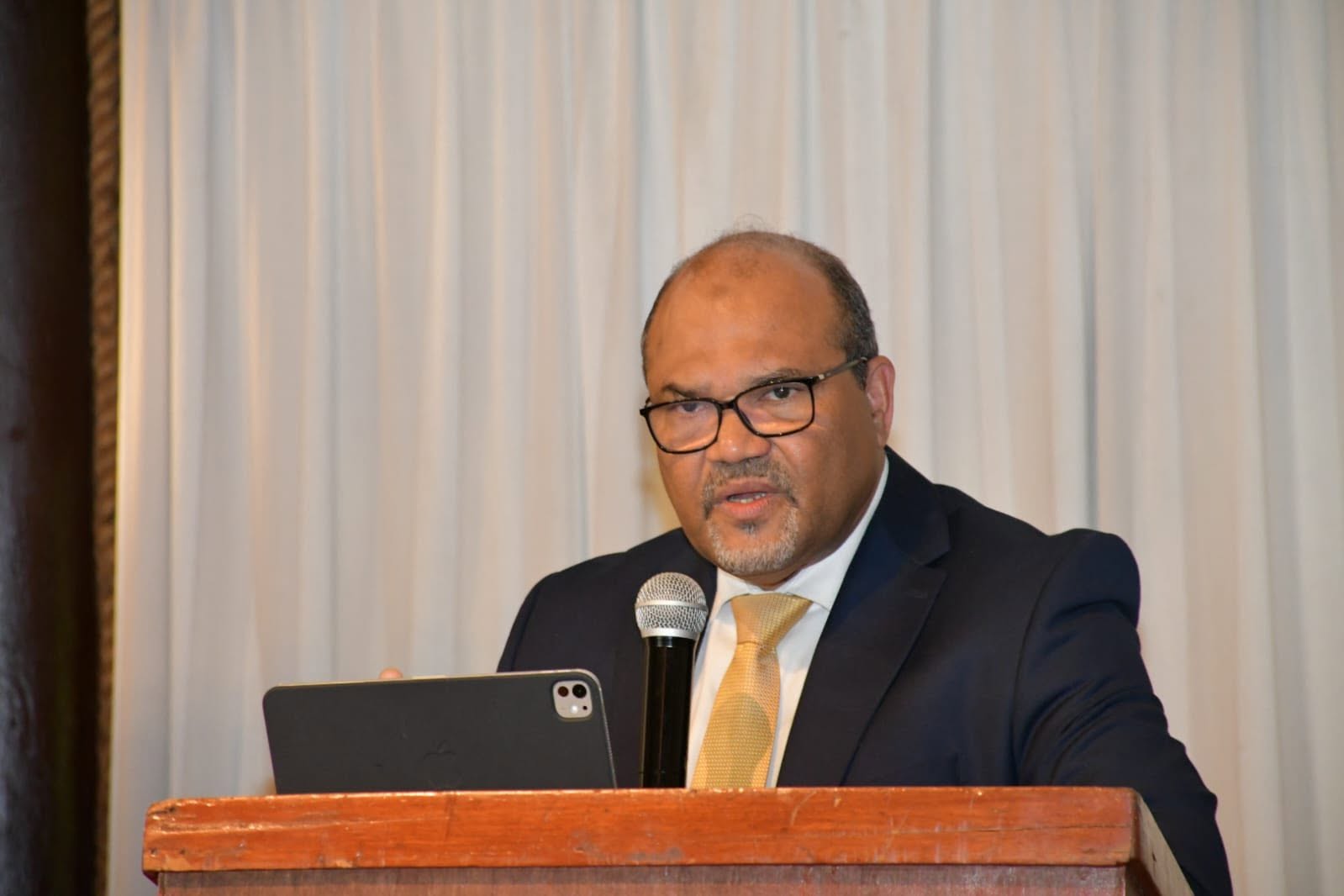
This article was written by Farah Abdimalik, a Researcher in the Education and Youth Empowerment unit at the African Population and Health Research Center (APHRC) and a PhD candidate in Education at Kenyatta University.