Pastoralist Communities and minorities across Kenya have remained on the margins of national development despite contributing greatly to the country’s economy, culture, and stability. The story has often been the same for the Maasai, Samburu, Turkana, Rendille, Borana, Gabra, Pokot, Somali, El Molo, Ogiek, Endorois, Teso, and many other minority communities. These regions experience abject poverty amidst vast resources, inadequate schools, poor infrastructure, limited healthcare, and exclusion from key national decision-making processes.
Kenya’s 2010 Constitution introduced devolution, equitable sharing of resources, and the Equalization Fund to uplift marginalized regions. While important progress has been made, many pastoralist and minority communities continue to lag national averages in education, income levels, access to water, healthcare, and employment opportunities at the national level.
The Democracy for the Citizens Party (DCP) offers these communities an opportunity to move from the periphery to the center of power by uniting politically and forming a government that truly represents the ordinary citizen.
The Power of Unity
Pastoralist and minority communities occupy more than two-thirds of Kenya’s land mass. They are spread across counties of Kajiado, Narok, Nakuru, Baringo, Laikipia, Samburu, Marsabit, Turkana, Teso North and South Constituencies (Busia County and Trans Nzoia), Mandera, Wajir, Isiolo, Garissa, Taita Taveta, Lamu, and Parts of Kwale County and collectively constitute millions of citizens. Yet their political influence has often been diluted by division, regional competition, and alignment behind leaders whose priorities do not reflect their interests.
DCP offers a platform through which these communities can speak with one voice and transform their demographic strength into political bargaining power. A united political movement would ensure that national policies, budgets, and development priorities directly address the needs of marginalized regions.
Political power is not merely about occupying offices. It is about determining where roads are built, where universities are established, where industries are located, and how national resources are distributed.
Economic Transformation for Pastoralist Communities
Poverty remains one of the greatest challenges facing pastoralist communities. Many families depend on livestock (camels, cows, sheep, goats), yet perennial droughts, inadequate markets, poor roads, and limited value-addition industries continue to suppress economic growth across these regions.
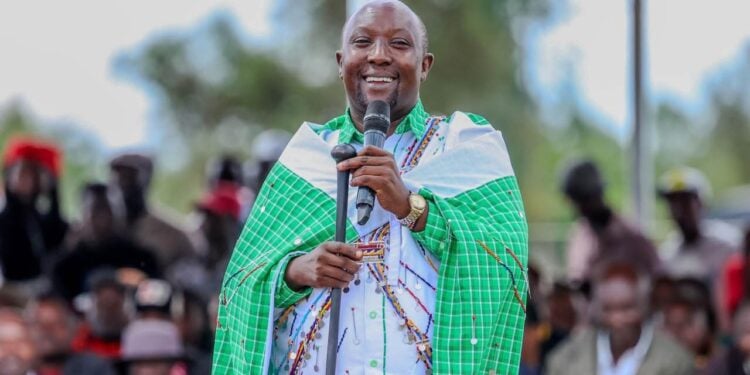
Also Read: Poll Shows Gachagua on the Verge of Overtaking Ruto Through DCP Party
Should the Democracy for the Citizens Party form Government, we shall prioritize:
- Modern livestock markets and export facilities.
- Investment in irrigation and climate-resilient agriculture.
- Expansion of water infrastructure in arid and semi-arid lands.
- Establishment of meat processing and leather industries within pastoral regions.
- Improved road networks linking remote communities to national and international markets.
- Special economic programs targeting marginalized counties.
Such investments would transform pastoralism from a survival strategy into a thriving modern economic sector capable of generating wealth and employment for millions.
Education, Equalization Fund and Devolution
No single community can escape poverty without quality education. Unfortunately, many pastoralist areas continue to experience shortages of schools, teachers, learning materials, and higher education institutions.
A Democracy for the Citizens Party government shall increase funding for schools in marginalized regions.
Education is not merely about literacy. It is about producing future governors, judges, doctors, engineers, professors, entrepreneurs, and presidents from communities that have historically been excluded from positions of influence.
One of the most transformative provisions of the 2010 Constitution was the creation of the Equalization Fund under Article 204. The Fund was intended to provide basic services such as water, roads, health facilities, and electricity to marginalized areas.
However, bureaucratic delays, inadequate allocations, and implementation challenges have prevented the Fund from achieving its full potential. The government of Kenya shall ensure that the Equalization Fund is more than a constitutional promise; it must become a visible reality in every village, settlement, and town across Kenya’s marginalized regions.
Our Constitution recognizes that development is best achieved when decisions are made closer to the people. Devolution has already transformed many counties by improving access to healthcare, infrastructure, and local governance; however, systemic corruption and a lack of proper accountability have been the main hindrances to realizing development.
Our party believes that devolution should be strengthened rather than weakened. More resources should be transferred to counties, and county governments should be empowered to design solutions tailored to local grassroots realities.
For pastoralist communities, devolution means that development priorities are determined by the people who understand the challenges on the ground rather than distant bureaucrats in Nairobi.
Land Rights, Culture and the Way Forward
Land in pastoralist and minority communities is more than an economic asset. It is a source of identity, culture, heritage, and survival.
A DCP government would protect community land rights, strengthen legal safeguards against unlawful dispossession, and ensure that local communities benefit fairly from natural resources found within their regions.
Development must never come at the cost of cultural extinction. Kenya’s diversity is one of its greatest strengths and should be celebrated and protected.
Also Read: How to Join DCP Party, Membership Requirements, and Charges
The Democracy for Citizens Party offers more than a political vehicle; it offers a new social contract founded on inclusion, dignity, fairness, and equal opportunity.
The Constitution of 2010 opened the door to a more equitable Kenya. The task before pastoralist communities and minorities is to walk through that door together and claim their rightful place in shaping the nation’s future.
When marginalized communities unite, they cease to be spectators in national affairs and become architects of their own destiny.
The future belongs to those who organize, participate, and lead. Through unity, political empowerment, quality education, economic transformation, and the full realization of constitutional guarantees such as the Equalization Fund, pastoralist communities and minorities can build a Kenya where no citizen is left behind.
The time for pastoralist and minority communities to be included and united, and for leadership, is now. This shall be achieved through joining the Democracy for the Citizens Party.
About the Author
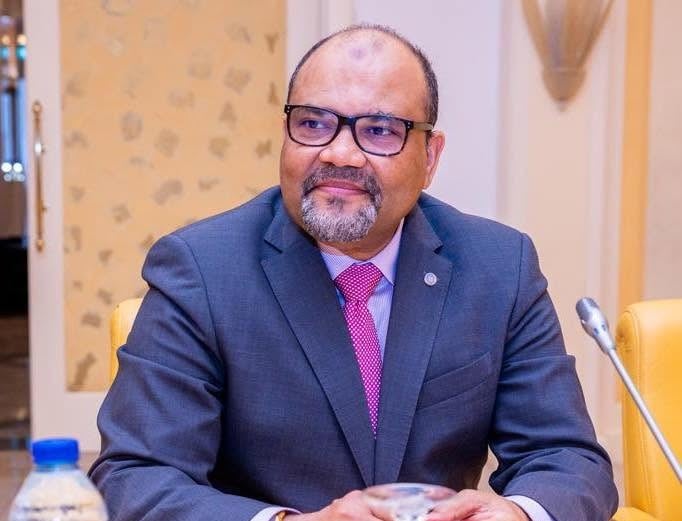
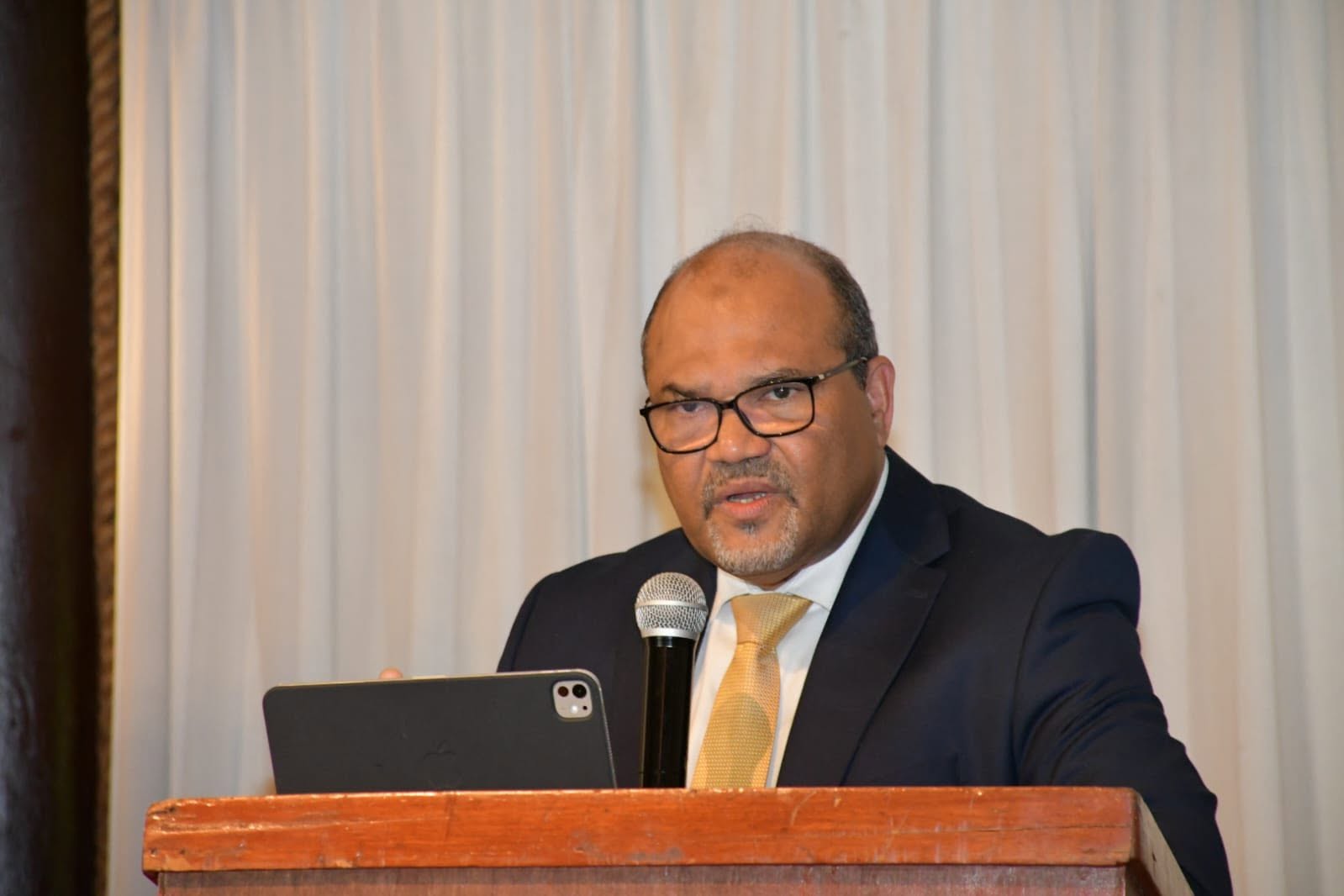
This article was written by Hon David Parseina, a management and Strategy Expert. He holds an MBA and a BSc. Mathematics from The University Of Nairobi. He is currently the National Chairperson of the Democracy for Citizens Party (DCP).
Follow our WhatsApp Channel and X Account for real-time news updates.