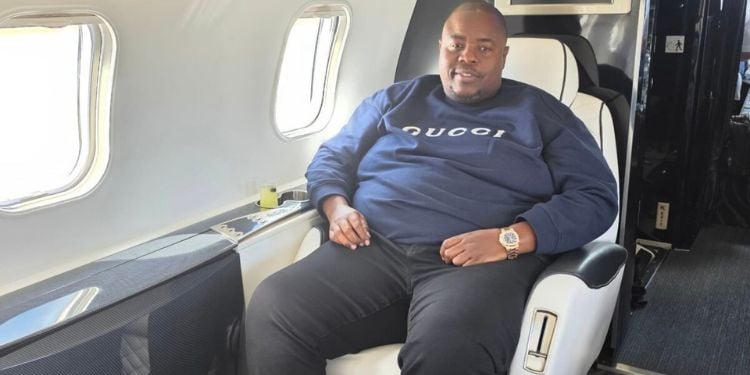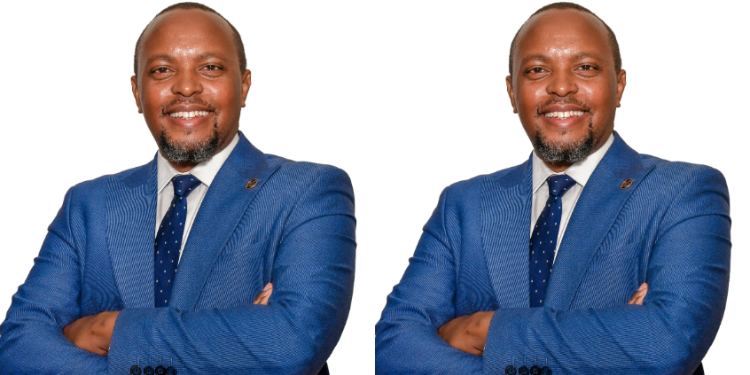
Wicknell Chivayo, the Zimbabwean tycoon known for his government-linked business deals, luxury lifestyle, and high-profile relationships across Africa, died on September 30, 2026, in a helicopter crash in Marondera, Zimbabwe.
Chivayo, who was 43, was traveling with his wife, Lucy Muteke, when the helicopter crashed in the Marondera Rural area, east of Harare. Zimbabwean authorities confirmed that the aircraft had no survivors, while Chivayo’s family confirmed that he and his wife were among those who died.
His death came as he had built a business profile spanning energy, infrastructure, procurement, communications and transport across Zimbabwe and other African countries.
Wicknell Chivayo publicly described himself as a centi-millionaire worth more than US$100 million. In 2026, he also said his businesses held contracts worth more than US$9 billion across Africa.
The value of contracts held by his companies is distinct from his personal wealth, as contract values do not represent cash received, profits, or personal assets.
How Wicknell Chivayo Built His Wealth
Chivayo said his core business was securing government tenders with foreign partners in renewable energy, engineering, procurement, construction, and power projects.
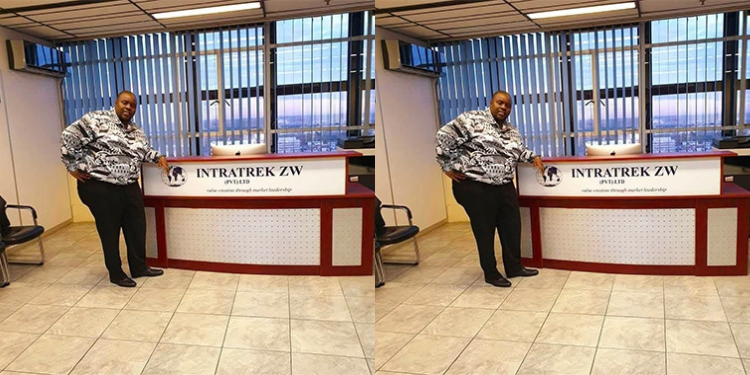
His main business vehicle was Intratrek Zimbabwe (Private) Limited, which he founded and led as managing director. The company secured major government-linked energy and infrastructure contracts in Zimbabwe.
Chivayo’s business growth was closely associated with state institutions and political circles. Critics questioned the influence of political connections on his access to public contracts, while Chivayo maintained that his wealth came from legitimate business activities.
Major Zimbabwe Energy Deals
Intratrek was awarded the Gwanda Solar Project in Matabeleland South, initially valued at about US$172 million. The project involved the construction of a 100MW solar plant.
Implementation stalled amid disputes involving Intratrek and the Zimbabwe Power Company, which had paid more than US$5.6 million for preliminary work. In September 2026, work on the project resumed following a formal Notice to Proceed, with completion targeted within 24 months.
Intratrek was also involved in the Munyati Power Station refurbishment, valued at about US$163 million.
Other major projects associated with Chivayo’s companies include the Gairezi Hydroelectric Project, valued at about US$128–131 million, and the Harare Power Station refurbishment, valued at about US$73 million.
An earlier solar contract was valued at about US$5.8 million.
Together, the Zimbabwe energy projects account for close to US$1 billion in contract value. That figure does not represent Chivayo’s personal fortune because contract awards, project costs, financing, revenue and profits are separate financial measures.
Zimbabwe Election and Supply Deals
Chivayo’s companies also became involved in contracts covering election materials, security, internet connectivity, electricity connections, cancer treatment and general supplies.
One of the most prominent controversies involved Ren-Form CC, a Johannesburg printing company associated with Chivayo.
Ren-Form received more than R1.1 billion from Zimbabwe’s Treasury for election materials, while more than R800 million allegedly flowed into accounts linked to Wicknell Chivayo.
In July 2026, South Africa’s Directorate for Priority Crime Investigation, commonly known as the Hawks, said it was not investigating Chivayo over the allegations. South Africa’s Financial Intelligence Center also clarified that it provides financial intelligence and does not conduct criminal investigations.
Chivayo’s Business Interests in Kenya
Wicknell Chivayo expanded his business interests into Kenya through IMC Construction Kenya.
In June 2026, the company joined a Chinese-led consortium planning the expansion of Jomo Kenyatta International Airport. The proposed investment was valued at US$2.9 billion, equivalent to about KSh375 billion.
The Kenyan government later rejected claims that Chivayo’s company had been awarded the JKIA expansion contract and placed the value of the planned project at about KSh154 billion.
Also Read: Wicknell Chivayo: Zimbabwean Businessman and Ruto’s Buddy at the Center of KSh375 Billion JKIA Deal
Chivayo also announced a partnership with China’s Chint Group for energy infrastructure projects in Kenya and Tanzania. The partnership was valued at US$2.5 billion.
Tanzania Hotel Projects and South Africa Medical Supply Bid
IMC Construction was also involved in the development of two five-star hotels in Tanzania’s Serengeti and Ngorongoro regions.
The two projects had a combined value of about US$200 million, adding hospitality to Chivayo’s expanding interests in infrastructure and construction.
Wicknell Chivayo was linked to TTM Global Medical Exports (Pvt), a company that submitted a bid to supply more than US$400 million worth of medical drugs and equipment to the Zimbabwean government.
The proposal represented another area of his business activity beyond energy and infrastructure.
Eswatini Solar Project, Communications and Other Interests
In June 2026, Wicknell Chivayo received Eswatini citizenship and a diplomatic passport from King Mswati III.
He subsequently announced plans for a 300MW solar project in the kingdom, further expanding his energy interests in Southern Africa.
Chivayo’s business interests extended into communications, petroleum, logistics, transport and renewable energy.
In late 2024, his company IMC Communications was licensed as a partner for Elon Musk’s Starlink satellite internet service in Zimbabwe.
Also Read: Kenya Rejects Zimbabwean Billionaire Wicknell Chivayo’s Links to JKIA Upgrade
His wider business footprint covered Zimbabwe, Kenya, Tanzania, South Africa, Uganda and Eswatini.
A Business Empire Built Around Major Deals
Chivayo’s business career was defined by large infrastructure and energy projects, many of them involving government institutions.
His companies secured contracts running into hundreds of millions of dollars, while his personal wealth became a prominent part of his public image.
He also became known for displaying expensive cars, private aviation and high-profile relationships with political, religious, sporting and entertainment figures.
Chivayo’s death on September 30 brought an abrupt end to the career of a businessman whose name had become closely associated with major public contracts, ambitious energy projects and an increasingly international African business footprint.
Follow our WhatsApp Channel and X Account for real-time news updates.