Three leading AI developers released new models in the past week, shifting emphasis from raw performance to lower operating costs for business users.
OpenAI, Meta, and SpaceXAI each highlighted token efficiency and pricing as key features amid growing corporate concerns over AI spending.
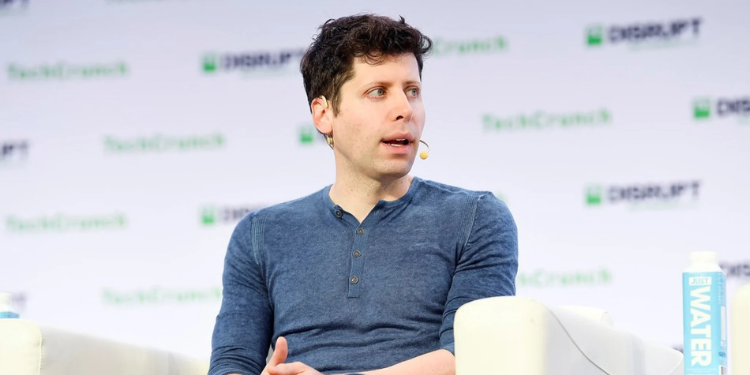
OpenAI introduced GPT-5.6, which processes more tasks with fewer tokens. CEO Sam Altman told CNBC the model delivers 54% better token efficiency on agentic coding tasks compared to prior versions.
The company positioned it as competitive on capability while addressing enterprise demands for controlled expenses.
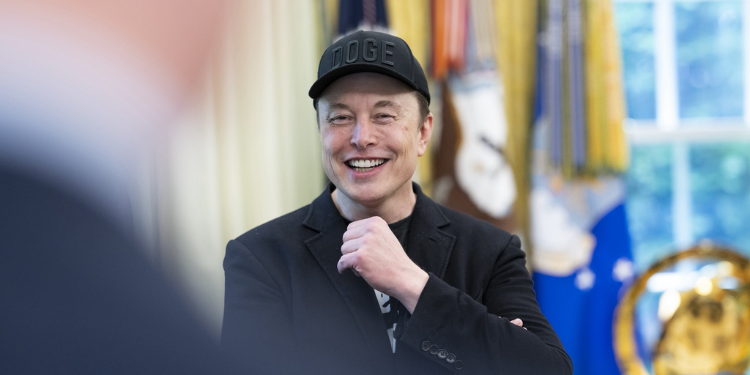
SpaceXAI launched Grok 4.5, which Elon Musk described on social media as an Opus-class model that is faster, more token-efficient, and lower cost than rivals.
Meta rolled out Muse Spark 1.1, with CEO Mark Zuckerberg stating the company aims to offer frontier-level intelligence at more affordable rates, leveraging its advertising revenue for aggressive pricing.
Also Read: OpenAI CEO Sam Altman’s San Francisco Home Targeted in Molotov Attack
Businesses Rein In AI Budgets After Early Overuse
Companies initially encouraged broad AI adoption, but many now face substantial bills. Executives reported monthly costs reaching millions of dollars for models from OpenAI and Anthropic.
Gautier Cloix, CEO of AI startup H Company, described conversations with executives surprised by invoice totals. Gil Luria, head of technology research at DA Davidson & Co., said firms are now questioning efficiency as costs climb.
This environment forces developers to deliver more value without eroding the returns needed to recover investments in chips and data centers.
OpenAI added credit analytics and spending controls last month. Altman noted that enterprises now evaluate spend against delivered value. Meta plans to undercut what Zuckerberg called extreme pricing and high margins from other labs.
Efficiency Gains Target Enterprise Needs
Token efficiency measures how much work a model completes per unit of data processed. OpenAI’s GPT-5.6 family includes tiers designed for different cost-performance balances.
SpaceXAI claimed Grok 4.5 offers twice the efficiency of comparable models. Meta’s entry targets coding and agentic workflows with competitive rates.
Also Read: Elon Musk Merges SpaceX and XAI to Build Space-Based Data Centers
These releases come as Chinese developers like DeepSeek provide open models that handle routine tasks at lower prices. While they trail U.S. frontier models in some benchmarks, they meet many daily requirements.
Model routing platforms, such as OpenRouter, let users switch between hundreds of options automatically for optimal cost. OpenRouter raised over $100 million in May to meet demand.
Pressure Mounts on High-Cost Leaders
The focus on pricing increases pressure on Anthropic, whose models rank among the most expensive per task according to Artificial Analysis benchmarks. Musk directly contrasted Grok 4.5 with Anthropic’s offerings.
Industry observers see this week’s launches as part of a broader pricing adjustment after years of rapid capability gains funded by large capital raises.
Developers must navigate a balance. Significant cuts risk undermining the economics of frontier model training, which requires enormous compute resources. At the same time, sustained high prices could drive customers to cheaper alternatives or in-house solutions.
For now, the message from OpenAI, Meta, and SpaceXAI is clear: intelligence at lower cost is the new competitive arena.