There are few sports that have undergone a more transformative formation in recent history than Kenya. The African nation has made no secret of its ambition to become the next big player in international horse racing, following in the footsteps of Japan, which came close to having a winner on the Kentucky Derby past winners list in 2024 when Forever Young finished third.
Kenya has always had a passion for horse racing, but its somewhat unorganized approach has shifted in recent years, encouraging runners from across the continent to travel in the hope of winning big prize money.
But what are some of the biggest changes to the sport in the region, and what are some of the notable events that promise to only grow bigger over the coming years?
Early History
The roots of horse racing in Kenya can be traced back to the early 20th century. However, during this period, it was largely regarded as a sport for the elite.
One of the first racetracks opened in 1954, when Ngong Racecourse welcomed the public for the first time. The track is operated by the Jockey Club of Kenya, which sets prize money and dates for big events on the calendar.
When Are The Horse Racing Seasons in Kenya?
The biggest shifts in horse racing across the nation have come in recent years, with a greater emphasis on a structured calendar to reward those who perform at the highest level. Typically, horse racing is staged at Ngong on alternate Sundays, with a total of 25 meetings held annually.
A dry season runs between October and March, with these ranking among the most popular for visitors due to the weather conditions. A wet season is also part of the schedule, running between April and September, when horses with proven form on heavy ground excel.
What Are The Biggest Races?
One of the biggest dates in the diary for fans of horse racing in the country is the Kenya Derby. This prestigious race is held annually in April, with the best three-year-old horses in the nation competing.
However, due to the desire of the nation to make its name on the global stage, a number of fresh events have been added to the schedule. Among these is the Civil Service Gold Cup. This is run at the end of March.
Unlike other events on the schedule, this is a race day tailored for newcomers to the sport, featuring pop-up markets and post-race concerts that appeal to a wider demographic.
Strides Taken on Global Stage
Appealing to a broader demographic is essential for Kenya to compete with some of the world’s leaders on the global stage. The sport has made huge strides, with these evident during the 2025 Day of Champions.
Michael Fundi’s emergence as a household name has been a pioneer, with the 20-year-old named champion jockey at the conclusion of the Day of Champions, becoming the youngest rider to achieve that feat in over ten years.
The success of the season finale has raised excitement levels for the future, with three of the seven winning trainers at the meet being black, and ten of the 13 jockeys. This only shows the strides made, which have altered the perception of its history as mainly a white sport during the colonial era.
Continued Evolution
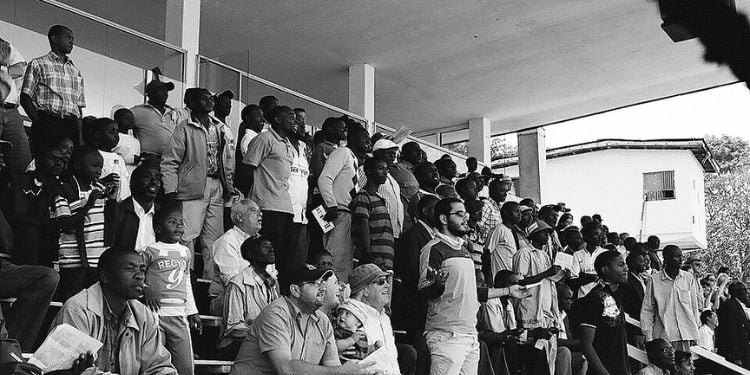
With major events regularly held throughout the season, the sport continues to grow year on year. A new generation is being brought into the sport, not only among those directly involved but also among those passing through the gates.
While not all visitors will be passionate fans of the sport, the inclusion of other raceday events such as live music and food stalls ensures that a day at the races gains the mainstream appeal.
Themed events have also been extremely popular with visitors, with events such as the Chinese New Year celebrations at Ngong bringing together diverse crowds to the track.
What Could the Future Hold?
The early steps in the sport’s recent development have been incredibly positive, with huge numbers of people attracted to Ngong on major race days. However, important barriers will need to be overcome to ensure its long-term future.
At the top of the priorities for the Jockey Club is sponsorship. Inconsistent prize money has been a problem throughout Kenyan racing history, and this could be an issue in attracting the best in class if the prize funds aren’t deemed lucrative enough. Another major issue that needs to be addressed is the betting tax.
Government involvement through betting taxes has hindered the sport in the past, negatively impacting the Jockey Club’s revenue and turnover. Therefore, the sport will continue to thrive only with the support of the national government.