Iran’s Judiciary has called for faster handling of cases against people accused of collaborating with the country’s adversaries, urging swift verdicts that could include executions and asset confiscations.
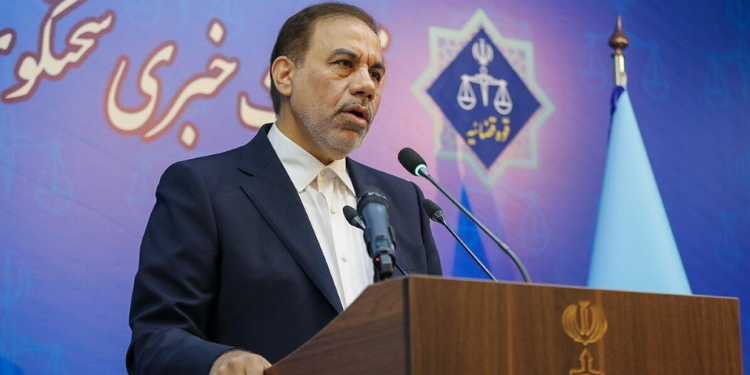
Iran’s Judiciary Chief, Gholamhossein Mohseni Ejei, said courts should not delay issuing or carrying out verdicts in such cases, stressing that leniency was not an option.
“We must not delay or show leniency in executing final verdicts against those who, during wartime and unrest, committed crimes and were affiliated with the aggressor enemy,” state‑linked Tasnim news agency quoted the Judiciary Chief.
His remarks, delivered during a meeting with members of the Supreme Council of the Judiciary in Tehran, came as Iranian authorities intensified arrests following U.S. and Israeli strikes.
Police chief Ahmadreza Radan has reported detaining hundreds of people accused of espionage, providing targeting information, or sending footage to foreign outlets.
Arrests After U.S. and Israeli Strikes
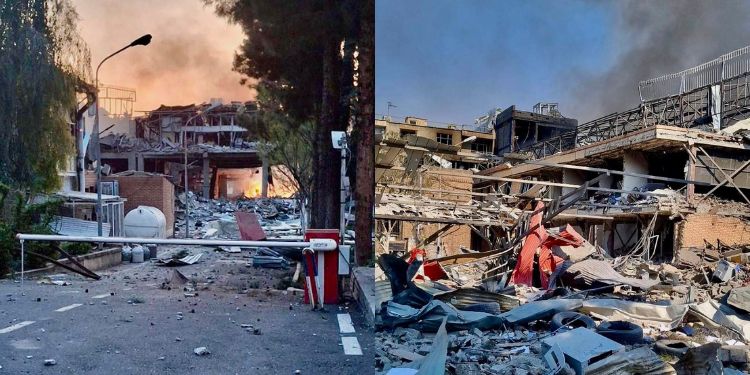
Ejei’s comments come amid a widening wave of arrests across Iran following recent U.S. and Israeli airstrikes on Iranian territory on February 28, which killed senior Iranian leaders and triggered the most direct military confrontation with its adversaries in years.
Iran has said hundreds of people have been detained over the past weeks on suspicion of espionage, sabotage, or cooperating with foreign intelligence services.
Also Read: Iran Warns of Severe Consequences if Trump Proceeds with Plan to Bomb Entire Country
The Intelligence Ministry has publicly claimed that several alleged spy networks were uncovered in multiple provinces, accusing detainees of providing targeting information, sharing images with foreign media, or assisting Israel and the United States during the conflict.
Police chief Ahmadreza Radan said in recent statements that suspects had been arrested for “sending information to the enemy” and undermining national security.
Iran Expands Espionage Laws and Wartime Powers
Under Iranian law, collaboration with hostile states can carry severe penalties, including execution and confiscation of property.
The country’s parliament has expanded espionage statutes, broadening the definition of cooperation with foreign enemies and increasing penalties for offenses related to national security.
Judiciary chief Gholamhossein Mohseni Ejei has repeatedly argued that delayed verdicts undermine the system’s effectiveness against threats.
In line with his earlier instructions during periods of protest and external conflict, he has emphasized the need for swift action, stating there must be “no leniency or delay” in executing final verdicts against those affiliated with the aggressor enemy during wartime and unrest, according to Tasnim news agency.
Also Read: Israeli Military Destroys Iranian Aircraft at Three Tehran Airports
Human Rights Concerns
Amnesty International has expressed alarm over Iran’s push for faster trials in national security cases, warning that such expedited proceedings often fail to meet fair trial standards.
In a statement reviewing similar calls for rapid justice in espionage-related cases, Amnesty International’s Deputy Director for the Middle East and North Africa, Hussein Baoumi, said:
“Official calls for expedited trials and executions of those arrested for alleged collaboration with Israel show how the Iranian authorities weaponize the death penalty to assert control and instill fear among the people of Iran.”
The group has previously documented concerns about the use of vague national security charges, closed-door trials, restricted access to lawyers, and reliance on confessions that may be obtained under pressure in cases leading to capital punishment.
Periods of external military pressure on Iran have historically been accompanied by intensified domestic arrests and executions, according to monitoring by international observers.
The UN has also warned that periods of external military pressure on Iran have historically coincided with intensified domestic repression, including mass arrests and executions, particularly of political dissenters, ethnic minorities, and foreign nationals.
Iran has denied such allegations, insisting that all cases are handled in accordance with the law and that those facing severe penalties have committed serious crimes against the state.