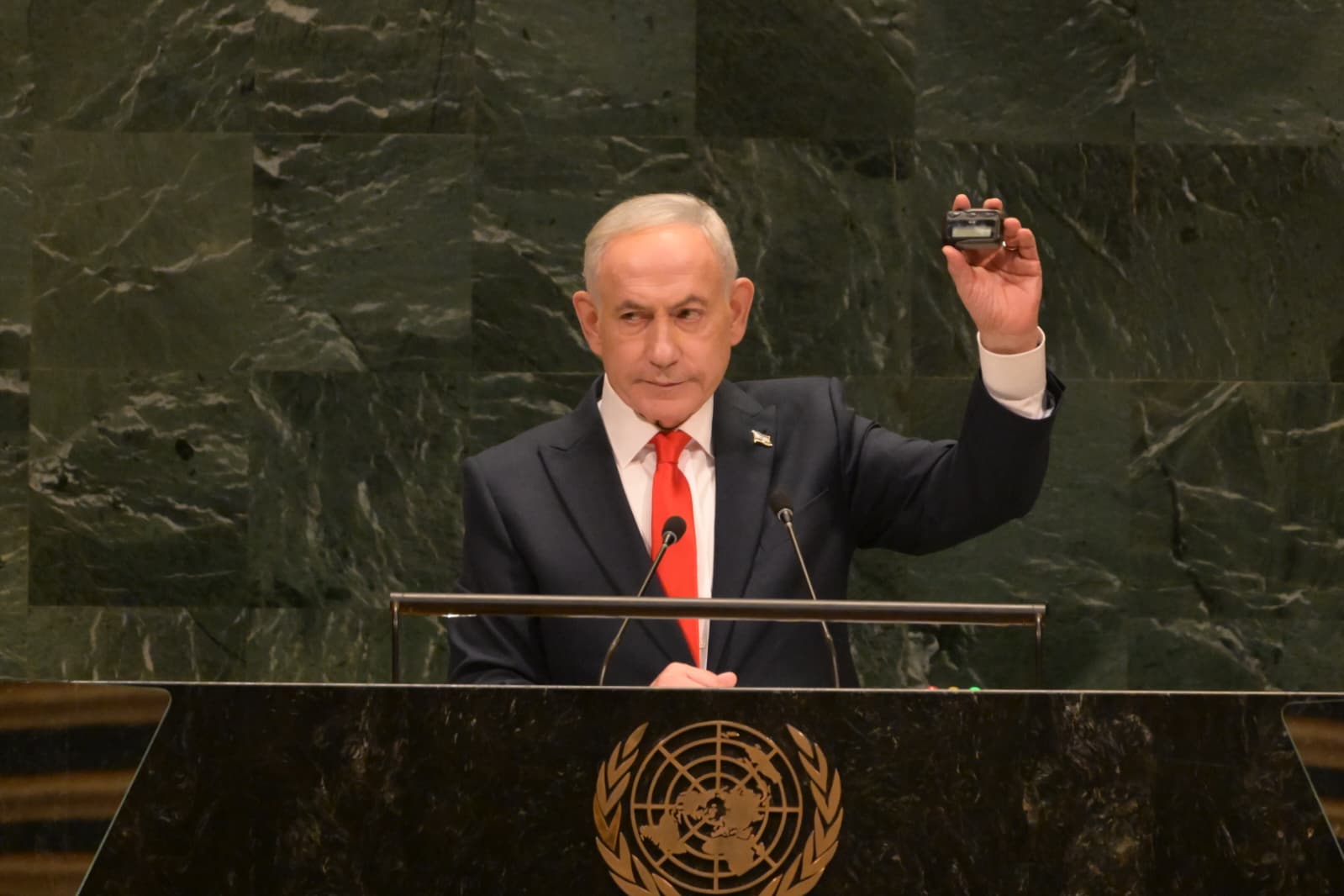
The Pentagon has elevated its counterintelligence threat assessment of Israel to the highest level amid accusations that Israeli intelligence targeted senior U.S. officials involved in negotiations with Iran.
The move reflects deepening strains between the Trump administration and Prime Minister Benjamin Netanyahu’s government over the direction of U.S. policy in the Middle East.
Escalating Espionage Concerns
U.S. intelligence reports indicate Israel intensified surveillance on American negotiators to gain insight into internal deliberations on Iran.
As reported by the Daily Mail Online, targets included Steve Witkoff, President Donald Trump’s special envoy leading talks with Tehran, Pentagon policy chief Elbridge Colby, and deputy Michael DiMino.
The Defense Intelligence Agency raised Israel’s threat level from “high” to “critical” in recent weeks. Officials cited concerns over eavesdropping, including potential monitoring of communications by U.S. personnel in Israel.
Both the White House and Israeli Embassy have denied the reports, describing key elements as false. Israel has long maintained it does not conduct espionage against the United States on American soil, a policy dating back to the 1985 Jonathan Pollard case.
Also Read: “Highly Concerned” Netanyahu Pushes Trump Toward Fresh Iran Strikes as Nuclear Deal Fears Grow
The reports emerged as Trump pushes for a nuclear agreement with Iran to prevent Tehran from acquiring weapons. Negotiations have involved backchannel efforts and direct talks, with the U.S. seeking verifiable limits on enrichment and long-term safeguards.

Diverging Priorities
Tensions stem from differing objectives. The U.S. aims to secure a deal that ends hostilities and curbs Iran’s nuclear program while avoiding prolonged conflict.
Israel has expressed skepticism, prioritizing the elimination of remaining Iranian capabilities and viewing concessions as risky.
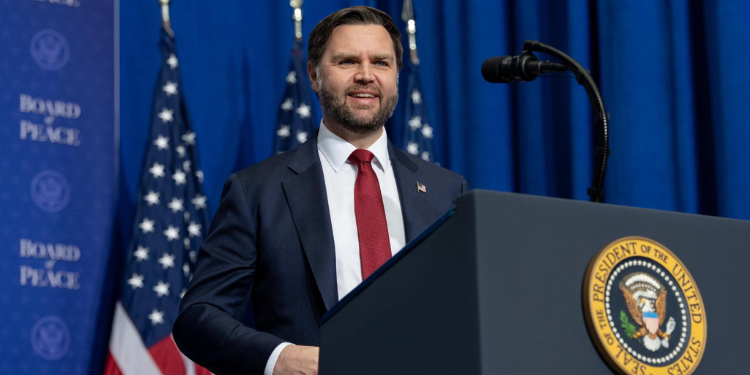
Vice President JD Vance addressed the rift directly. “We have a lot of shared interests, but we also have some situations where our interests diverge’, Vance noted.
Vance described a potential Iran nuclear deal as a “home-run win for the American people,” adding that Israel “may like that; they may not like that.”
Also Read: JD Vance Speaks Out On Trump Endorsing Ken Paxton Over His Old Boss Cornyn
Impact on Alliance
The espionage claims arrive at a delicate moment. Recent exchanges between Iran and Israel, including missile barrages, have complicated U.S. efforts. Trump has urged restraint while pressing forward with diplomacy, at times appearing at odds with Netanyahu’s harder line.
U.S. officials believe Israel sought advance knowledge of American negotiating positions and potential shifts in policy toward Iran, Lebanon, and Hezbollah. The heightened threat assessment covers both human intelligence and technical collection methods.
Lawmakers on Capitol Hill have advanced measures to deepen defense ties with Israel in the annual defense bill, even as these allegations circulate. Some voices within the Republican Party have questioned the extent of alignment.
Israeli officials argue the reports exaggerate routine intelligence activities and reflect efforts by some in Washington to undermine the partnership. U.S. sources counter that the scale and focus on Iran talks warranted the elevated response.
Follow our WhatsApp Channel and X Account for real-time news updates.