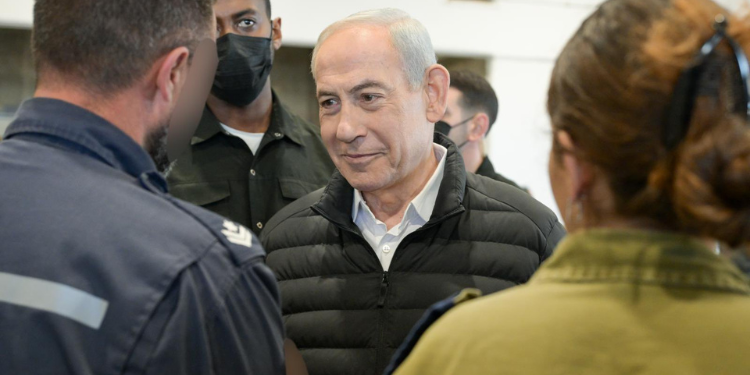
Israeli Prime Minister Benjamin Netanyahu is telling President Donald Trump that any new nuclear agreement with Iran would be a dangerous mistake. He is pushing hard for fresh U.S. military strikes instead, according to people familiar with the talks.
According to an Axios report on Saturday, May 23, Netanyahu has grown deeply concerned in recent days as Trump weighs whether to pursue a diplomatic deal or return to direct action against Iranian targets.
Israeli officials say the prime minister believes time is running out, and Iran could be using this quiet moment to regroup, restock, and refine its arsenal in preparation for future conflicts.
Why Netanyahu is Highly Concerned
One senior figure close to Netanyahu described him as “highly concerned” that a deal would leave Iran’s nuclear program largely intact and only give Tehran more breathing room to advance its weapons work.
This pressure comes after Trump said in an interview that Netanyahu was “torn” on the issue rather than firmly opposed to it.
Israeli sources pushed back on that description, insisting that the prime minister sees real risk in diplomacy right now and wants American firepower brought back into play quickly.
Trump has described his own thinking as a solid 50-50 split between a new agreement and resuming strikes.
Advisers say he plans to speak with Jared Kushner and Vice President JD Vance before making a final decision. A call with leaders from Gulf countries is also expected soon.
Also Read: Iran Moves Goalposts on Trump Talks – Refuses Nuclear Discussions Until War Ends
Israel has long argued that Iran must never be allowed to build a nuclear bomb. Officials in Jerusalem point to Iran’s recent gains in uranium enrichment and missile technology as proof that the regime is moving closer to a breakout capability.
They say past agreements only slowed the program temporarily while Iran continued to cheat and hide its true ambitions.
The tensions surfaced after Trump’s latest interview with Barak Ravid. Trump rejected the idea that Netanyahu was panicking over a potential deal.
Instead, he called the Israeli leader conflicted but still open to options. That public comment did not sit well in Jerusalem.
Multiple Israeli defense and intelligence sources confirmed Netanyahu’s strong reservations and his preference for military pressure over negotiations.
Behind-the-scenes Mediation Efforts
There are ongoing talks between Iran and the U.S., aimed at ending the war amid the fragile ceasefire. Pakistan has also played a big role in mediation efforts.
Trump’s team is studying a fresh draft agreement, but Israel believes the current framework falls short on verification and does not go far enough to dismantle Iran’s capabilities.
A return to strikes would mark a major escalation. Just like earlier strikes, fresh strikes could target nuclear facilities, missile bases, or Revolutionary Guard sites.
Netanyahu’s Government Faces Immense Pressure
Netanyahu’s government has faced its own pressures at home, with Israeli voters and security chiefs demanding clear action against Iran.
The prime minister’s political survival has depended heavily on his hard line against Tehran.
Now the nuclear clock is ticking, and he seems determined not to let a new deal be another chapter in what Israel sees as years of failed diplomacy.
Trump’s consultations with his inner circle and his Gulf partners will likely decide the next move.
If he chooses strikes, it would change America’s role in the Middle East and test the limits of Israeli-U.S. coordination.
Also Read: Trump and Netanyahu Split in a Secret Late Night Phone Call After Failed Plot Against Iran
Washington maintains that for the U.S. to sign a deal with Iran, Tehran must be ready to shelve its nuclear plans and surrender its highly enriched uranium.
U.S. Secretary of State Marco Rubio on Saturday told reporters that for any deal to be signed between the two nations, Iran must hand over enriched uranium and keep Hormuz open.
Meanwhile, Iran’s Foreign Ministry spokesman, Esmaeil Baqaei, said that the nuclear issue will not be part of the initial framework the two sides are drafting.