Spain’s Foreign Minister José Manuel Albares has confirmed that Spain will reopen its embassy in Tehran after a two‑week ceasefire between the United States, Israel, and Iran.
In an interview, Albares said Spain had told its ambassador to return to Tehran and resume work, and explained that reopening the embassy would allow Spain to participate directly in peace efforts from within Iran.
“I’ve instructed our ambassador in Tehran to return, to take up his post again and reopen our embassy, and for us to join in this effort for peace from every possible quarter, including from the Iranian capital itself,” Albares said.
Ceasefire Developments and Regional Tensions
The announcement follows a fragile two‑week ceasefire declared on April 8, which stopped direct US and Israeli strikes on Iran just hours before a deadline set by US President Donald Trump, with Pakistan helping mediate the truce.
Also Read: US Warships and Aircraft to Remain on Standby Around Iran, Trump Warns After Ceasefire
Under the agreement, Iran is expected to allow international ships to safely pass through the Strait of Hormuz, a route for global oil and gas supplies, thereby reducing immediate fears of disruptions to energy markets.
However, tensions have not fully eased, and Iran has accused Israel of breaking the spirit of the deal by continuing military operations in Lebanon. In addition, there have been mixed reports about conditions for shipping through the strait.
Embassy Closure and Spain Diplomatic Position
Spain closed its embassy in Tehran in March as the conflict escalated, with US and Israeli airstrikes on Iranian targets, including in the capital.
On March 7, Albares said Spain’s ambassador and remaining embassy staff had safely left Iran and crossed into Azerbaijan. The closure was described as a safety measure due to growing risks for foreign diplomats.
During the crisis, Spain activated emergency response plans, assisted in evacuating Spanish citizens from the Middle East, and focused on protecting its staff.
The government called for calm, respect for international law, and a peaceful solution to the conflict.
Also Read: Ceasefire on Edge as Iran Signals Retaliation Over Israel Strikes in Lebanon
Albares said reopening the embassy is a practical step to support peace efforts from inside Iran. Spain says embassy work will resume slowly and depend on security conditions.
Throughout the conflict, Spain opposed further military action and did not allow its military bases or airspace to be used for operations linked to the Iran conflict, while continuing to push for dialogue rather than force.
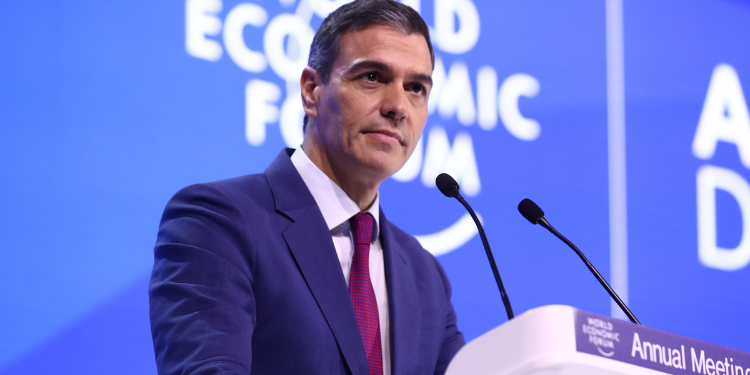
Prime Minister Pedro Sánchez welcomed the ceasefire as “good news” and a short‑term relief but warned against celebrating instability.
Albares called the truce “a day of hope” but said it was too early to say the conflict was over. He has urged that the ceasefire be extended to all areas, especially Lebanon, under a United Nations resolution, and criticized Israel’s continued military actions there.
Albares said the situation remains uncertain, with developments in Lebanon and the Strait of Hormuz being closely watched as Spain continues to push for a negotiated solution based on international law.