U.S. Central Command on Wednesday, April 1, issued an update on the ongoing military operation against Iran in the Middle East, dubbed the Epic Fury.
The military action, launched on February 28, 2026, at the direct order of President Donald Trump, has struck more than 12,300 targets across Iran and surrounding waters.
CENTCOM report posted on X shows sustained high-tempo operations involving B-2 stealth bombers, F-35 fighter jets, aircraft carriers, guided-missile destroyers, and multiple drone systems.
The command reported conducting over 13,000 combat flights and damaging or destroying more than 155 Iranian vessels since the operation began.
The goal of the operation is to stop threats posed by Iran’s nuclear ambitions and security infrastructure, with a focus on command centers for the Islamic Revolutionary Guard Corps, ballistic missile launch sites, integrated air defense systems, weapons production facilities, and naval assets.
Official fact sheets list specific categories hit, including IRGC headquarters buildings, anti-ship missile sites, drone manufacturing plants, and underground bunkers storing military equipment.
Adm. Brad Cooper, commander of CENTCOM, has been providing periodic video updates confirming the degradation of Iranian capabilities.
In earlier briefings, he noted that Iranian naval forces have largely stopped sailing, tactical aircraft flights have dropped sharply, and the rate of missile and drone launches against U.S. partners has declined significantly.
Pentagon leaders, including Secretary of War Pete Hegseth, visited troops in the region and described the pace of operations as “wartime speed.”
The campaign opened with intense strikes in the first 72 hours, hitting over 1,700 targets. By late March, the total exceeded 11,000.
The April 1 dashboard shows continued pressure, with U.S. forces employing a mix of stealth aircraft, long-range bombers, attack helicopters, and precision-guided munitions launched from ships and submarines in the Persian Gulf and Arabian Sea.
Why the Epic Fury operation matters.
U.S. officials have emphasized that the operation targets military infrastructure tied to the regime’s ability to threaten shipping lanes, launch attacks on regional allies, and advance its missile and nuclear programs.
Warnings were issued to Iranian civilians to avoid ports and facilities used by regime forces.
Other incidents include the tragic incident involving a U.S. KC-135 tanker over Iraq in mid-March, with six service members confirmed dead.
Iran has yet to release any independent figures on damage and casualties from its side, calling the strikes aggression.
Iranian media reports have accused the U.S. and Israel of coordinated attacks under the parallel Israeli operation named Roaring Lion.
Also Read: Top Iranian Adviser Wounded, Wife Killed in Strike on Tehran Home Amid Ongoing Talks
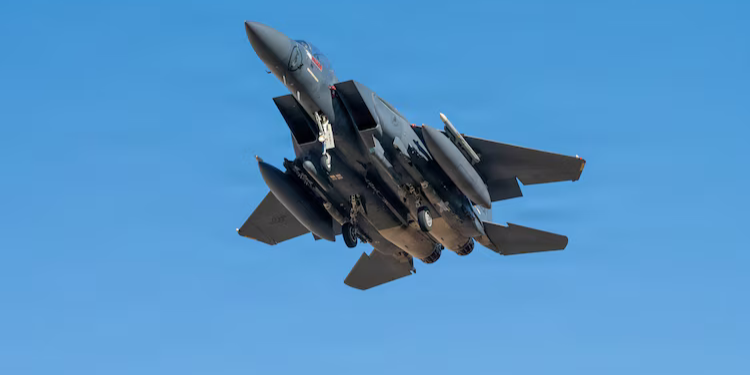
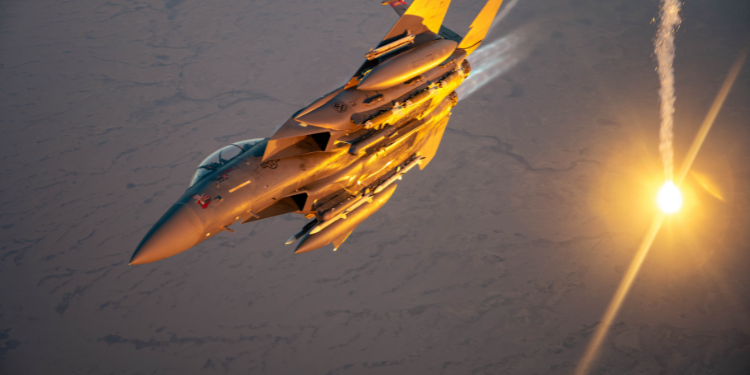
The scale of U.S. involvement includes dozens of aircraft types, ranging from F-15s and F-16s to electronic warfare aircraft like the EA-18G Growler and reconnaissance aircraft such as the RC-135.
The US naval assets, including nuclear-powered carriers and destroyers, have been continuously deployed and have been launching cruise missiles and supporting air missions with tanker planes.
Iran war sparks mixed reactions in the U.S.
However, critics have questioned the long-term goals and the potential for escalation from both inside and outside the US. They have noted that the Trump administration lacks a clear plan to end the war or clear objectives.
Others have sided with the administration, saying that this operation directly responds to decades-long Iranian attacks through proxy forces, which have killed over 1,000 Americans.
As of April 1, CENTCOM stated that major combat operations continue with no immediate end date announced.
The command has not released updated U.S. casualty figures beyond the early losses of 13 service members.
Pentagon said force protection measures, including Patriot and THAAD missile defenses, remain active across bases in the region.
Operation Epic Fury marks one of the largest concentrated uses of American military power in the Middle East in recent decades.
Daily updates from CENTCOM continue to track progress through infographics showing cumulative strikes, flights, and vessels neutralized.
Meanwhile, President Trump has threatened to strike Iran’s power plant if a deal is not reached on or before April 6, 2026. There are reports that talks are ongoing between Iran and the U.S., and President Trump has stated that they are on the right trajectory, or, rather, that the talks are positive.