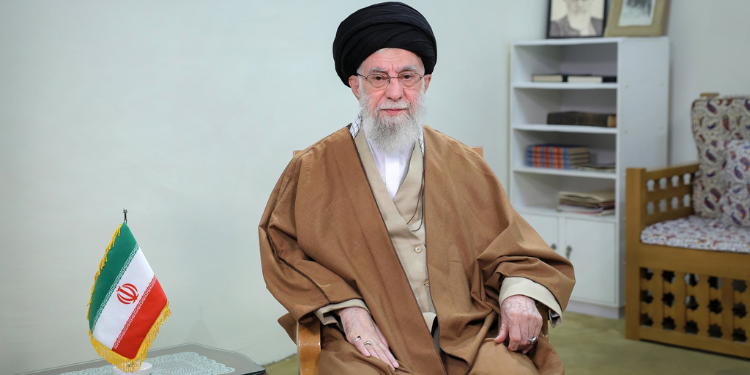
Iranian state media reported Wednesday, April 1, that a senior foreign policy adviser was seriously wounded and his wife killed in a U.S.-Israeli airstrike that hit his residence in the Iranian capital.
Kamal Kharrazi, head of Iran’s Strategic Council on Foreign Relations and a former foreign minister, sustained severe injuries in the attack on his home in western Tehran.
He was rushed to a hospital for treatment, according to multiple Iranian outlets, including Nour News and Mehr News Agency. His wife died in the strike.
Kharrazi, 76, served as Iran’s foreign minister from 1997 to 2005 under former President Mohammad Khatami. He has long advised the country’s supreme leadership on international affairs.
He held that role under the late Ayatollah Ali Khamenei and continued to do so after Mojtaba Khamenei became the supreme leader following his father’s death in the early days of the conflict.
Kharrazi Media interview.
Kharrazi had given a CNN interview just weeks ago, discussing Iran’s view amid the fighting.
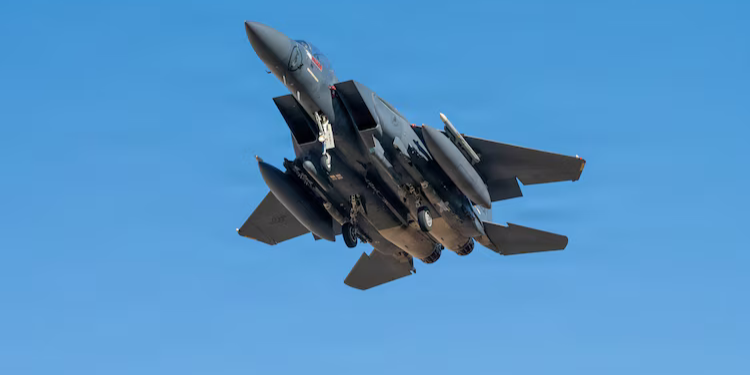
The strike came as U.S. and Israeli forces pressed their air campaign against Iranian targets. The operation, which began Feb. 28, has focused on military sites, missile facilities, and leadership figures.
Iranian authorities say more than 1,900 people have been killed across the country since then, with thousands more injured. Independent tallies from groups like HRANA put the death toll higher, including hundreds of civilians.
Also Read: Iran’s President Challenges Washington in a Direct Address to Americans
This latest hit on a high-profile residence marks another blow to Iran’s political establishment. Earlier strikes killed Supreme Leader Ali Khamenei on the first days of the operation, along with several top military and security officials from the Islamic Revolutionary Guard Corps.
Iran retained Kharrazi as key advisor after Ali Khamenei’s assassination.
Iran quickly installed Mojtaba Khamenei to replace his father, keeping many of the elder leader’s advisers in place to preserve continuity.
Iran has hit back with waves of drones and ballistic missiles aimed at Israel and U.S. military sites in neighboring countries.
Those attacks have struck targets in Jordan, Iraq, and Gulf states hosting American forces, causing deaths and harm to infrastructure.
Israeli officials say their air defenses have intercepted most incoming threats, though some missiles got through, killing civilians and forcing widespread sheltering.
The conflict has rattled global markets, with oil prices spiking in the opening weeks amid concerns over potential disruptions to the Strait of Hormuz.
Aviation routes across the region were rerouted or canceled, further straining the economy. Shipping through key Gulf passages has been delayed and has faced higher insurance costs.
Why it matters
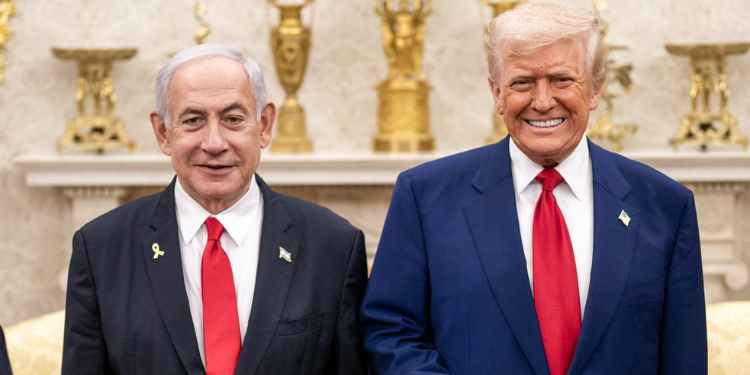
U.S. President Donald Trump has described the strikes as necessary to degrade Iran’s ability to threaten the region and its nuclear ambitions.
Israeli Prime Minister Benjamin Netanyahu’s office has said the operations target regime infrastructure and leadership tied to attacks on Israel and its allies.
Neither Washington nor Jerusalem has issued an immediate comment on the strike against Kharrazi’s home.
In Israel, at least two dozen people have died from Iranian missile strikes, with thousands injured. The U.S. military has confirmed 13 service members killed in related operations across the region.
Beyond casualties, strikes have hit cultural and historical sites in Iran, drawing criticism from UNESCO. In one case, a school near a naval base was struck early in the campaign, killing over 100 girls according to Iranian claims.
Also Read: Israeli Air Force Destroys Ayatollah Ali Khamenei’s Plane
Israel and the U.S. have said they take precautions to avoid civilians but blame Iran for placing military assets in populated zones.
Meanwhile, Trump has hinted at ending the war if Iran agrees to curb its nuclear program and regional proxies. Iranian leaders insist they will not negotiate under fire.
Kharrazi’s condition was not immediately detailed beyond reports of serious injuries. Iranian media showed images of damaged buildings in the area of the strike, but provided no footage of the official himself.
His survival keeps one experienced voice in Iran’s foreign policy circle, even as the leadership struggles with the loss of its longest-serving supreme leader.