The mounting tensions between the administration of President Donald Trump and Iran have brought Kharg Island into the public eye. The Island, which is located merely 15 miles off the Iranian coast, is the epicentre of the Iranian energy sector, as 90% of the country’s crude oil exports pass through the island.
Now, with Iran effectively choking off commercial traffic through the Strait of Hormuz, the narrow waterway that carries roughly one-fifth of the world’s oil supply, President Donald Trump is weighing aggressive options to break the deadlock, including a potential U.S. takeover or blockade of the island itself.
The beginning of this whole crisis can be traced back to late February 2026, when airstrikes were conducted by the US and Israeli military in Iranian territory, causing Tehran to strike back by harassing and attacking oil tankers that tried to pass through the strait.
What started as targeted disruptions has become a de facto closure of most international shipping.
Only a handful of vessels, around 90 since early March, per shipping data, have made it through, many tied to Iran’s own “shadow fleet” or compliant operators willing to risk the threats of mines, drones, and missiles.
Also Read: Reason NATO Won’t Join Donald Trump in War With Iran
Due to this standoff, global oil prices have surged, with standards such as Brent and WTI climbing well above $100 per barrel in recent weeks, and U.S. gasoline prices have jumped by 17% or more since the war intensified.
Americans are feeling the pinch at the pump as higher fuel costs flow through everything from grocery bills to airline tickets.
The White House has made reopening the strait a top priority, considering it essential to ending the conflict on terms favorable to the United States.
Trump, who had hoped to wrap things up quickly before a planned trip to China (now postponed), has repeatedly signaled frustration.
In recent statements, mostly via his Truth Social handle, he described Kharg Island as “the little island that sits there so totally unprotected,” boasting that U.S. forces have already hammered military targets there while sparing the oil pipes and infrastructure. However, he categorically warned that it could be next if Iran doesn’t back down.
It has now emerged that behind closed doors, administration discussions have turned to more direct action.
As reported by Axios, sources familiar with White House thinking describe a sequenced approach: continue airstrikes for roughly another month to continue degrading Iran’s defenses around the strait and on Kharg.
According to the publication report on Friday morning, March 20, the U.S. will then potentially seize the island with ground forces to use it as leverage in negotiations.
“We need about a month to weaken the Iranians more with strikes, take the island, and then get them by the balls and use it for negotiations,” one source told Axios.
Besides taking the island, a naval blockade to prevent tankers from reaching Kharg is also on the table, with Pentagon lawyers reportedly weighing in on the legality.
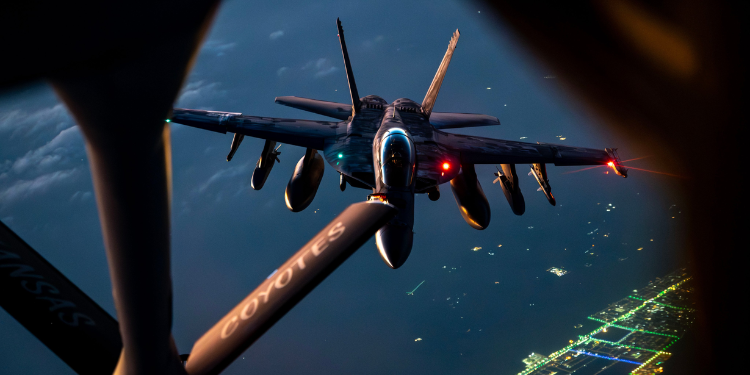
To support these contingencies, the U.S. military is surging resources. A 2,500-strong Marine expeditionary unit is en route to the region, with two more similar-sized units following, alongside discussions of additional reinforcements.
Also Read: Hormuz Strait Crisis Warning to Trump Before Iran War Resurfaces as Oil Prices Surge
These amphibious forces, including the 31st Marine Expeditionary Unit aboard the USS Tripoli, could enable rapid raids or coastal operations if ordered.
Senior officials assert no final decision has been made on boots on the ground, with one telling Axios, “He wants Hormuz open. If he has to take Kharg Island to make it happen, that’s going to happen.”
Trump has been pushing allies, including China, Japan, the UK, and France, to join a “Hormuz coalition” for shared security duties, though responses have been tepid.
Sen. Tom Cotton (R-Ark.), Chair of the Senate Intelligence Committee, praised the president’s prudence in keeping all options open, describing Iran’s closure of the Strait of Hormuz as “an act of desperation” while noting that Trump has “mountains of plans.”