
President Donald Trump has announced that the United States and Iran are close to finalizing a major peace agreement.
In a lengthy statement posted Saturday, May 23, evening after a series of high-level calls with Middle Eastern and regional leaders, Trump said an agreement had been “largely negotiated” and that final details were now being completed.
“Final aspects and details of the Deal are currently being discussed, and will be announced shortly,” Trump said.
“In addition to many other elements of the Agreement, the Strait of Hormuz will be opened.”
Trump ropes in Gulf leaders
The Strait of Hormuz is considered one of the world’s most strategically important maritime chokepoints, with roughly a fifth of global oil supplies passing through the narrow waterway connecting the Persian Gulf to international shipping routes.
Also Read: Gulf Doubts Deepen as Iran’s Deterrence Appears Strong After Trump Strikes
Any formal reopening agreement would likely ease fears of major energy disruptions that have rattled markets during months of escalating tensions involving Iran, Israel, and the United States.
Trump revealed that the discussions involved several major regional powers and Gulf leaders during a conference call from the Oval Office.
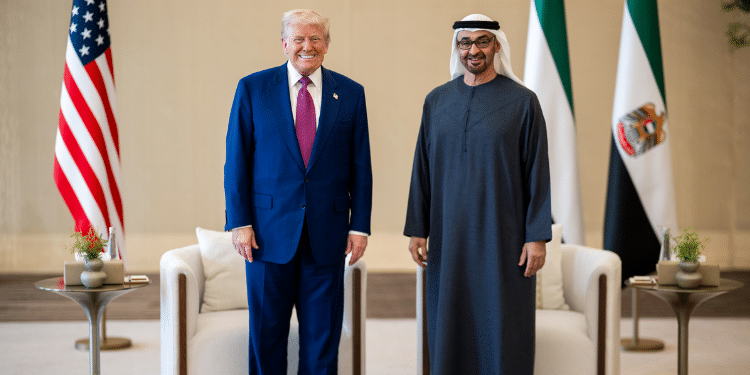
Among those he listed were Saudi Crown Prince Mohammed bin Salman, UAE President Mohammed bin Zayed Al Nahyan, Turkish President Recep Tayyip Erdoğan, Egyptian President Abdel Fattah el-Sisi, Jordan’s Abdullah II, and senior Qatari and Pakistani officials.
Trump said the talks centered on “a Memorandum of Understanding pertaining to PEACE.”
He also disclosed that he separately spoke with Israeli Prime Minister Benjamin Netanyahu and said that the conversation “likewise, went very well.”
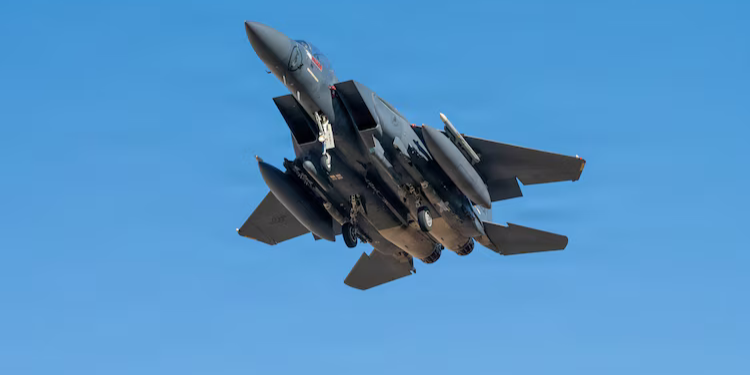
The announcement represents a dramatic shift from just 24 hours earlier, when multiple reports indicated the Trump administration was actively preparing for a possible new round of military strikes against Iran.
CBS News had earlier reported that some U.S. military and intelligence officials canceled Memorial Day weekend plans amid expectations that strikes could resume if negotiations collapsed.
The White House had also quietly altered Trump’s weekend schedule, canceling a planned trip to his Bedminster golf club and keeping him in Washington during what he described as an “important period of time.”
The president had additionally announced he would skip the wedding of his son, Donald Trump Jr., citing government-related circumstances and the evolving international situation.
Throughout Saturday, signals of an imminent breakthrough had steadily intensified.
Earlier in the day, Trump told CBS News negotiators were “getting a lot closer” to a deal and said any agreement would ensure Iran could not obtain a nuclear weapon.
Rubio hints at Iran peace deal announcement
Secretary of State Marco Rubio also hinted that “there might be some news a little later today” regarding the negotiations.
Sources familiar with the talks reportedly said the latest proposal included reopening the Strait of Hormuz, unfreezing some Iranian assets held in foreign banks, and continuing diplomatic discussions aimed at ending the conflict.
Iran’s foreign ministry earlier Saturday indicated Tehran was prioritizing ending the war “on all fronts,” although officials stressed that detailed nuclear discussions would happen separately at a later stage.
The negotiations have reportedly involved mediation efforts by Pakistan and Gulf states, with Pakistan’s military leadership describing recent talks with Iranian officials as “highly productive.”
Despite growing optimism surrounding the diplomatic push, significant opposition remains within parts of the Republican Party and among some U.S. allies.
Also Read: ”Highly Concerned” Netanyahu Pushes Trump Toward Fresh Iran Strikes as Nuclear Deal Fears Grow
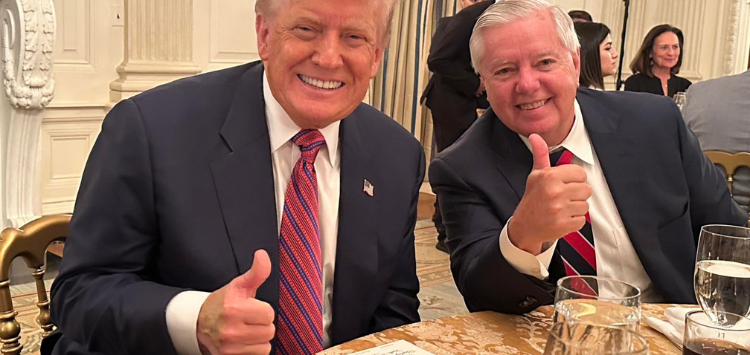
Republican senators Lindsey Graham and Roger Wicker publicly criticized reports of a possible ceasefire framework, warning that Iran could emerge politically strengthened if military pressure eased too quickly.
Graham described a potential deal as “a nightmare for Israel,” while Wicker warned it could undermine the gains made during recent U.S. military operations.
No official text of the proposed agreement has been released yet, and neither Iran nor Israel has publicly confirmed the precise terms by Saturday evening.
Why this matters
The possible agreement would cap weeks of rapidly shifting developments across the Middle East, including military exchanges, threats to regional shipping lanes, and fears of broader escalation involving multiple countries.
Financial markets and global energy traders are expected to closely monitor any formal announcement regarding the Strait of Hormuz, which remains critical to oil exports from Gulf producers, including Saudi Arabia, the UAE, Kuwait, and Iraq.
However, Trump’s declaration that an agreement has been “largely negotiated” marks the clearest indication yet that Washington and Tehran may be approaching a major diplomatic turning point after months of crisis.