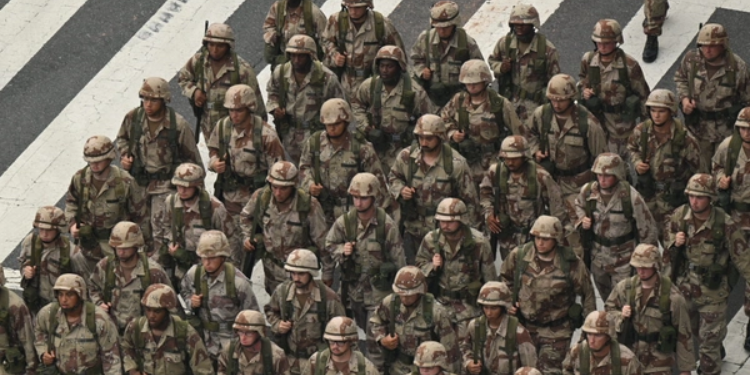
Eligible young men in the United States will be automatically registered for the military draft beginning in December, marking a major shift in how the Selective Service System (SSS) maintains its database of potential conscripts.
The change was mandated in December 2025, when President Donald Trump signed the fiscal year 2026 National Defense Authorization Act (NDAA).
The law transfers responsibility for registration from individuals to the SSS, which will integrate federal data sources to build and maintain its registry.
SSS submitted a proposed rule to the Office of Information and Regulatory Affairs on March 30, according to the office’s dashboard. The agency described the change as a “streamlined registration process and corresponding workforce realignment.”
Previously, nearly all male U.S. citizens and immigrants aged 18 through 25 were required to self-register within 30 days of their 18th birthday, with late registration available until age 26.
Failure to register carries penalties, including fines of up to $250,000, imprisonment for up to five years, and ineligibility for federal programs such as student loans and job training.
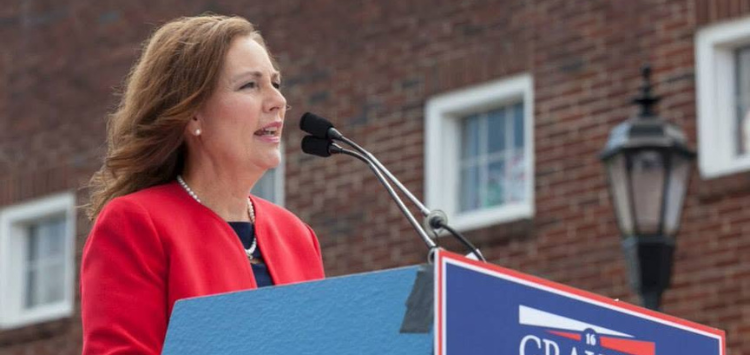
Rep. Chrissy Houlahan (D-Pa.), who sponsored the language in the NDAA, said the move would save taxpayer money.
“This will also allow us to rededicate resources — basically that means money — towards readiness and mobilization rather than towards education and advertising campaigns driven to register people,” she explained.
Also Read: Draft Coming? Why President Trump Is Considering Deploying Boots on the Ground in Ongoing War
U.S. military draft registration rates have declined in recent years. In 2024, 81% of eligible men registered, down slightly from 84% in 2023.
The drop followed the removal of the registration option from federal student loan forms in 2022, a change that had previously accounted for nearly a quarter of all registrations.
Despite the decline, compliance remains strong thanks to state-level laws. Forty-six states and territories automatically register men when they obtain a driver’s license, learner’s permit, or state identification card.
U.S. military draft
The U.S. has not had an active military draft since 1973, near the end of the Vietnam War. Since then, military service has been voluntary.
However, former President Jimmy Carter reinstated the Selective Service registration requirement in 1980, citing the need to maintain readiness in case of a national emergency.
The registry ensures that, if Congress and the president authorize conscription, the Department of War can quickly access a pool of eligible individuals. It also provides for an alternative service for conscientious objectors.
The automatic registration change comes amid heightened global tensions, including the ongoing war in Iran, which is currently under a tenuous two-week ceasefire.
White House Press Secretary Karoline Leavitt said last month that while a draft is “not part of the current plan right now,” President Trump “wisely keeps his options on the table.”
Trump reiterated on Thursday that he is “not putting troops anywhere” when asked whether he intended to send more service members to the Middle East.
Also Read: Uproar as Trump Seeks $1.5 Trillion Defense Budget from Taxpayers Amid Iran War Costs
Women remain exempt from registration, despite repeated legislative efforts to expand the requirement. In 2020, a congressional commission recommended including women, calling it a “necessary and fair step” given that women became eligible for all combat roles in 2016.
Lawmakers have attached provisions to annual defense bills in recent years, but they have consistently been stripped out before final passage. Automatic military draft registration represents the most significant change to the Selective Service System in decades.
By shifting responsibility from individuals to federal data systems, the government aims to reduce administrative costs and ensure higher compliance.
Critics argue that automatic registration could reignite debates over civil liberties and fairness, particularly regarding the continued exemption of women. Supporters counter that the change is a practical step to maintain readiness without burdening individuals.
As the December implementation date approaches, the Selective Service System is preparing to integrate federal data sources to automatically register eligible men within 30 days of their 18th birthdays.