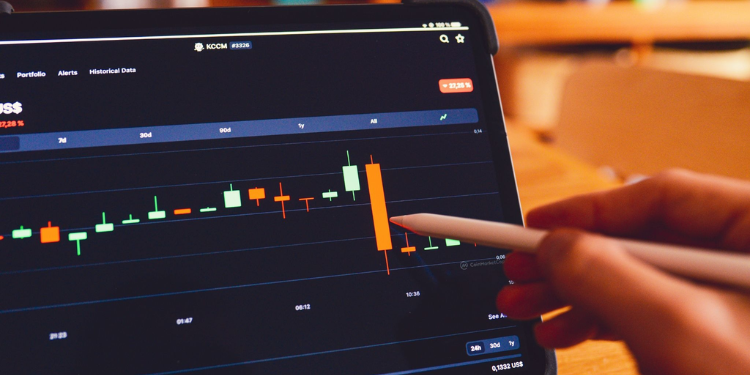
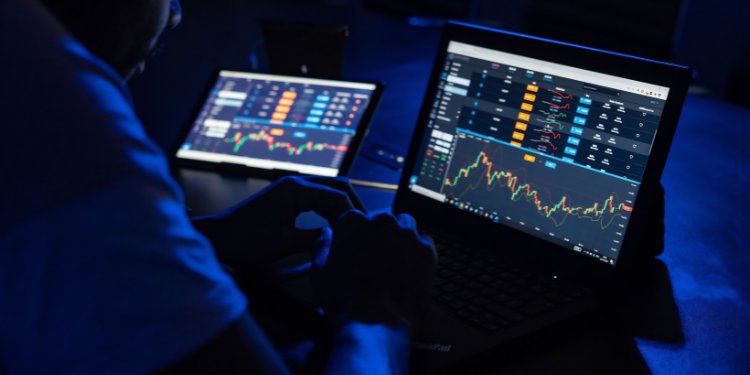
Kenya’s digital finance habits make online trading feel easy to enter, but that ease can hide the harder questions a trader should ask before opening an account.
Anyone comparing the best trading app in Kenya should look past the first impression and examine how the platform handles risk warnings, demo practice, account security, withdrawals, support, and the real-money pressure of decision-making.
The cleanest app isn’t always the one you should trust.
A good mobile trading platform in Kenya should explain itself before asking too much from the user.
It should show where the money goes, how account checks work, what happens during a failed payment, how to reach support, and what kind of risk the trader is accepting.
Those details are easy to ignore when the screen feels fast and polished, yet they are usually the details that matter after the first deposit.
Why Kenyan Traders Should Slow Down Before Signing Up
Many new traders begin with the market story. They hear about currency pairs, commodities, crypto movement, global indices, or a friend who says they made a quick return.
Then they look for an app. That order can lead to rushed choices.
The platform itself should be examined before any opinion about a trade becomes exciting.
A stronger habit is to open the platform like an investigator, not like a fan.
Where are the terms? Is the legal entity visible? Does the site explain risk in plain language? Are deposit and withdrawal rules easy to find? Can the user test the interface before funding the account? Does the help section answer the questions a Kenyan user would naturally ask about payments, verification, and account access?
This is the practical side of online trading safety in Kenya. It is not about fear. It is about refusing to put money into a system that has not been checked.
Regulation is Part of the First Impression
For Kenyan readers, regulation should be treated as part of the platform’s identity.
Also Read: Investors Turn to Uganda as Fresh Cross-Border Business Opportunities Emerge
Some online trading activity in Kenya sits within a formal capital markets framework, especially around online foreign exchange trading.
That does not mean every platform a user sees online has the same status, the same protection, or the same local oversight.
A trader should seek the company name behind the website, the jurisdiction mentioned in its documents, the type of product offered, and the regulator it refers to.
If that information is vague, missing, or hard to verify through official sources, the user should pause.
A mobile screen can look professional while the operating structure remains unclear.
This matters for anyone searching for a regulated trading platform in Kenya or trying to understand which services suit their situation.
A Kenyan trader does not need to become a legal expert, but they should know who operates the platform and what rules appear to govern the service.
Demo Mode is Useful Only When the Trader Uses it Seriously.
A demo account can help a Kenyan trader learn the platform without risking real funds.
It shows how charts load, how buttons behave, how trade history appears, and how quickly the user can understand the layout.
For someone looking for an online trading app for beginners in Kenya, demo access can reduce early confusion.
But demo trading can also teach bad habits when it feels like a game.
Virtual funds remove the emotional weight of loss. A person may overtrade, jump between assets, ignore weak decisions, and feel skilled after a short lucky run.
That confidence can become expensive when you use real money.
A better demo routine is slower. Choose a small watchlist. Write down the reason for each trade. Set a session limit. Review every losing trade. Stop when the written plan says the session is over.
Demo mode should teach rhythm, patience, and platform familiarity, not reckless clicking.
Withdrawals Deserve Attention Before Deposits
Many users check how to deposit first and how to withdraw later. That is the wrong order.
Also Read: Dollar Struggles to Reclaim Ksh130 as Kenya Shilling Stays Resilient
The withdrawal page tells a trader a lot about how the platform treats users after money has entered the account.
It should explain processing times, verification needs, possible limits, payment methods, account matching, and where to ask for help when something is delayed.
Here is a simple way to read the money path before funding an account:
| Area | What to look for |
| Deposit rules | Accepted methods, fees, minimums, processing time |
| Withdrawal rules | Limits, documents, account matching, review periods |
| Transaction history | Clear records of deposits, trades, and withdrawals |
| Support | Visible contact options before a payment problem |
| Verification | Simple explanation of what may be required |
Account Safety is Also the Kenyan Trader’s Job
A platform may offer security settings, but the user still controls many weak points. Shared phones, saved passwords, public Wi-Fi, screenshots of account details, and unofficial support chats can all create unnecessary risk.
Trading accounts often contain personal details, payment records, and financial activity so that careless access habits can cause serious problems.
A Kenyan trader should know how to change the password, review login activity, protect the email connected to the account, and recognize official support channels.
If the platform has verification steps, the user should understand them before an urgent problem appears.
These trading app security checks are basic, but users often ignore them because they focus on the next trade. Good security is usually quiet. People notice it only when something goes wrong.
What to check before using real money
Before the first deposit, a trader should follow a short routine and avoid changing too many things at once.
- Read the platform’s risk warning and account terms.
- Check the company details and regulatory information.
- Use demo mode with written rules, not random trades.
- Read withdrawal terms before adding funds.
- Test how easy it is to find support.
- Protect login details and avoid shared devices.
- Decide the maximum amount that can be lost.
- Stop trading when emotion starts leading the session.
A Good Platform Cannot Replace Discipline.
A mobile trading app can give access to charts, markets, account tools, and learning space. It cannot protect a trader from impatience, overconfidence, poor budgeting, or decisions made after a loss.
The user still needs a plan before opening a position and a limit before opening the app.
For Kenyan traders, the phrase best trading app in kenya should mean more than a smooth design or quick registration.
It should point to a platform that’s easy to check, easy to understand, and easy to use within personal limits. Trading will always involve uncertainty.
The smarter first move is to ensure the platform, account, and trader’s own rules are ready before money is on the line.
Follow our WhatsApp Channel and X Account for real-time news updates.