President William Ruto and Kenya National Union of Teachers (KNUT) Secretary General Collins Oyuu have taken different positions on calls by Junior Secondary School (JSS) teachers for autonomy and separate leadership for Grades 7, 8, and 9.
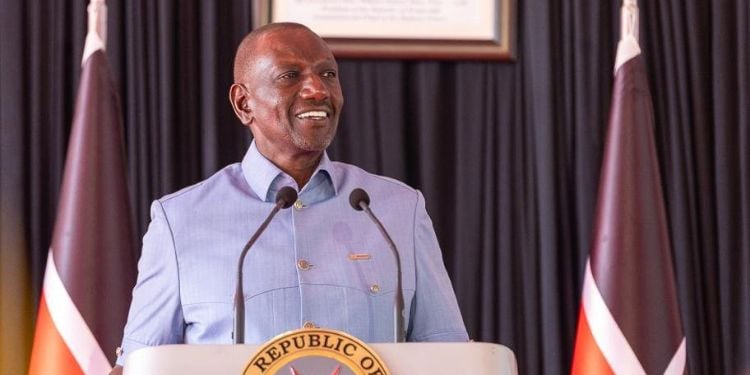
Speaking at the National Education Conference in Naivasha on May 7, President Ruto called for calm engagement between KNUT and Junior Secondary School teachers, saying issues around leadership qualifications should be resolved through dialogue rather than confrontation.
“I know you, KNUT SG Oyuu, you have spoken about autonomy. I am sure you will have a conversation, and if the issue is qualifications, already about 90 percent of those leading schools are graduates,” Ruto said.
The President said most heads of public schools already have degrees and added that discussions about school leadership should aim to build agreement and avoid tension within the education sector.
Also Read: Ruto Directs Automatic Transition of Teachers to Permanent Employment After Two Years
KNUT Rejects Push for JSS Autonomy
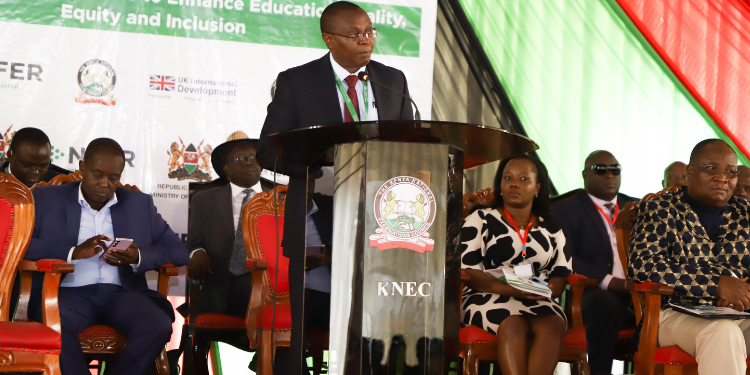
Oyuu opposed calls for Junior Secondary School autonomy, warning that creating new leadership and administrative structures within existing schools could disrupt learning and place additional pressure on the limited education budget.
“We should be very cautious about disrupting education. If we truly understand the recommendations of the Presidential Working Party on Education Reforms, teachers should be the last to push for autonomy,” Oyuu said.
The KNUT Secretary General said that Grades 7, 8, and 9 were deliberately placed within primary schools following extensive public participation in the education reform process, and that teachers should not introduce ideas that were not part of the agreed reforms.
“Grades 7, 8, and 9 are successfully domiciled in primary schools. Do not bring in what was not part of the reforms,” he added.
Debate Tied to Education Reforms
The disagreement stems from the 2023 recommendations of the Presidential Working Party on Education Reforms, which proposed that Junior Secondary Schools be housed within existing primary schools under a comprehensive school model.
Also Read: Ruto Takes Early Lead in 2027 Race as Kalonzo Comes Distant Third
The approach was intended to make better use of resources, lower infrastructure costs and support a smooth transition under the CBC.
However, some JSS teachers and unions, including KUPPET, have continued to push for separate governance, independent principals, and their own administrative systems, citing concerns about leadership, professional identity, and resources.
Oyuu also defended current headteachers against claims that they lack the qualifications to lead Junior Secondary Schools, saying leadership is built through experience as well as academic training.
“Leadership is not just about papers. It is about experience and growth,” he said, recalling that early in his career he worked under more senior teachers without expecting immediate promotion.
The government has maintained that keeping Junior Secondary Schools within primary institutions remains the most practical approach, and President Ruto has encouraged continued dialogue to address concerns without disrupting the education system.