Starting an M-Pesa business in Kenya requires meeting Safaricom’s requirements, securing adequate capital, and setting up an approved outlet.
An M-Pesa business enables you to offer essential financial services such as cash deposits, withdrawals, money transfers, and bill payments on behalf of Safaricom. This places you at the heart of Kenya’s widely used mobile money ecosystem.
According to Safaricom, agents earn commissions from every transaction they process, making it a potentially steady and reliable income stream.
Entrepreneurs can choose to become full agents operating under a direct contract with Safaricom or start as sub-agents under an already licensed dealer.
Most beginners opt for the sub-agent route, as it requires less startup capital and involves fewer operational and compliance demands, making it a more accessible entry point into the business.
Meeting the Basic M-Pesa Business Requirements
For full agents, the business must be registered as a company, have been operating for at least 6 months, and have at least 3 outlets ready to offer M‑Pesa services.
In addition, the business must be stable enough to handle daily transactions and comply with Safaricom’s operational standards.
Also Read: Safaricom Increases Fuliza Limits for Thousands of Customers in New Rate Adjustment
This ensures reliability and trust when dealing with customers’ money.
Capital and Float Requirements
Safaricom requires agents to maintain enough float (working cash) to handle deposits and withdrawals.
For standard agents, the minimum float is about KSh 100,000 per outlet, while special or standalone agents may need around KSh 200,000.
Sub‑agents can start with less capital, depending on their agreements with the main agent, but must still maintain sufficient float to keep transactions running smoothly.
Required Documents
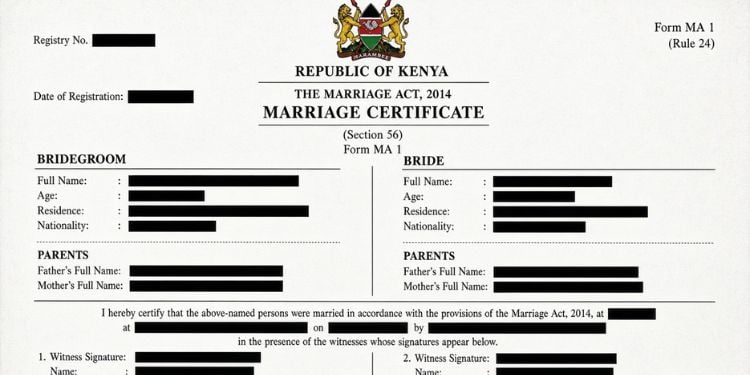
Willing M-Pesa agents must prepare and submit a set of official documents as part of the application and approval process.
These include valid business registration certificates, identification documents, and duly completed application forms, all of which are used to verify the applicant’s legitimacy and compliance with Safaricom’s operational standards.
Safaricom reiterates that proper documentation is essential for approval, as it helps safeguard the integrity of the mobile money network and ensures that only qualified operators are licensed to run M-Pesa outlets.
Typical documents include:
- Certificate of incorporation
- Form CR12
- National ID copies
- Business permits
- Completed Safaricom application forms
All documents must be verified before approval is granted.
Also Read: Safaricom Reduces Home Fibre Fair Usage Limits Across All Packages
High‑traffic areas such as markets, estates, and shopping centers attract more customers and increase transaction volume.
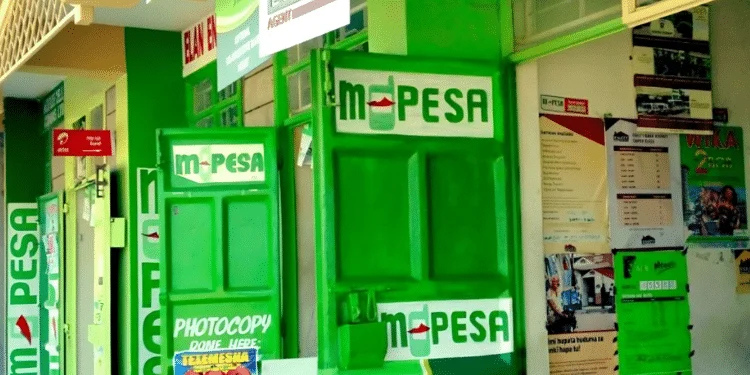
Safaricom inspects proposed outlets before approving them. The shop must meet security standards, be easily accessible, and follow official branding guidelines
Application and Approval Process
Once you meet all requirements, you submit your application through a Safaricom shop or authorized dealer.
The process involves filling in application forms and attaching all required documents.
Safaricom then reviews the application and inspects your outlet to ensure it meets its standards, and the approval is only given after successful verification and audit.
After approval, a prospective agent undergoes training to learn how to operate the business, including handling deposits and withdrawals, managing float, and complying with regulations.
You are then issued with an M‑Pesa till number and branding materials, allowing you to begin operations immediately.
M‑Pesa agents earn commissions on services provided to customers. These include withdrawals, deposits, and bill payments.
Even when deposits are free for customers, agents still receive a commission from Safaricom
The total cost of starting an M‑Pesa business depends on the size and setup; small outlets typically start with about KSh 50,000, while larger setups may require up to KSh 300,000 or more, mainly for float, rent, and setup costs.