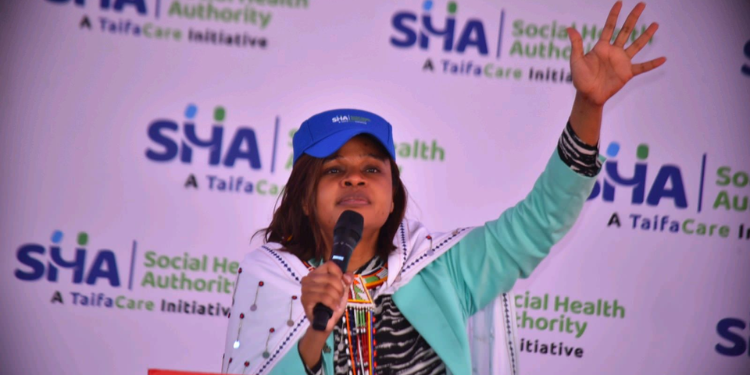

Social Health Authority (SHA) is exploring partnerships with savings groups, SACCOs, and microfinance institutions to streamline premium collections, as the government confronts the low uptake for the public insurance, and a flagship project of President William Ruto.
The move is set to target informal-sector workers, requiring them to pay their premiums in flexible and gradual instalments.
The National Assembly’s Departmental Committee on Health chair James Nyikal said on March 19 that the move is aimed at widening the contribution base, noting that while millions have registered under SHA, only a fraction is actively paying premiums.
He attributed the shortfall in SHA funding largely to low participation from the informal sector, which is expected to contribute the bulk of the Social Health Insurance Fund.
“Those in formal employment remit their contributions directly through employers, and that has remained the main source of income. But we expect a larger portion to come from the informal sector, and this is where the challenge lies,” Nyikal said.
SHA Turns to SACCOs, Savings Groups in New Premium Collection Plan
The legislator explained that formal-sector employees remit contributions directly through their employers, which has remained the main source of income, whereas the informal sector has contributed far less than anticipated.
Nyikal noted that although about 29 million Kenyans have registered under SHA, only about 5 million consistently pay premiums, a gap that could undermine the scheme.
He also flagged the risk of adverse selection, where individuals only enroll when sick, as a threat to the system’s sustainability.
Also Read: How to Register as a Member of the Social Health Authority
How Funding Will Fill the Gap
The lawmaker underscored the importance of the Primary Health Care Fund, financed through the exchequer, which supports services at lower-level facilities and outpatient care in higher-tier hospitals.
He said strengthening this fund would reduce pressure on higher-level hospitals. Parliament allocated Ksh13 billion to the fund last year, up from Sh8 billion, with an additional Ksh2 billion proposed in the current supplementary budget.
Also Read: Health Services SHA Beneficiaries Will Access for Free
Settling Mounting Debts
On legacy debts inherited from the defunct National Hospital Insurance Fund (NHIF), Nyikal said the committee will push for Ksh5.3 billion to settle pending claims of less than Ksh10 million, noting that unpaid dues have forced some health facilities to scale down or close operations.
The committee also highlighted weaknesses in the benefits package and delays in claims processing, though improvements are underway through new digital systems.
Nyikal maintained that while the SHA model is sound in design, its success depends on effective implementation and public trust, which, in turn, require cooperation among management, providers, and the public.
Lawmakers are also reviewing the proposed Patient Safety Bill, which seeks to separate regulation of healthcare professionals from that of health facilities, and a Harm Reduction Bill targeting drug addiction, as part of broader health sector reforms.
The legislator was addressing Principal Secretary for the State Department for Medical Services, Ouma Oluga, and other SHA officials.