The National Assembly Health Committee has raised concerns about gaps in health care related to the Social Health Authority (SHA).
According to the committee, despite 30 million Kenyans registering under the scheme, only 4 to 5 million have paid the required premiums, thereby qualifying for inpatient hospital services.
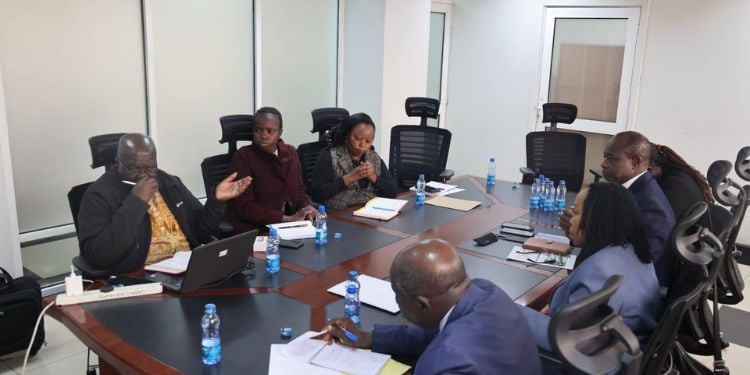
The issue emerged during a meeting held on June 24 between the Committee and media and science communication practitioners from the Media for Environment, Science, Health and Agriculture (MESHA) network at Parliament Buildings.
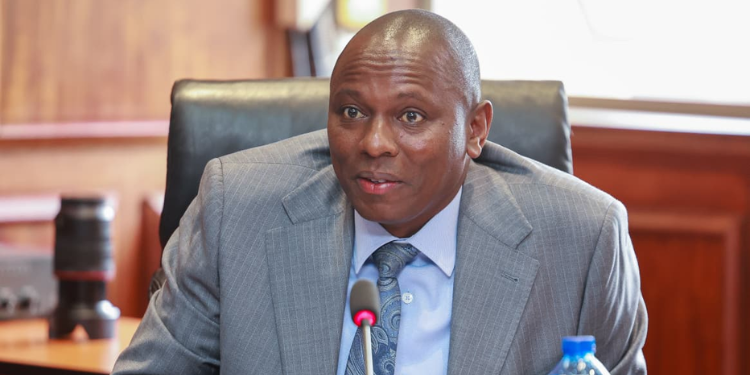
Appearing before the stakeholders, Health Committee Chairperson Dr. James Nyikal warned that many Kenyans incorrectly assume that registration alone guarantees access to all SHA services.
“Thirty million Kenyans have registered, but only about four to five million have paid their premiums. These are the people who can access inpatient services, yet many of the 30 million registered members believe they are entitled to the same benefits,” Dr. Nyikal told the meeting.
Following the ongoing public debate over the implementation of the Social Health Authority and access to healthcare services under the new universal health coverage framework, the Committee discussed the potential implementation of the SHA health coverage scheme.
Also Read: SHA Forced to Admit Error After Teachers’ Marriage Certificate Outcry
Parliament on Public Understanding of SHA
The Committee, chaired by Seme lawmaker Dr. James Nyikal, indicated that improving public awareness remains critical to the success of the government’s health financing reforms, noting that public misconceptions about the SHA requirement have contributed to confusion regarding the rollout of the health scheme.
According to Dr. Nyikal, a communication gap exists between government policy and the public’s understanding of the services available to registered members and contributors who have paid their premiums.
However, he clarified that all registered members can still receive healthcare services at government health centers and dispensaries even if they have not made premium contributions.
Further, Nyikal explained that the government fully finances primary healthcare services delivered at Level 2 and Level 3 facilities for all registered SHA members.
Services offered under the primary healthcare include treatment at dispensaries and health centers across the country, according to the Committee chair.
However, access to hospital admission and inpatient care is only available to members who have paid their SHA premiums, as explained by James Nyikal.
“If you are registered, you can receive services at health centers and dispensaries free of charge. However, for hospital admission and inpatient care, you must have paid the premium,” Dr. Nyikal explained.
SHA Premium Requirements
- Formal-sector workers contribute 2.75% of their gross salary.
- Informal sector workers contribute at least KSh 300 per month.
- Vulnerable households may have their contributions paid by the government.
MESHA Proposes Media Partnership with Parliament
Media for Environment, Science, Health and Agriculture (MESHA) Chief Executive Officer Daniel Aghan proposed a partnership with Parliament to improve public access to information on health and science policies.
The proposal includes monthly Science Media Cafés and special publications designed to simplify complex policy issues such as SHA implementation and the Tobacco Control Bill.
According to MESHA Project Officer Sharon Makimo, closer engagement between policymakers and journalists would help bridge the information gap between Parliament and the public.
MESHA’s partnership proposal was backed by the Health Committee, which expressed support for closer collaboration with science and health journalists.
Also Read: SHA Suspends M.P. Shah Hospital, Issues Advisory to Patients
MPS on Health Care Misinformation
Committee members also expressed concern over misinformation and its influence on public policy debates, with Nyikal citing the debate surrounding genetically modified organisms (GMOs).
On the other hand, Mwea MP Mary Maingi urged journalists to prioritize factual, evidence-based reporting when covering health and science matters.
In addition, she called for journalists to communicate scientific information in local languages to improve public understanding and trust.
Ndhiwa Member of Parliament Martin Owino raised concerns about the cultural attitudes that continue to discourage many men from seeking medical care, contributing to lower healthcare utilization among men.
The Committee also noted that many Kenyans continue to bypass lower-level healthcare facilities despite government efforts to strengthen them through a KSh19 billion investment program.
Follow our WhatsApp Channel and X Account for real-time news updates.