The U.S. Supreme Court ruled on June 24, 2026, that immigration officers at ports of entry need only a “reason to believe” a green card holder committed a disqualifying offense before treating the individual as an applicant for admission rather than a returning resident.
The 6-3 decision lowers the evidentiary threshold for Customs and Border Protection agents and could lead to more removal proceedings against lawful permanent residents.
The case involved Muk Choi Lau, a Chinese citizen and green card holder stopped at John F. Kennedy International Airport in 2012. Authorities linked him to a New Jersey counterfeiting investigation.
Instead of automatic readmission, he was placed in parole status. Lau later pleaded guilty. The ruling does not resolve whether his conviction qualifies as a crime involving moral turpitude, a key issue now back before the Second Circuit.
The Ruling
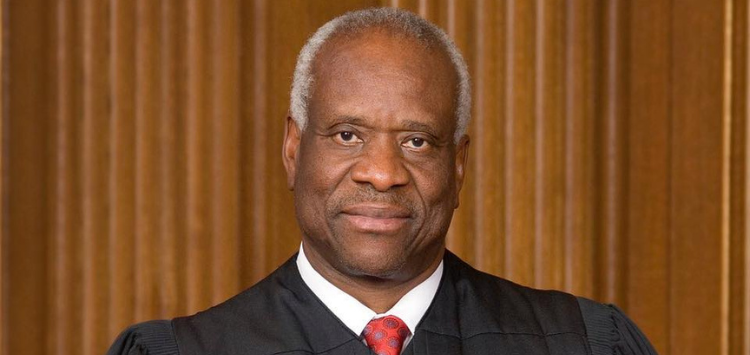
Writing for the majority, Justice Clarence Thomas held that the Immigration and Nationality Act requires only a “reason to believe” standard, rejecting the “clear and convincing evidence” threshold applied by several lower courts.
This change affects the procedural posture at the border. When officers classify a returning resident as an applicant for admission, the individual must often demonstrate eligibility to retain status, shifting the burden from the government.
Also Read: Green Card Applications Restarted for Immigrants After Court Ruled Against Trump
The decision stems from a dispute over burden of proof once a case enters the immigration system. Automatic readmission as a returning resident typically places the burden on the government in any later removal action.
Parole status changes that dynamic and can result in the confiscation of the physical green card during proceedings.
Impact on Returning Residents
Green card holders with criminal records, pending charges, or certain immigration issues now face heightened risks during international travel. Officers may initiate removal proceedings based on allegations involving fraud, theft, forgery, or other offenses before full resolution in criminal court.
Immigration attorneys have noted that even older or minor convictions can trigger secondary inspection, detention, or parole placement at airports and land borders.
The ruling applies to reentry decisions but does not alter the underlying grounds for deportation. A final removal still requires meeting statutory criteria.
Also Read: Obama-Era Green Cards Revoked as Rubio Targets Family of Iran Hostage Crisis Figure
Travelers with lengthy absences abroad or prior immigration violations may also encounter closer review. The decision aligns with stricter enforcement priorities at the border, allowing faster screening without full evidentiary hearings at ports of entry.
Crimes Involving Moral Turpitude
At the center of many such cases is the category known as crimes involving moral turpitude, or CIMT. Courts define these offenses case by case, typically covering conduct with elements of fraud, dishonesty, theft, or certain violent acts. A CIMT finding can block admissibility and trigger removal.
In Lau’s case, the Second Circuit must still determine whether his counterfeiting conviction meets this standard. The Supreme Court’s ruling focused on the initial classification at the border rather than the ultimate removability question.
Federal law generally allows lawful permanent residents to return from brief trips overseas, but exceptions exist for those linked to disqualifying offenses. Pending charges, not just convictions, can now factor into officers’ decisions under the new standard.