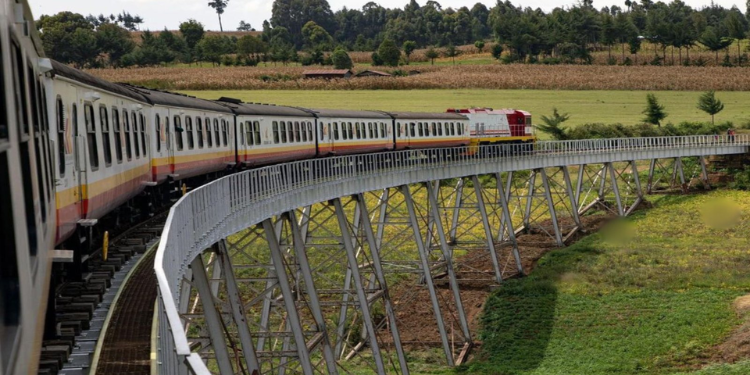
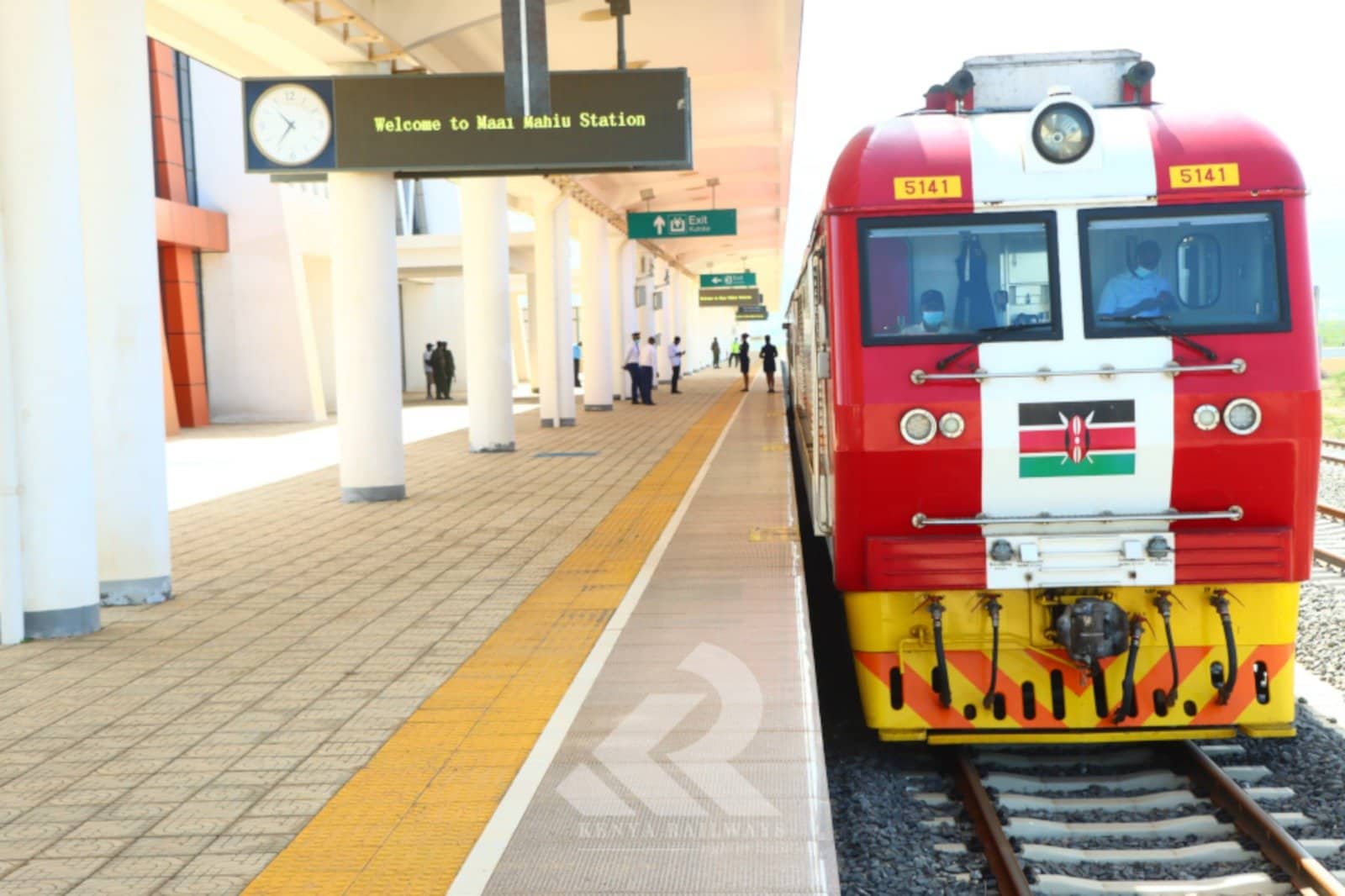
The Kenya Railways has unveiled plans for a major urban transport transformation project targeting the Nairobi Metropolitan Area, with investments in commuter rail upgrades, electrification, road infrastructure, and transit developments.
The project, titled the Kenya Urban Mobility Improvement Project (KUMIP), will be financed by the Government of Kenya in partnership with the World Bank and is expected to improve mobility within Nairobi and key commuter corridors.
“The project objective is to improve urban mobility within the Nairobi Metropolitan Area and land use planning along the identified commuter corridors. The project will support urban policy formulation, institutional strengthening, and improvement of commuter rail services, station access roads and transit-oriented development (TOD) around railway stations,” read the notice.
Nairobi-Thika Line and Rail Electrification Plan
According to Kenya Railways, one of the flagship components of the project will be the development of the Nairobi Central Station–Thika commuter rail line, a corridor expected to serve thousands of daily commuters traveling between Nairobi and the rapidly growing satellite towns along Thika Road.
Also Read: Kenyans Clone Kenya Railways Social Pages to Sell Fake Tickets
The project will also involve the electrification of the Nairobi Commuter Railway Network, a recent upgrade to Kenya’s urban rail transport system.
To support the expanded network, Kenya Railways plans to acquire new trainsets, including Electric Multiple Units (EMUs) and Diesel Electric Multiple Units (DEMUs), to improve passenger capacity, reliability, and operational efficiency.
The initiative is also set to include the development and equipping of maintenance workshops to service the new electric and diesel-powered trains.
The corporation also plans to establish a manufacturing unit for rolling-stock spare parts, permanent-way fittings, concrete sleeper manufacturing, and fasteners.
Transit-Oriented Developments and Road Infrastructure
The project seeks to reshape urban development patterns around key transport hubs through Transit-Oriented Developments (TODs).
Kenya Railways said it will undertake the planning and development of TODs along the Nairobi Central Station-Thika commuter corridor.
The project will also support the construction of prioritized access roads leading to commuter railway stations.
These roads will be complemented by multimodal transfer facilities designed to enable passengers to seamlessly switch between trains, buses, and other modes of transport.
The corporation also announced plans to construct the Likoni Road Over Railway Bridge and its associated road approaches, which are expected to improve traffic flow and reduce transport bottlenecks in the area.
Kenya Railways also plans to acquire maintenance rolling stock, including locomotives, ballast hopper wagons, low-sided wagons, and low loaders, to support railway maintenance and operations.
Also Read: Govt Confirms Mid-Term Dates Amid Pressure for Early Break
Private Sector Invited to Shape Procurement Strategy
Kenya Railways, alongside other implementing agencies and county governments within the Nairobi Metropolitan Area, will spearhead implementation of the project.
The corporation has since invited interested private sector stakeholders and industry players to a consultative meeting scheduled for June 24, 2026, at the Railway Training Institute in South B, Nairobi.
According to the notice, the meeting will provide general information on the project, present expected procurement packages, and gather feedback from potential suppliers and contractors.
Kenya Railways said it intends to obtain feedback on procurement approaches, market trends, pricing methods, alternative goods and services, innovative technologies, and common supply chain risks that could affect project delivery.
Interested stakeholders have been asked to confirm attendance by emailing [email protected] by 5 p.m. on June 21, 2026, to facilitate both physical and online participation.
Kenya Railways emphasized that all discussions during the engagement will be non-binding and purely consultative, with any resulting procurement processes to be conducted competitively under the World Bank Procurement Regulations for Investment Project Financing (IPF) Borrowers.
Follow our WhatsApp Channel and X Account for real-time news updates.