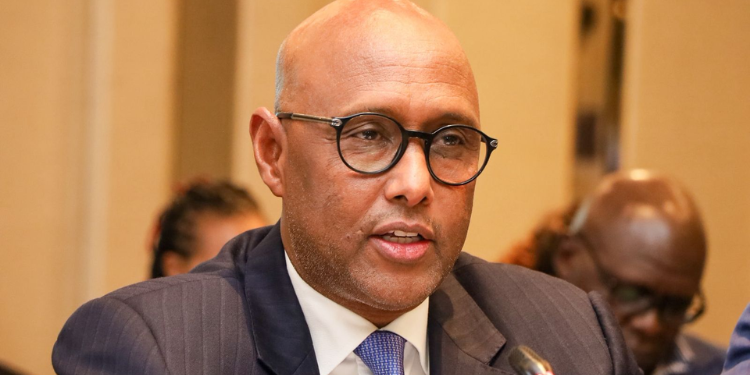
The Kenya Revenue Authority (KRA) has announced a raft of reforms aimed at making tax compliance easier for businesses, including plans to reduce Value Added Tax (VAT) refund processing time from several weeks to less than 10 minutes for eligible claims.
The reforms were unveiled during an engagement between KRA and the Kenya Private Sector Alliance (KEPSA) on Thursday, July 30, as the tax authority intensified efforts to create a fairer and more predictable tax environment while encouraging voluntary compliance.
KRA Commissioner General Adan Mohammed said the authority is focusing on reforms that will improve taxpayer experience, eliminate unfair competition and broaden the country’s tax base instead of increasing pressure on compliant taxpayers.
“Our commitment is to create a level playing field where every business competes fairly and every taxpayer meets their obligations. When some businesses evade taxes while others comply, compliant businesses are unfairly disadvantaged. Our objective is to build a tax system that is fair, transparent, predictable and efficient for all taxpayers from micro-enterprises to large corporations,” stated the Authority.
VAT Refunds to Be Processed Faster
Among the key reforms announced is the integration of the Integrated Customs Management System (iCMS) with iTax, a move KRA says will automate verification of import and export transactions while significantly reducing human intervention.
Also Read: KRA Explains What Happens to a Tax PIN After Death
The new system will also shorten the processing period for eligible VAT refund claims from several weeks to less than 10 minutes, improving cash flow for businesses and increasing transparency in tax administration.
“The reforms are also expected to reduce Value Added Tax (VAT) refund processing timelines from several weeks to less than ten minutes for eligible claims, improving cash flow for businesses while enhancing transparency and accountability,” stated KRA.
Adan Mohammed acknowledged concerns from the private sector over delays in VAT refunds and assured businesses that KRA is reviewing its systems to ensure fair treatment for taxpayers of all sizes.
He added that the authority wants businesses to spend less time dealing with tax processes and more time growing the economy.
“We want businesses to succeed because when businesses grow, tax revenues grow naturally. Our responsibility is to ensure that taxpayers who are willing to comply can do so through simple, reliable and efficient systems.”
KRA Targets Fair Competition
The Commissioner General further said Kenya’s tax burden continues to fall on a relatively small number of compliant taxpayers, making it necessary to expand the tax base by bringing more businesses into compliance rather than imposing additional obligations on those already paying taxes.
Also Read: KRA Unveils Abandoned Goods Set for Public Auction [LIST]
He noted that KRA is also reviewing inconsistencies in the classification of raw materials and intermediate goods, saying the current system has created market distortions that disadvantage compliant businesses.
According to Mohammed, tax incentives should ultimately benefit consumers through lower prices and increased productivity rather than creating unfair competitive advantages.
Private Sector Wants Faster Tax Dispute Resolution
During the engagement, KEPSA called on KRA to strengthen the use of Alternative Dispute Resolution (ADR) mechanisms to resolve tax disputes more quickly.
The private sector proposed reducing the current dispute resolution period from 120 days to about 90 days, arguing that quicker resolutions would allow businesses to focus on investment and expansion instead of lengthy tax disputes.
The meeting also discussed strengthening regional customs cooperation, improving data sharing and using technology-driven customs processes to facilitate legitimate trade while tackling illicit trade and revenue leakages.
Mohammed encouraged businesses to engage KRA whenever they encounter tax-related challenges, saying dialogue between the authority and taxpayers is important to building trust and improving compliance.
“Tax administration works best when government and the private sector work together. Through continuous dialogue, digital innovation and shared responsibility, we can build a tax system that promotes fairness, encourages investment and supports Kenya’s economic growth,” noted KRA.
KRA said it will continue working with KEPSA and other stakeholders to implement practical reforms that improve taxpayer experience, strengthen voluntary tax compliance and create a more competitive business environment.
Follow our WhatsApp Channel and X Account for real-time news updates.