
Motorists and residents in Nairobi have been warned to brace for traffic disruptions ahead of the Africa Forward Summit set to take place in the city from May 11 to May 12.
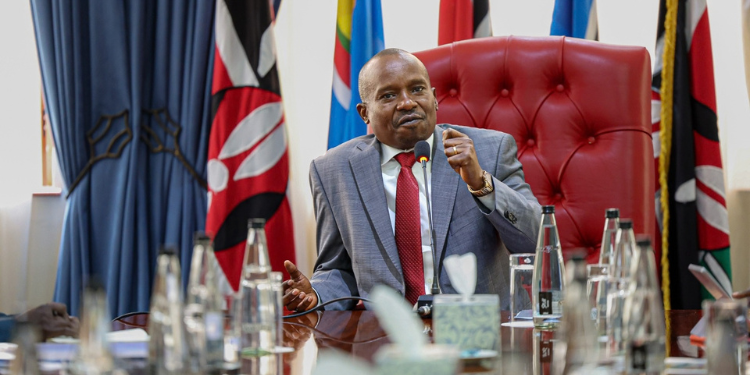
In a public advisory issued by the Office of the Government Spokesperson on Friday, the government said heavy movement of Very Very Important Persons (VVIPs) will affect key roads within and around the capital, leading to delays and restricted access in several areas.
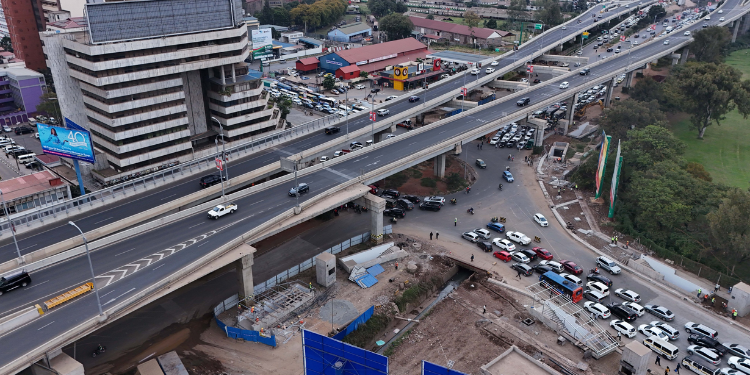
The notice, dated May 8, states that major transport corridors, including Mombasa Road, Lang’ata Road, Thika Road, Limuru Road, and Kiambu Road, will experience intermittent interruptions as high-level delegations arrive and move between venues.
The government said the measures are necessary to ensure the safety and smooth movement of visiting dignitaries attending the high-profile summit, which is expected to draw leaders, investors, and policymakers from across Africa and beyond.
Such movements typically involve escorted motorcades, temporary road stoppages, and rolling traffic controls to allow secure passage of high-level delegations.
Closure of Major Nairobi Roads
The government spokesperson announced that several roads in Nairobi’s central business district will be closed starting midnight on May 11.
The affected routes include City Hall Way, Parliament Road, Harambee Avenue, and Taifa Road.
Also Read: Employers Push Back on 12% Wage Increase After Ruto’s Directive
The affected CBD roads host critical government offices, Parliament buildings, and key administrative centers, making them highly sensitive zones during high-level international events.
During this period, only vehicles accredited to access the Kenyatta International Convention Center (KICC), the main venue of the summit, will be allowed to pass through restricted areas.
Security agencies are expected to control movement around these zones tightly, with police officers deployed to manage traffic flow and enforce the restrictions.
The advisory did not specify exact reopening times for the affected roads.
However, it indicated that normal operations would resume once summit activities conclude or when it is “safe to do so”.
Public Urged to Plan Ahead
Members of the public have been advised to plan their trips in advance and, where possible, avoid the affected routes to minimize inconvenience.
The government further urged motorists and pedestrians to cooperate with traffic police and follow all issued directions to ensure smooth coordination during the summit.
“Public advised to avoid affected areas and follow police directions,” read part of the notice issued by the government spokesperson.
Commuters who rely on public transportation have also been encouraged to plan for possible delays, especially during peak hours when road closures and VVIP movements are expected to intensify.
Also Read: KeNHA Announces Temporary Closure of Uhuru Highway
Matatu operators and ride-hailing services may be forced to adjust routes or fares because of restricted access, affecting thousands of residents who rely on daily transportation for work and essential services.
The Africa Forward Summit is considered a key event for strengthening economic partnerships, boosting investment, and promoting regional integration.
However, such high-level gatherings typically entail extensive security measures that disrupt normal city operations.
City authorities have, in past events, implemented similar traffic management plans that, while necessary for security, have often led to heavy congestion and longer travel times.
Motorists and residents who frequently use the listed major highways have been advised to consider alternative routes or adjust their travel schedules to avoid peak periods of disruption.
As Nairobi prepares to host the continental event, the government spokesperson reiterated that patience and cooperation from the public will be critical in ensuring both the success of the summit and the safety of participants.
The summit will bring together more than 30 African heads of state and government, the Presidents of Kenya and France as co-hosts, representatives from the African Union, the European Union, and global institutions, more than 1,500 business leaders, investors, and CEOs, and civil society groups, youth leaders, and innovators.