



























































A new report shows that more Kenyans are purchasing goods despite the presence of inflation, driven largely by improved consumer purchasing power and easing cost pressures.
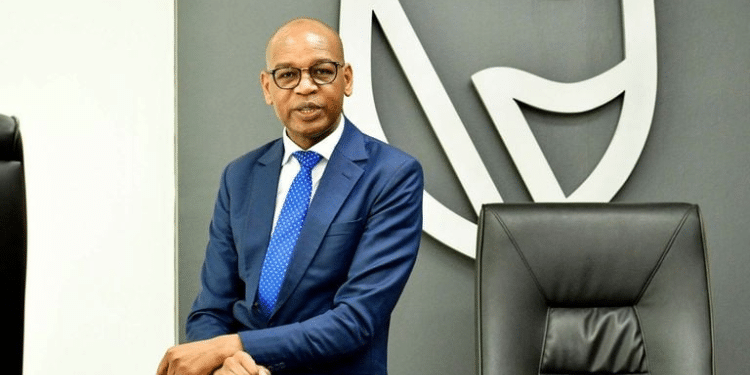
According to the November survey released on Wednesday, December 3, by Stanbic Bank, the rise in demand was supported by relatively soft inflation, successful marketing campaigns, and the launch of new products.
Firms also reported stronger customer sales, higher input purchases, and faster employment growth as demand continued to rise.
“The Kenya PMI® pointed to a strengthening of growth in the private sector economy in November, as business activity and new work both expanded at the sharpest rates in over five years. Firms experienced improving customer sales, helped by relatively soft inflationary pressures, as well as successful new product launches and marketing campaigns,” said the report.
Stanbic Bank Report: Number of Kenyans Buying Goods Rose Despite Inflation
According to the Stanbic Bank survey, companies frequently noted that improved customer purchasing power contributed to higher sales volumes.
This trend was partly linked to a moderation in inflationary pressures, as reflected in the data.
The report also indicated that selling charges increased only slightly and at the slowest rate since August, while input costs rose by the smallest extent in 18 months.
Also Read: Why Kenyan Employers Are Quietly Hiring Across Private Sectors
Panelists further highlighted the effectiveness of new marketing initiatives, increased customer referrals, and rising demand for innovative products.
“Notably, sales growth was broad-based in November, with all five monitored sectors reporting an increase compared to the previous month,” the report stated.
Why Kenyan Employers Are Being Hired Across Private Sectors
Standard Bank Economist Christopher Legilisho, the November PMI data shows clear evidence of strengthening economic activity, supported by rising consumer demand and ongoing policy measures.
“The Kenya Purchasing Managers’ Index (PMI) put on a fair show in November due to steady and improving business conditions in the private sector. The stimulus measures by the authorities over the last 12 months are now showing up in the real economy. Purchasing activity and inventory levels strengthened as the effects of more enthusiastic consumer spending prompted firms to ramp up production to meet expected demand.
Also Read: Stanbic Bank Introduces Cheap Solar Loans for Small Businessowners in Kenya
He further explained that inflationary pressures remained contained, providing businesses with some relief despite ongoing cost challenges.
“Inflation expectations are anchored, as echoed by the survey. Kenyan businesses reported softer increases in input, purchase, and output prices, while wage costs remained unchanged. However, firms still note rising material prices and higher taxation as impacting their margins.”
In terms of employment, the Employment Index remained above 50 for ten consecutive months, indicating consistent job growth across all five monitored sectors.
The report showed that the pace of job creation was the second fastest in over two years. “Employment levels ticked up at one of the fastest rates this year due to improving economic conditions,” the report noted.
“Employment increased for the tenth consecutive month, with the latest growth being the second fastest since August 2023.”
Follow our WhatsApp Channel and X Account for real-time news updates.