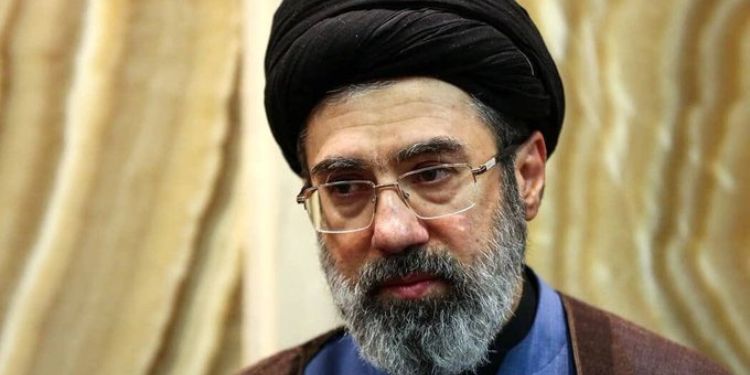
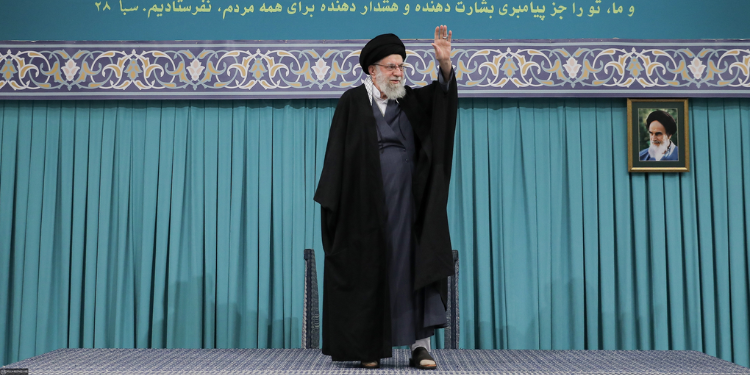
Two Iranian Ayatollahs, Hossein Nouri Hamedani and Naser Makarem Shirazi, have called for a prompt selection of a successor to the late Supreme Leader Ayatollah Ali Khamenei.
According to Tasnim news agency on March 7, Nouri Hamedani said that it is crucial to thwart the enemy, maintain the nation’s current unity and solidarity, and back the armed forces defending the country against aggressors.
On his part, Makarem Shirazi noted that handling this matter promptly will result in an even better organization of national affairs.
Grand Ayatollah Naser Makarem Shirazi, a senior Iranian Shia religious authority, said a prompt appointment was necessary to help improve the organization of the country’s affairs.
Recently, two senior Shia clerics issued fatwas urging Muslims worldwide to respond to Khamenei’s death.
Makarem Shirazi stressed that it is a religious duty for Muslims until the criminals’ actions are fully addressed.
Process of Choosing Supreme Leader
Under Iran’s constitution, a temporary three-person council, made up of the president, a senior cleric, and the judiciary chief assume the duties of the Supreme Leader until the Assembly of Experts selects a permanent replacement.
The law requires that a new Supreme Leader be appointed within three months. However, with ongoing conflict, it remains uncertain how swiftly the 88-member Assembly can meet in full.
Some sources indicate that a number of clerics have already begun preliminary discussions through online consultations.
According to Iran International, an opposition‑linked media outlet, Iran’s Assembly of Experts reportedly selected Mojtaba Khamenei, the son of the late Supreme Leader Ayatollah Ali Khamenei, as the country’s next Supreme Leader on Tuesday, March 3.
Also Read: Iran’s Future After Khamenei: U.S. Stakes as Trump Weighs in Succession Influence
Senior clerics responsible for selecting Iran’s next Supreme Leader reportedly held two separate online sessions on Tuesday to discuss possible successors to Ayatollah Ali Khamenei, according to The New York Times.
During those remote discussions, Mojtaba Khamenei, the late leader’s son, was seen as the leading candidate for the role.
Mojtaba Khamenei is the second-oldest son of Ayatollah Ali Khamenei. He is a mid-ranking cleric and served in Iran’s armed forces during the Iran-Iraq war.
Also Read: Who Is Ali Khamenei’s Son Mojtaba Set to be Iran; Supreme Leader as Trump Explores Backing Militias?
Iran’s Supreme Leader Khamenei Names Successors Should the US and Israel Eliminate Him
In June 2025, the late Ayatollah Ali Khamenei identified three high-ranking clerics as potential successors in the event of his death amid the escalating conflict with Israel.
Khamenei appointed three senior clerics as potential successors and also outlined replacements within the military leadership, anticipating the possible loss of more top officials.
According to The New York Times, Khamenei had also taken the “unusual step” of directing Iran’s Assembly of Experts—the body responsible for appointing the supreme leader—to select his successor from the three individuals he had named.
While the names of the three clerics remained undisclosed, the directive was viewed as a measure to guarantee a smooth and rapid transition of power.
“Ayatollah Khamenei’s son Mojtaba, also a cleric and close to the Islamic Revolutionary Guards Corps, who was rumoured to be a front-runner, is not among the candidates,” the report said.
Khamenei also appointed successors within his military command structure to ensure continuity if additional senior officials were killed.
This came after the elimination of Saeed Izadi, commander of the Palestine Corps, which was confirmed by the Israel Defence Forces.
Follow our WhatsApp Channel and X Account for real-time news updates.