
Mojtaba Khamenei, son of the late Supreme Leader Ayatollah Ali Khamenei, has reportedly been chosen as Iran’s next Supreme Leader amid reports of influence by the Islamic Revolutionary Guard Corps (IRGC).
A report by Iranian opposition-linked outlet Iran International published Tuesday, March 3, claimed that Iran’s Assembly of Experts chose Mojtaba Khamenei under pressure from the IRGC.
Iran International reported, citing informed sources, that “The Assembly of Experts elected Ali Khamenei’s son Mojtaba as the next Supreme Leader.”
However, Iranian state authorities have not publicly confirmed this claim.
The New York Times, citing three Iranian officials, reported that senior clerics met online on Tuesday to discuss who would succeed Ayatollah Ali Khamenei after his death.
According to the officials, the Assembly of Experts held two online meetings, one in the morning and one in the evening. Mojtaba Khamenei was the clear front-runner in these discussions.
Some clerics reportedly hesitated to make an immediate announcement, concerned that officially naming him could make him a target for the United States and Israel.
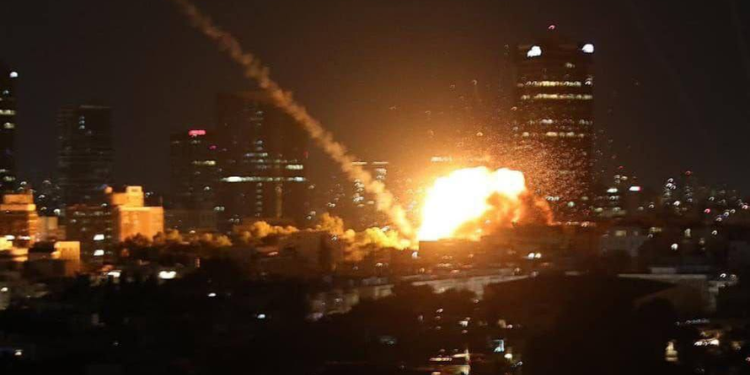
Israel struck a building in Qum, a major center of Shia Islam, where the Assembly of Experts was scheduled to meet.
Fars News Agency, which is affiliated with the IRGC, reported that the building was empty during the strike.
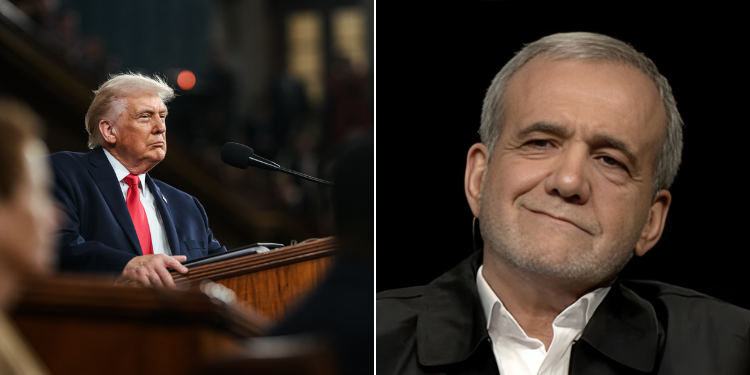
U.S. President Donald Trump on Tuesday also repeated a claim that 49 Iranian leaders were “taken out” on Saturday and said there was “another hit today on the new leadership”, without giving any details.
When asked by a reporter who he would like to take over after the conflict, Trump replied: “Most of the people we had in mind are dead.”
Axios, citing an Israeli defense official, reported that on Tuesday the Israeli air force also struck the building housing Iran’s Council of Experts in Qom to disrupt the process of appointing a new supreme leader.
Who is Mojtaba Khamenei?
Mojtaba Khamenei is the second-oldest son of Ayatollah Ali Khamenei. He is a mid-ranking cleric and served in Iran’s armed forces during the Iran-Iraq war.
Observers have long noted the 56-year-old’s close ties to the IRGC. Iran International reported that the IRGC “heavily pressured” the Assembly of Experts to back Mojtaba as the regime’s new leader.
The Supreme Leader holds ultimate authority within Iran’s political system, which is structured as a Shiite theocracy.
The position includes serving as commander-in-chief of the armed forces and head of the IRGC, a paramilitary force designated a terrorist organization by the United States in 2019.
During Ali Khamenei’s 36-year tenure, the Revolutionary Guard expanded its influence across Iran’s political, military, and economic spheres.
Mojtaba reportedly managed the Office of the Supreme Leader and is seen by many analysts as a key power broker in the system.
However, The New York Times reported last year that Ayatollah Ali Khamenei named three senior clerics as possible successors, and Mojtaba was not on that list.
Also Read: Netanyahu Calls for a Coup in Iran After Eliminating Ayatollah Ali Khamenei with Precision
The Middle East Institute in Washington has pointed out that the deaths of senior leaders do not automatically lead to regime change in Iran.
Ayatollah Ali Khamenei, who was killed in U.S.-Israeli strikes over the weekend, will be buried in the holy city of Mashhad, according to Fars News Agency.
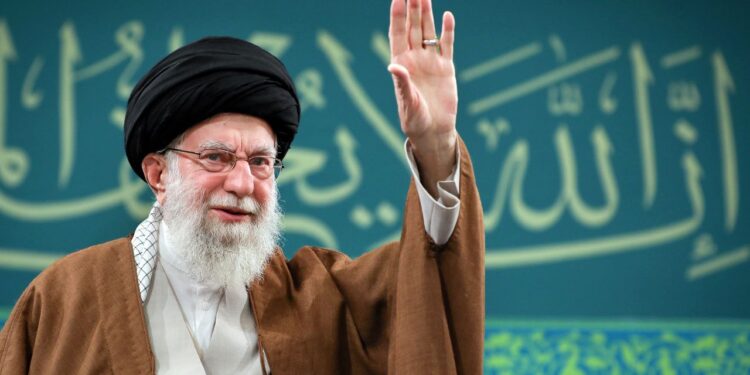
Khamenei, who died at 86 after leading Iran for 36 years, was originally from Mashhad, the country’s second-largest city. His father is buried at the Imam Reza shrine there. No date for the burial has been announced yet.
Trump administration eyes engaging Kurdish forces
The reported decision on succession comes as the Trump administration works with Iranian opposition groups and Kurdish leaders in Iraq.
CNN, citing several sources, reported that the Central Intelligence Agency (CIA) is working to supply weapons to Kurdish forces to encourage a popular uprising in Iran.
Sources said the administration has been actively discussing military support with Iranian opposition groups and Kurdish leaders in Iraq.
Iranian Kurdish armed groups are active along the Iraq-Iran border, mainly in Iraq’s Kurdistan region. Since the conflict began, several groups have issued public statements suggesting imminent action and urging Iranian military forces to defect.
On Tuesday, Iran’s IRGC said it used dozens of drones to target Kurdish forces.
CNN also reported that President Donald Trump spoke with Mustafa Hijri, president of the Democratic Party of Iranian Kurdistan (KDPI), according to a senior Iranian Kurdish official. The KDPI was among the groups targeted by the IRGC.
Also Read: Drone Reportedly Strikes CIA Facility After Iran Strikes U.S. Embassy in Saudi Arabia
A senior Kurdish official told CNN that Iranian Kurdish opposition forces are expected to join a ground operation in western Iran in the next few days.
“We believe we have a big chance now,” the source said, adding that the militias expect support from the U.S. and Israel.
Axios first reported that, according to two U.S. officials and another source, Trump spoke with Iraqi Kurdish leaders on Sunday about U.S. military operations in Iran and future coordination.
Arming Iranian Kurdish groups would require help from Iraqi Kurdish authorities to move weapons and use Iraqi Kurdistan as a base.
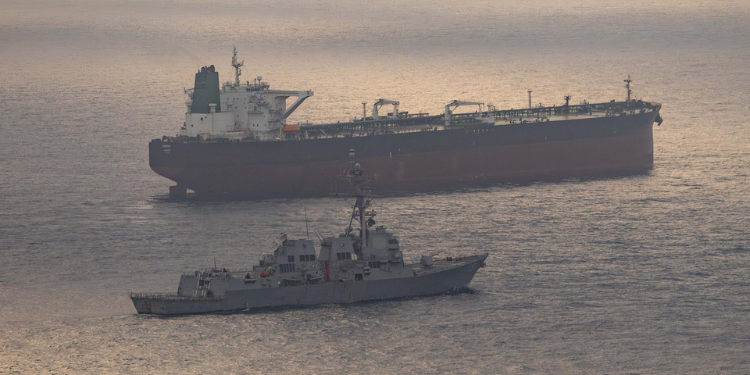
The U.S. and Israel bombed targets across Iran for a fourth day. President Trump said the country’s air defenses, air force, navy, and leadership were “gone”.
The Israeli military said it struck Iran’s presidential office, a secret nuclear site, and a Revolutionary Guards commander in Tehran. The U.S. military said it destroyed command centers, missile launch sites, and airfields.
In response, Iran has launched deadly missile and drone attacks on Israel and Gulf states that host U.S. bases.
Follow our WhatsApp Channel and X Account for real-time news updates.