


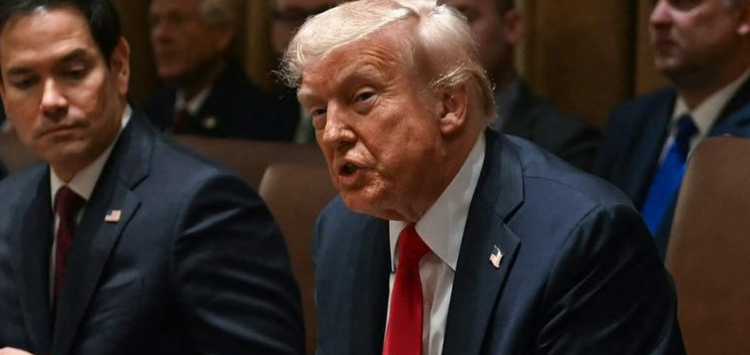
Panic is mounting as President Donald Trump faces stark warnings that deploying American ground troops into Iran could lead to heavy casualties, after Tehran vowed severe consequences for any incursion.
Iran has told Trump that any ground troops sent into the country will enter a “swamp of death.” The warning came hours after American officials confirmed the arrival of thousands of marines in the Gulf and reports surfaced of plans for limited raids on Iranian soil.
Iran’s Forces Ready for Ground Assault
Iran’s parliamentary speaker, Mohammad-Bagher Ghalibaf, accused the United States of secretly planning a ground attack while discussing diplomatic solutions.
He spoke two days after the USS Tripoli, an amphibious assault ship, reached the Middle East on 27 March carrying marines and sailors. “Our firing continues. Our missiles are in place.
Our determination and faith have increased,” Ghalibaf said. He added that Iranian forces were waiting for American soldiers to land so they could “set them on fire and punish their regional partners forever.”
Islamic Revolutionary Guard Corps spokesman Ebrahim Zolfaqari issued a separate warning. “Unfortunately, the leaders of the United States have delegated the authority to command the armed forces to someone who, due to imbalance, dangerous and wrong positions and decisions, has led the US army into the swamp of death,” he said.
Also Read: Tough Moment for Trump as Americans Fear for their Lives after He Warned of massive Iran Bombing
Iran has maintained its blockade of the Strait of Hormuz, trapping about 2,000 vessels and driving up global fuel prices. A barrel of crude oil has risen from around £50 to as high as £85 since the conflict began.
US Deploys Marines to Persian Gulf
Around 3,500 US marines and sailors arrived with the USS Tripoli, equipped with transport and strike fighter aircraft plus amphibious and tactical assets. US officials have told reporters that any ground operation would involve raids rather than a full invasion.
Targets under discussion include Kharg Island, Iran’s main oil export terminal in the Persian Gulf, and coastal areas near the Strait of Hormuz. The aim would be to destroy weapons that threaten shipping. One official said such operations could last “a couple of months.”
US Secretary of State Marco Rubio stated on 28 March that America could meet all its objectives without sending in ground troops. President Trump has said negotiations with Tehran are “going very well” and extended a deadline for Iran to reopen the strait until 6 April. Pakistan has offered to host talks between the two sides in the coming days.
Electricity supplies were cut in parts of Tehran and nearby Karaj after strikes on infrastructure. The war is now in its fifth week. Thirteen US troops have been killed in action.
Also Read: Fear as Trump is Warned of Grave Consequences for Escalating War as 10K Evacuated From Middle East
Britain is preparing to send a Royal Navy ship fitted with autonomous mine-hunting drones to the area to help keep merchant shipping moving. Trump has criticised the UK for not joining efforts more enthusiastically.
Why this matters
The sharp exchange between Tehran and Washington has raised immediate fears of a wider clash on the ground. With marines already in position and both sides refusing to back down, the risk of American casualties in any landing operation has become the central concern in the region.
Oil markets remain on edge, and the flow of energy through the Strait of Hormuz stays blocked.
The warnings from Iran’s top officials show the country believes it can turn any US ground move into a costly trap. At the same time, Trump’s public threats to seize key oil sites have left little room for de-escalation before the April deadline.


Escalating military actions, especially involving ground troops, always carry huge risks, not just for soldiers but for regional stability as a whole. The rhetoric on both sides also seems to be getting more aggressive, which rarely leads to good outcomes.