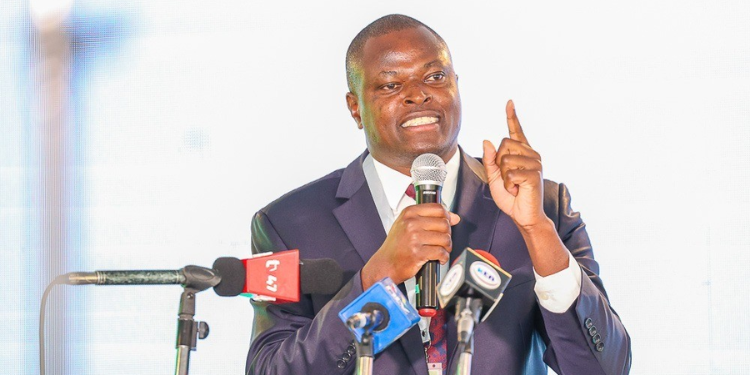

Presidential Council of Economic Advisors Chairperson David Ndii has revealed whether Kenya will have free education from primary to university.
In an X reply, Ndii has outlined the practical realities of funding education from primary school to university, emphasizing that while some levels are affordable, others remain a huge financial burden.
Free Primary and Day Secondary Education Is Achievable
According to Ndii, the Kenyan government has the capacity to fund free primary and day-secondary education within its current budget without starving other areas.
Also Read: Govt Terminates Diploma in Early Childhood Education, Orders Immediate Suspension of Admissions
He suggests an annual cost of KSh 20,000 per student and KSh 35,000 per day for secondary students.
“Right direction. Primary 20k is about right. Day secondary 35k is adequate,” said Ndii.
The Kenyan government has maintained free primary and day secondary education policies for several years under the Free Day Secondary Education (FDSE) and Free Primary Education (FPE) schemes.
For the 2026 Academic year, the Ministry of Education announced that it had disbursed Ksh 4.4 billion in capitation to public primary and secondary schools.
The government allocated Ksh 51.9 billion for Free Day Secondary Education (FDSE) and Ksh 28.9 billion for Junior Secondary School (JSS) capitation in the 2025/26 financial year.
David Ndii on Boarding Schools and University Education
The high costs of boarding and university fees make universal free access nearly impossible without increased government spending or reallocation of funds from other sectors.
While Ndii suggests that day schooling is manageable, boarding secondary schools and universities present major budgetary challenges.
Ndii notes that boarding costs approximately KSh 75,000 per student per year, and TVET costs KSh 75,000 per student per year. If half of secondary students attend boarding schools, the total cost could exceed KSh 150 billion annually, placing a severe strain on the national budget.
Boarding and university are the killers,” Ndii explained, emphasizing that these segments of education are far more expensive and difficult to finance for all students. Bursaries and Targeted Support Are Key
Also Read: Ogamba Announces When Govt Will Gazette New Fees for Senior Schools
Ndindi Nyoro Proposes a Free Education Kitty in Kenya
On 26th January, Kiharu Member of Parliament, Ndindi Nyoro, proposed the creation of a national education kitty to fund free day secondary education in the country.
According to the lawmaker, the program would require about Sh30 billion annually, and the capitation can be raised by consolidating existing education funds and adding support from the national government.
Under his proposal, K Sh20 billion would be raised from existing devolved funds, with Sh10 billion drawn from the National Government Constituencies Development Fund (NG-CDF) and KSh10 billion raised by county governments through deductions from their equitable share.
The national government, through budget adjustments within the Ministry of Education, will raise the remaining Ksh 10 billion.
Earlier in January, Nyoro announced a major reduction in day-secondary school fees in the Kiharu Constituency, from Ksh 1,000 to Ksh 500 per term, for all learners from Grade 10 to Form Four under the Kiharu Masomo Bora Programme 2026.
The reduction is expected to benefit more than 12,000 students across 65-day secondary schools in Kiharu constituency, making secondary education more affordable and accessible to thousands of families.
Follow our WhatsApp Channel and X Account for real-time news updates.