The sun is setting. A highly hyped VURUGU boxing match is underway at Kasarani Indoor Arena. Fans of Majembe and MBAVU Destroyer are thronging the venue. The noise grows louder as you approach the gates: “Majembe! Majembe!” The chants intensify—“Ni Mbayaa! Weka Mawe! Weka Mawe!”
The match begins. The referee signals. Spectators erupt, cheering their boxers on. Then suddenly—darkness. A power outage.
What happens next? Does the fight go on, or does everything come to a halt?
That moment captures Kenya’s energy reality.
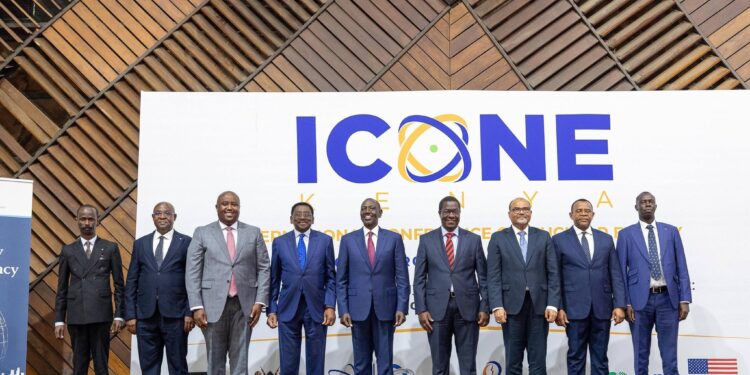
The recently concluded ICoNE 2026 conference brought together governments, regulators, experts, and global institutions to explore how nuclear energy can power Africa’s future under the theme “Harnessing Nuclear Energy for Africa’s Development.” It sent a strong signal to investors, governments, and citizens that Kenya is ready to engage with nuclear energy—seriously and safely.
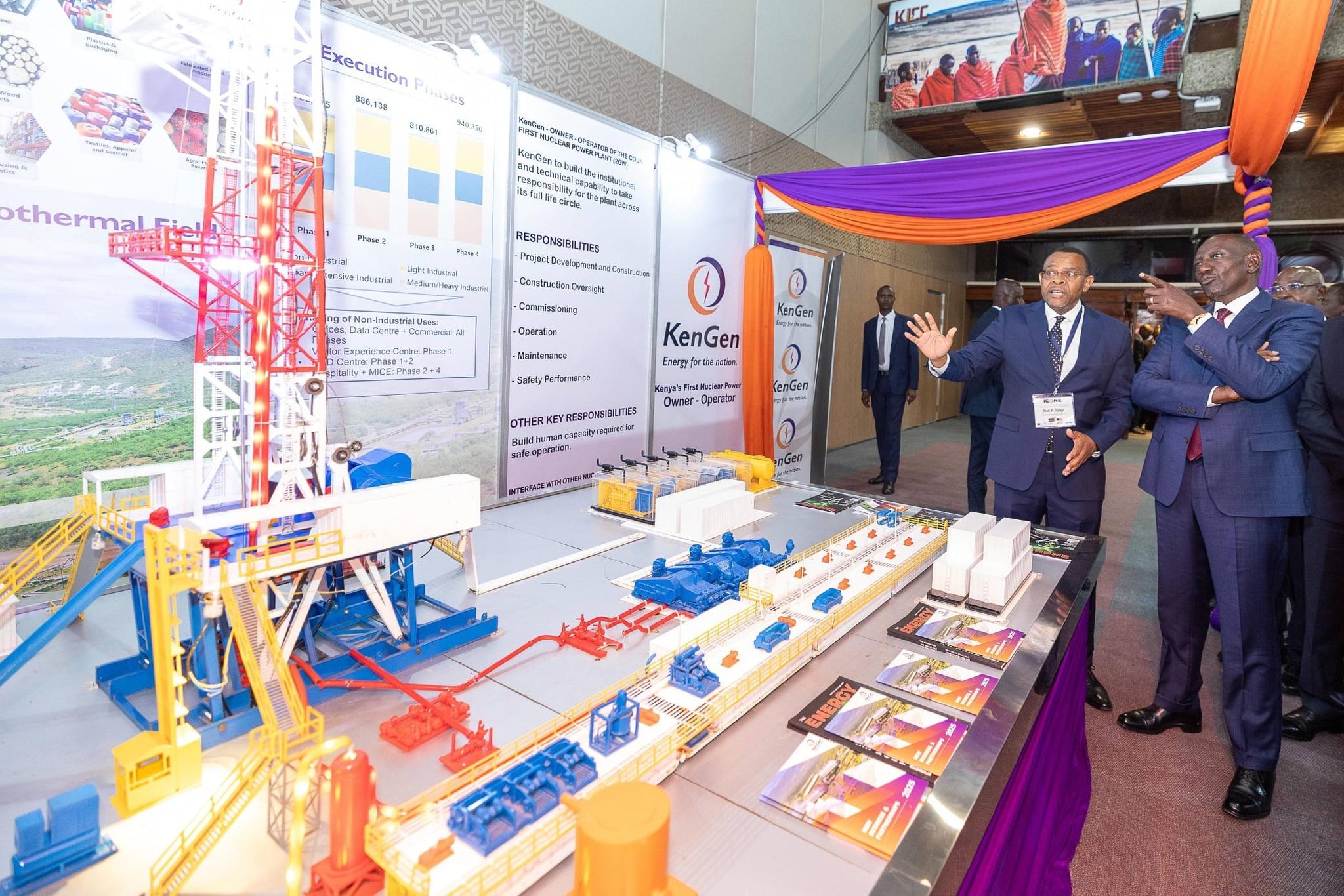
President William Ruto delivered a keynote address highlighting nuclear energy’s potential to provide clean, reliable electricity while strengthening energy security and driving economic growth. He also outlined Kenya’s progress in developing its nuclear power program and future plans for nuclear development.
Africa’s energy demand is rising fast, driven by population growth, urbanization, and industrialization. As countries explore nuclear energy to diversify their energy mix and reduce emissions, ICoNE 2026 emphasized regional cooperation, institutional capacity building, and informed public engagement among policymakers, regulators, industry players, and civil society.
Also Read: Opinion | Nuclear Energy Debate: An Invented Crisis with billions of casualties
However, one issue stood out clearly—the fear of nuclear accidents. Past disasters such as Three Mile Island, Chornobyl, and Fukushima Daiichi still shape public perception. Much of the debate around nuclear energy in Africa revolves around technology transfer, financing, and infrastructure readiness.
So, is Kenya truly ready for Nuclear Energy?
A major gap lies in nuclear communication. There’s a misconception that discussing safety creates fear. In reality, transparency builds trust. How the nuclear message is packaged matters. Civic education in the proposed project areas must be done effectively and honestly. At the same time, misinformation—especially from leaders driven by self-interest—must be addressed early and decisively.
The Kenya Electricity Generating Company (KenGen) and the Kenya Nuclear Power and Energy Agency recently signed a landmark Memorandum of Understanding establishing a Joint Engagement Framework. This represents one of the most comprehensive public engagement efforts in Kenya’s energy sector—aimed at building trust, awareness, and national readiness.
Also Read: Opinion | From Rain-Soaked Commutes to Nuclear Power: Why Kenya’s Energy Future Can’t Wait
Nuclear energy is increasingly seen as the next frontier for countries seeking stable, affordable, low-carbon baseload power. Designating KenGen as the owner-operator leverages its experience and public credibility. As electricity demand continues to rise, Kenya must secure reliable energy sources to keep industries running and the economy growing.
But tough questions remain.
With KSh 500 billion earmarked for the Siaya nuclear project, do we have enough local engineers and scientists with hands-on experience in operating nuclear reactors? Or will we rely heavily on foreign expertise? Are we investing adequately in training our own professionals—perhaps in global nuclear hubs like Vienna?
Openness, honesty, and the right expertise at the forefront will determine whether this journey bears fruit—or stalls before it even begins.