
Wednesday, June 3, 2026
  • News
    • Latest News
    • Breaking News
    • Fact Check
    • Investigations
    • Explainers
  • Politics
    • Global Politics
    • Elections
    • Government & Policy
    • Diplomacy
    • Conflicts & Security
    • Political Analysis
  • Business
    • Global Economy
    • Markets
    • Technology
    • Startups
    • Energy
    • Finance
  • World News
    • Americas
    • Asia
    • Asia Pacific
    • Africa
    • Europe
    • Middle East
  • Africa
    • Central Africa
    • East Africa
    • West Africa
    • Southern Africa
  • Health
    • Global Health
    • Public Health
    • Health Policy
    • Medical Research
    • Diseases & Conditions
    • Mental Health
    • Nutrition
    • Climate & Health
    • Health Explainers
  • Sports
    • Athletics
    • Basketball
    • Boxing
    • Cricket
    • Football
    • Formula 1
    • Golf
    • Rugby
  • Weather
    • Climate Business
    • Climate Change
    • Climate Solutions
    • Living Green
  • Culture
    • Arts
    • Film & TV
    • Food
    • Music
    • Lifestyle
    • Travel
  • Opinion
    • Editorials
    • Letters
  • Behind The Brand
REGISTER
LOGIN
No Result
View All Result
The Kenya Times
  • News
    • Latest News
    • Breaking News
    • Fact Check
    • Investigations
    • Explainers
  • Politics
    • Global Politics
    • Elections
    • Government & Policy
    • Diplomacy
    • Conflicts & Security
    • Political Analysis
  • Business
    • Global Economy
    • Markets
    • Technology
    • Startups
    • Energy
    • Finance
  • World News
    • Americas
    • Asia
    • Asia Pacific
    • Africa
    • Europe
    • Middle East
  • Africa
    • Central Africa
    • East Africa
    • West Africa
    • Southern Africa
  • Health
    • Global Health
    • Public Health
    • Health Policy
    • Medical Research
    • Diseases & Conditions
    • Mental Health
    • Nutrition
    • Climate & Health
    • Health Explainers
  • Sports
    • Athletics
    • Basketball
    • Boxing
    • Cricket
    • Football
    • Formula 1
    • Golf
    • Rugby
  • Weather
    • Climate Business
    • Climate Change
    • Climate Solutions
    • Living Green
  • Culture
    • Arts
    • Film & TV
    • Food
    • Music
    • Lifestyle
    • Travel
  • Opinion
    • Editorials
    • Letters
  • Behind The Brand
  • News
    • Latest News
    • Breaking News
    • Fact Check
    • Investigations
    • Explainers
  • Politics
    • Global Politics
    • Elections
    • Government & Policy
    • Diplomacy
    • Conflicts & Security
    • Political Analysis
  • Business
    • Global Economy
    • Markets
    • Technology
    • Startups
    • Energy
    • Finance
  • World News
    • Americas
    • Asia
    • Asia Pacific
    • Africa
    • Europe
    • Middle East
  • Africa
    • Central Africa
    • East Africa
    • West Africa
    • Southern Africa
  • Health
    • Global Health
    • Public Health
    • Health Policy
    • Medical Research
    • Diseases & Conditions
    • Mental Health
    • Nutrition
    • Climate & Health
    • Health Explainers
  • Sports
    • Athletics
    • Basketball
    • Boxing
    • Cricket
    • Football
    • Formula 1
    • Golf
    • Rugby
  • Weather
    • Climate Business
    • Climate Change
    • Climate Solutions
    • Living Green
  • Culture
    • Arts
    • Film & TV
    • Food
    • Music
    • Lifestyle
    • Travel
  • Opinion
    • Editorials
    • Letters
  • Behind The Brand
No Result
View All Result
The Kenya Times ~ Trending, Breaking News and Videos
No Result
View All Result
ADVERTISEMENT

Kenya Has Lifted its Ban on Genetically Modified Crops: The Risks and Opportunities

Benard Odhiambo OloobyBenard Odhiambo Oloo
October 31, 2022
Reading Time: 9 mins read
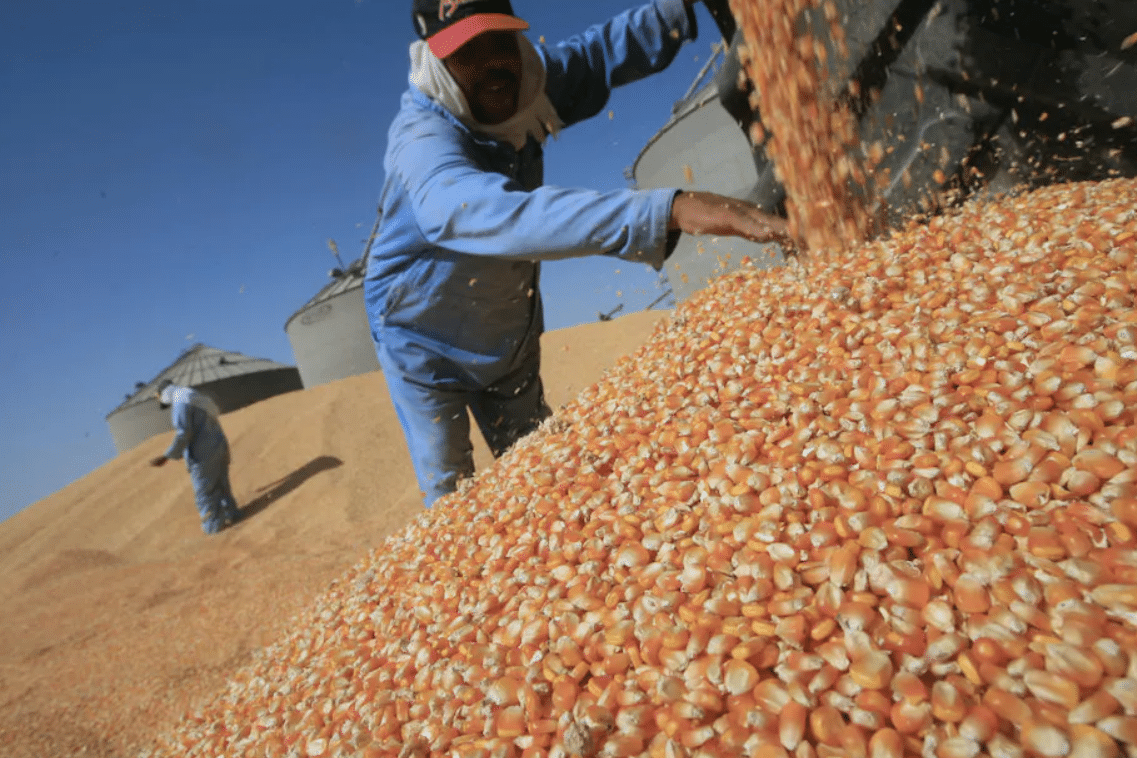
An Egyptian Worker Gathers The Crop At A Maize Field, The Country’s First Harvest Of Genetically Modified Maize In 2008. Khaled Desouki | Afp Via Getty Images

An Egyptian worker gathers the crop at a maize field, the country’s first harvest of genetically modified maize in 2008. Khaled Desouki | AFP via Getty Images

FacebookTwitterLinkedInRedditWhatsApp
Advertisement

Kenya recently lifted a ban on the cultivation and importation of genetically modified crops amid the worst drought in 40 years and soaring food prices. This includes white maize, the country’s main staple. The decision was welcomed by scientists who see GM crops as the answer for food security. But it is opposed by a spirited lobby who are concerned about potential risks to health and the environment. Benard Odhiambo Oloo, who is a food safety and quality expert, provides insights into the debate. 

What are GMOs?

Genetically modified organisms (GMOs) refer to plants, microbes or animals that have had their genetic make-up altered through the introduction of a select gene from another unrelated species. For crops this is usually for the purpose of conferring a desired characteristic such as increased yield, insect tolerance or drought resistance, among others.

Genetic engineering refers to the science involved in the selection of desired genes responsible for specific traits from a species and transferring them into the genes of another organism, thus modifying the second species’ genetic makeup.

Humans have been improving the quality of domesticated crops for thousands of years. But this has mostly been through conventional breeding, where important traits are encouraged, selected and passed down from one generation to the next.

Conventional breeding would typically take 10-15 years. The turnaround for genetic engineering is usually less than five years. But, due to the strict regulations on commercialization, most GM crops have been in the pipeline for decades, especially in Africa. 

ADVERTISEMENT

How prevalent is their cultivation in Africa?

The approval and cultivation of GMOs in Africa has been slow.

Only a few countries have allowed their commercialization. South Africa has been a leader in adoption of GMO crops in Africa and has had experience spanning over a decade. The number of countries in Africa where GM crops are cultivated has grown from three in 2016 to 10 by 2022.

These 10 countries have commercialized different types of GMO crops.

Apart from South Africa, Egypt, Sudan, Ethiopia, Burkina Faso, Malawi, Nigeria, Ghana and eSwatini have allowed the planting of GMO seeds. A number of other countries are at different stages of development and commercialization of a number of GMOs.

Also Read: Government to Supply Pesticides to Farmers in Armyworms-Infested Counties

ADVERTISEMENT

The leading GMO crops under consideration across different countries (Kenya, Malawi, Uganda, Nigeria, Ghana and others) are GM cotton (tolerant to African bollworm), GM cassava (resistant to cassava brown streak disease) and GM maize (resistant to stem borer) among many more.

This year Ghana approved the release of pod borer resistant cowpea, thus joining the growing list of African countries to commercialize GM crops. This is the first genetically modified crop to be approved in the country.

In December 2019 the Kenyan government gave the nod for the commercialization of GMO cotton. After more than two seasons of growing GM cotton, Kenyan farmers have expressed satisfaction with the good yield from Bt cotton in spite of the drought conditions in the last few seasons.

Elsewhere in Africa, farmers have also reported significant reduction in the cost of production through reduced spraying for control of insect pests and diseases. Controlling African bollworm, for example, was costly and the pest caused losses in cotton farming.

This list is expected to keep growing even though in most African countries the cultivation of GMOs has experienced protracted delays through regulatory, political, and social blockades. 

Why did Kenya ban GMOs? What has changed?

Kenya banned GM crops in 2012. The ministerial statement on the ban was largely informed by a 2012 scientific report dubbed the Séralini study that associated GMOs with cancer in rats.

Anti-GMO activists have often referred to that report and in addition presented the unknown impact of the modifications as the main reason for pushing for bans. The other issues range from fears about the effect of GMO, the mixed signals from EU about health and safety of GM foods, and the potential risk of GMOs to the environment and biodiversity.

The activists also cite the fear of possible effects of GMOs on non-target organisms and potential development of resistance to insect-pests by the GM crops. Lastly, food safety fears of GMOs remain pertinent in some parts of the continent.

The Kenyan government’s change of stance was underpinned by a number of developments. First of which was the report by a task force on genetically modified foods that resulted in proper scientific regulation and presence of a strong regulatory framework.

Another factor is the lingering drought in which over 4 million Kenyans currently face food insecurity. This may have led the government to consider more radical solutions despite opposition.

The government has decided to review each application for introduction of GMOs on a case-by-case basis. 

What could go wrong? And what mitigation plans are there?

There are three main concerns about what could go wrong with GMOs. These are unintended harmful effects, food safety, environmental safety and social attitudes, including fears that GMOs are a case of “man playing God”.

There is also the concern of unintended harmful effects of GMOs on the environment. In anticipation of these risks, scientists working in the field of GMO have created a raft of regulations. These regulations aim to evaluate whether GMOs are just as safe to humans and the environment as their conventional counterparts before they can be accepted for commercialization.

Food safety: Food safety studies including tests of allergenicity (the ability of an antigen to induce an abnormal immune response) are a mandatory requirement for commercialization of GMOs. Countries have also instituted biosafety authorities with a mandate to regulate the development and commercialization of GMOs.

Environmental safety: An international agreement provides a framework for handling, transport and use of GMOs. It provides a clear roadmap for evaluation of the impact of GMOs on the environment. It has instituted the practice of post release monitoring and evaluation for 10 years or more after the release of a GM crop.

The potential development of weeds that can resist one or more specific herbicides – so-called super weeds – is a case in point. Herbicide tolerance has helped farmers to control weeds and significantly reduce the cost of GM crop production. This is because crops can be genetically modified to confer resistance to common herbicides, such as glyphosate.

There is a chance however that farmers can over-rely on this technique of weed control to the detriment of the weeds developing resistance.

The potential for such resistance must be closely monitored. In Kenya, it would fall upon county governments through the extension officers to report any early cases – and to take action – if there are any potential signs of resistance. The aim should be to use multiple approaches to weeds and pest control, also referred to as integrated pest managements systems.

Socio-cultural aspects: The government must make every effort to address people’s concerns about GMOs. This includes pointing out that humans have modified crops for thousands of years. GM foods have now been grown and consumed for over 20 years in different countries.

There is so far no scientific evidence to confirm any of the fears. GM crops have been evaluated to be just as safe for human consumption and to the environment as conventional crops.The Conversation

Benard Odhiambo Oloo, Lecturer of Food Science and Technology, Department of Dairy and Food Science and Technology., Egerton University

This article is republished from The Conversation under a Creative Commons license. Read the original article.

Tags: Africa Food SecurityAgriculture InnovationBiosafetyGenetic EngineeringGenetically Modified CropsGenetically Modified OrganismsKenyaScienceWilliam Ruto
Benard Odhiambo Oloo

Benard Odhiambo Oloo

Dr Benard Oloo is a Food Safety and Quality Expert, a team Leader, Lecturer of Food Science, Trainer, Life Coach and Author. Mr. Oloo is a Lecturer of Food science and Technology at Egerton University focusing on food safety of different commodity value chains in Kenya. He holds an MSc. Food Science and Technology from Egerton and successfully defended his PhD in March 2021 from the same University awaiting conferment. Previously, he has worked in the Food Industry both as a production supervisor, production manager and quality assurance manager. He is currently in charge of the Guildford Dairy Institute at Egerton University where he is serving as a Food Safety Team Leader implementing ISO 22,000:2005, Food Safety Management System. Mr. Oloo’s research include new product development, value addition, quality and safety. Some of the specific commodities he has worked with include fruits and vegetables, milk and milk products, potatoes, sweet potatoes, meat and meat products safety and quality and indigenous chicken quality and safety. He has earned several international awards including: Borlaug Fellowship (Michigan State University USA 2019), Emerging Leaders Network Award by Institute of Food Technology (IFT), USA 2018, PhD student exchange programme (Durban University of Technology, South Africa) and the African Biosciences Challenge Fund, 2017-2018 at ILRI, Kenya.

Related Posts

Moe Has Vowed To Take Action Against Utumishi Girls School Principal Over School Fire That Killed 16 Learners.

Opinion | How Kenya Failed the Girls of Utumishi Academy

June 2, 2026
Is Kenya Losing Its Morals? Rising Deviant Behavior And Rampant Crime

Opinion | The Mother Who Hates Her Own Children: Kenya’s Moral Collapse

June 2, 2026
Treasury Invites Applications For Board Recruitment Across 39 State-Owned Enterprises

Opinion | How New Taxes on Bank Card Transactions Charges Will Raise the Costs for Ordinary Kenyans if Adopted by Parliament

June 1, 2026
The Kenya National Examinations Council (Knec) Has Announced The Dates For The 2026/2027 Business And Technical Examination.

Opinion | AI Mistakes That Could Destroy Kenya’s Future — Global Lessons Every Leader, Business and Citizen Must See Now

May 31, 2026
ADVERTISEMENT

The Kenya Times Facebook

LATEST ARTICLES

  • Did Harambee Stars Reject Hotel in South Africa Ahead of Lesotho Friendlies?
  • Botswana Tanker Blasted as U.S. Fires Hellfire Into Empty Ship Heading to Iran’s Kharg Island
  • Trump’s DOJ Scraps $1.776B Anti-weaponization Fund
  • CBS News Pays $2.5 Million to Inexperienced Producer to Lead 60 Minutes
  • Neto Agostinho Profile: Educational Background, Career, Political Journey and Net Worth
  • Trump Admin Says There Are Many Places to Send Americans After Kenya Blocks Ebola Facility
  • Jill Biden Reveals What “Could Have Killed” Biden While He Was in Office
  • Trump Admits: ‘No One Knows Where the Iran Conversations Lead’
  • Trump AG Todd Blanche Says Trump Would Have Gone to Prison if He Lost 2024 Election
  • Raila Odinga Junior Unveils His Late Father’s Restored Hummer
  • COFEK Turns Up Pressure on Commission in Bid to Remove Education PS Julius Bitok
  • UoN the Only Kenyan University Ranked Among the World’s Top 2,000 Universities
  • Details of US Travel Advisory to Its Citizens Amid Controversy Over Ebola
  • Marco Rubio Confesses Secret on Iran Talks as He Hints at Rare Breakthrough
  • From Seminary Expulsion to the Cabinet: The Story of Rt. Major General Kahinda Otafiire
ADVERTISEMENT

Company

About Us

Our Authors

Our Experts

Social Media

Policies

Privacy Policy

House Rules

Standards and Policies

Terms and Conditions

Subscription

My Account

Contact Us

Contact Us

Join Our Team

Advertise With Us

© Copyright 2026 | The Kenya Times | All Rights Reserved

Welcome Back!

Sign In with Facebook
Sign In with Google
Sign In with Linked In
OR

Login to your account below

Forgotten Password? Sign Up

Create New Account!

Sign Up with Facebook
Sign Up with Google
Sign Up with Linked In
OR

Fill the forms below to register

All fields are required. Log In

Retrieve your password

Please enter your username or email address to reset your password.

Log In
Your Privacy and Cookies
We use cookies on our website to give you the most relevant experience by remembering your preferences and repeat visits. By clicking “Accept”, you consent to the use of ALL the cookies.
Do not sell my personal information.
Cookie settingsACCEPT
Privacy & Cookies Policy

Privacy Overview

This website uses cookies to improve your experience while you navigate through the website. Out of these cookies, the cookies that are categorized as necessary are stored on your browser as they are essential for the working of basic functionalities of the website. We also use third-party cookies that help us analyze and understand how you use this website. These cookies will be stored in your browser only with your consent. You also have the option to opt-out of these cookies. But opting out of some of these cookies may have an effect on your browsing experience.
Necessary
Always Enabled
Necessary cookies are absolutely essential for the website to function properly. This category only includes cookies that ensures basic functionalities and security features of the website. These cookies do not store any personal information.
Functional
Functional cookies help to perform certain functionalities like sharing the content of the website on social media platforms, collect feedbacks, and other third-party features.
Performance
Performance cookies are used to understand and analyze the key performance indexes of the website which helps in delivering a better user experience for the visitors.
Analytics
Analytical cookies are used to understand how visitors interact with the website. These cookies help provide information on metrics the number of visitors, bounce rate, traffic source, etc.
Advertisement
Advertisement cookies are used to provide visitors with relevant ads and marketing campaigns. These cookies track visitors across websites and collect information to provide customized ads.
Others
Other uncategorized cookies are those that are being analyzed and have not been classified into a category as yet.
SAVE & ACCEPT
LOGIN | REGISTER
  • Login
  • Sign Up
  • Cart
No Result
View All Result
  • News
    • Latest News
    • Breaking News
    • Investigations
    • Explainers
    • Fact Check
  • Politics
    • Global Politics
    • Conflicts & Security
    • Elections
    • Diplomacy
    • Government & Policy
    • Political Analysis
  • Business
    • Global Economy
    • Markets
    • Technology
    • Startups
    • Energy
    • Finance
  • World News
    • Americas
    • Asia
    • Asia Pacific
    • Africa
    • Europe
    • Middle East
  • Africa
    • East Africa
    • West Africa
    • Southern Africa
    • Central Africa
  • Health
    • Global Health
    • Public Health
    • Health Policy
    • Medical Research
    • Diseases & Conditions
    • Mental Health
    • Nutrition
    • Climate & Health
    • Health Explainers
  • Sports
    • Athletics
    • Basketball
    • Boxing
    • Cricket
    • Football
    • Formula 1
    • Golf
    • Rugby
  • Weather
    • Climate Business
    • Climate Change
    • Climate Solutions
    • Living Green
  • Culture
    • Arts
    • Film & TV
    • Food
    • Lifestyle
    • Music
    • Travel
  • Opinion
    • Editorials
    • Letters
  • Behind The Brand
  • Contact Us

Not enough quota to unlock this post
Unlock left : 0
Are you sure want to cancel subscription?